Sodium tetraborate decahydrate CAS:1303-96-4
Sodium tetraborate decahydrate CAS:1303-96-4
Sodium tetraborate decahydrate also known as Borax, sodium borate, sodium tetraborate, or disodium tetraborate is a naturally occurring compound.
It is mostly used as a cleaning aid especially for laundry (softening the water). As a cleaning aid, borax is also used as dishwasher detergent, as floor and wall cleaner, and to clean outdoor furniture, toilet, porcelain sinks, stains from stainless steel. Borax can be used for parasite control to keep ants, water bugs, and cockroaches away and help dogs with mange and people with a variety of parasite problems including lice and mites. Due to its alkalinity and antifungal properties, Borax is used in hair care products to heal chronic and embarrassing scalp conditions. Borax is also used as a remedy for health problems (arthritis, osteoporosis, bone spurs, calcium deposits, lupus, autoimmune disease, hormone imbalances, fungus, candida, ringworm, tinea versicolor, insomnia, rough skin). Furthermore, Borax is applied as a fire retardant, as a flux in metallurgy, as a precursor for other boron compounds, as anti-fungal compound for fiberglass and cellulose insulation, to make buffer solutions in biochemistry, and to make indelible ink for dip pens by dissolving shellac into heated borax.
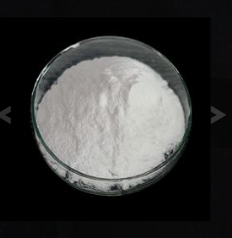
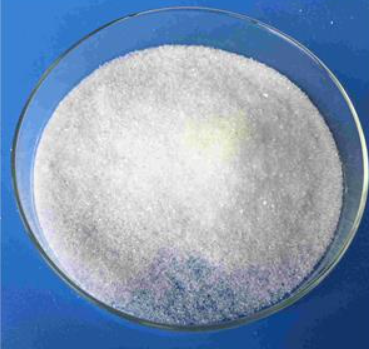
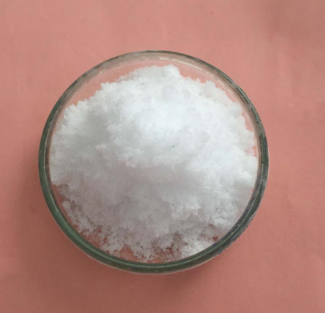
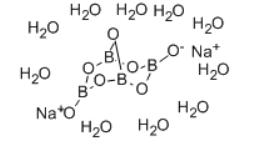
Borax is an inorganic compound with the chemical formula Na2B4O7·10H2O and a molecular weight of 381.372. It appears as white or colorless crystals or powder and has a slightly sweet and salty taste. When exposed to air, it readily loses its water of crystallization, weathering into a white powder. Borax has a wide range of applications in industrial and agricultural production. For instance, it is used in laundry detergents and soaps as a filler and to enhance surfactant performance (through cross-linking). In glass manufacturing, it increases ultraviolet light transmission, improves transparency, and enhances heat resistance. When added to enamel products, it ensures the enamel adheres firmly—making it less prone to peeling—and increases its luster. It is also extensively used in the production of fiberglass, the welding of non-ferrous metals, the bonding of jewelry, the preservation of cosmetics, the formulation of pesticides and fertilizers, the creation of antifreeze agents, and as a medical disinfectant. In agriculture, it serves as a non-selective herbicide for use in non-cultivated areas. In medicine, borax is used to treat conditions affecting the skin and mucous membranes, such as certain types of athlete's foot and various inflammatory issues. Due to its high toxicity, borax is banned as a food additive in many countries worldwide. Excessive intake of boron by humans can lead to cumulative poisoning, affecting multiple organs.
Applicaion of Sodium tetraborate decahydrate
Sodium Tetraborate Decahydrate is used as a buffer in antigetn-retrieval procedure for bromodeoxyuridine immunolabeling with concurrent labeling of nuclear DNA and antigens damaged by hydrochloric acid pretreatment.
A natural, colorless salt crystal found in some lake beds. It is soluble in water and glycerin but not in alcohol. When mixed with water, it produces a slight alkaline reaction. Its use in photography was principally as a pH modifier in gold toning baths, but it was also used as a restrainer in pyrogallic acid developers and as an accelerator in hydroquinone developers.Soldering metals; manufacture of glazes and enamels; tanning; in the production of adhesives and in anticorrosion systems; in cleaning Compounds; artificially aging wood; as preservative, either alone or with other antiseptics against wood fungus; fireproofing fabrics and wood; curing and preserving skins; in cockroach control. Pharmaceutic aid (alkalizer).
In the medical field, trace amounts of boron are considered beneficial to the human body—for instance, by helping to prevent osteoporosis and promoting calcium metabolism. However, high intake levels can lead to toxicity; continuous consumption results in accumulation within various internal organs. Mild cases may manifest as loss of appetite or indigestion, while severe cases can lead to symptoms such as vomiting, diarrhea, erythema, circulatory system dysfunction, shock, and even coma. For adults, the toxic dose of borax is 1–3 grams, the lethal dose is 15–20 grams, and for infants, the lethal dose is 2–3 grams. In accordance with China’s *Food Safety Law* and the *List of Non-Food Substances Illegally Added to Food and Food Additives Prone to Misuse (First Batch)*—issued by the Ministry of Health in December 2008—the addition of boric acid or borax to food is strictly prohibited.
Antibacterial Activity
Reports indicate that borax, being a weak base, possesses a mild antibacterial effect, similar to that of boric acid. In plate-based assays, a culture medium containing 10% borax was shown to inhibit the growth of *Escherichia coli*, *Pseudomonas aeruginosa*, *Bacillus anthracis*, *Shigella flexneri*, *Shigella dysenteriae*, *Salmonella typhi*, *Salmonella paratyphi*, *Proteus* species, *Staphylococcus* species, and *Candida albicans*. Furthermore, disk-diffusion assays have demonstrated that borax also inhibits *Corynebacterium diphtheriae*, *Brucella abortus*, *Streptococcus pneumoniae*, *Neisseria meningitidis*, and hemolytic *Streptococcus* species.Anticonvulsant and Antiepileptic Effects
Experimental studies have demonstrated that oral administration of 130 mg/kg to 260 mg/kg of borax in mice exerts an anticonvulsant effect. This effect gradually intensifies with repeated dosing, reaching its peak approximately one week after the commencement of treatment. Parenteral administration can accelerate the onset of this anticonvulsant action. An intraperitoneal dose of 260 mg/kg provides 100% protection against electrically induced convulsions. When used in conjunction with other antiepileptic drugs, borax can rapidly control grand mal seizures and status epilepticus.
Other Effects
Borax also possesses antiseptic properties and serves to protect the skin and mucous membranes. Clinically, it can be used to irrigate ulcers and abscesses, and is particularly effective for treating inflamed mucous membranes—such as in cases of conjunctivitis or gastritis—as its alkaline nature helps to cleanse the mucosa of debris. When administered orally, it acts as a urinary antiseptic; specifically, it can shift the pH of acidic urine toward an alkaline state.
Glass and Enamel Industry
In the glass industry, it enhances ultraviolet light transmission and improves both the transparency and heat resistance of glass. In enamel products, it helps prevent the enamel coating from peeling off and imparts a glossy finish. It also has a wide range of applications in the production of specialty optical glass and fiberglass; as a flux for non-ferrous metal welding; as an adhesive for jewelry; and in processes such as textile printing and dyeing, laundering (for silk and wool fabrics, etc.), gold refining, and the manufacture of cosmetics, pesticides, fertilizers, borax-based soaps, preservatives, antifreeze agents, and medical disinfectants.
Industrial Sector
In industrial applications, borax serves as a solid lubricant for metal wire drawing. During the welding and repair of refrigeration equipment—such as refrigerators, freezers, and air conditioners—it is frequently used as a (non-active) flux to remove oxides from metal surfaces. By adding specific proportions of compounds such as sodium chloride, sodium fluoride, or potassium chloride, borax can be converted into an active flux, which is then used for welding copper pipes to steel pipes, or steel pipes to one another, within refrigeration systems.
| Sodium tetraborate decahydrate Chemical Properties |
| Melting point | 75 °C |
| Boiling point | 320°C |
| density | 1.73 g/mL at 25 °C(lit.) |
| bulk density | 750kg/m3 |
| vapor pressure | 0.213 hPa (20 °C) |
| storage temp. | 2-8°C |
| solubility | H2O: 0.1 M at 20 °C, clear, colorless |
| form | Powder/Solid |
| Specific Gravity | 1.73 |
| color | White, gray, bluish or greenish white |
| PH | 9.21(1 mM solution);9.17(10 mM solution);9.05(100 mM solution); |
| Odor | Odorless |
| PH Range | 9.2 |
| Flame Color | Orange |
| Water Solubility | 60 g/L (20 ºC) |
| λmax | λ: 260 nm Amax: 0.012 λ: 280 nm Amax: 0.010 |
| Merck | 14,8590 |
| Exposure limits | ACGIH: TWA 2 mg/m3; STEL 6 mg/m3 NIOSH: TWA 5 mg/m3 |
| Cosmetics Ingredients Functions | BUFFERING |
| InChI | 1S/B4O7.2Na.10H2O/c5-1-7-3-9-2(6)10-4(8-1)11-3;;;;;;;;;;;;/h;;;10*1H2/q-2;2*+1;;;;;;;;;; |
| InChIKey | CDMADVZSLOHIFP-UHFFFAOYSA-N |
| SMILES | O.O.O.O.O.O.O.O.O.O.[Na+].[Na+].[O-]B1Ob2ob([O-])ob(O1)o2 |
| CAS DataBase Reference | 1303-96-4 |
| EPA Substance Registry System | Borax (1303-96-4) |
| Safety Information |
| Hazard Codes | Xn,T |
| Risk Statements | 62-61-60 |
| Safety Statements | 22-24/25-36/37-45-53 |
| RIDADR | UN 1458 |
| OEB | B |
| OEL | TWA: 5 mg/m3 |
| WGK Germany | 1 |
| RTECS | VZ2275000 |
| TSCA | TSCA listed |
| HS Code | 28401990 |
| Storage Class | 6.1D - Non-combustible acute toxic Cat.3 toxic hazardous materials or hazardous materials causing chronic effects |
| Hazard Classifications | Eye Irrit. 2 Repr. 1B |
| Hazardous Substances Data | 1303-96-4(Hazardous Substances Data) |
| Toxicity | LD50 orally in rats: 5.66 g/kg (Smyth) |
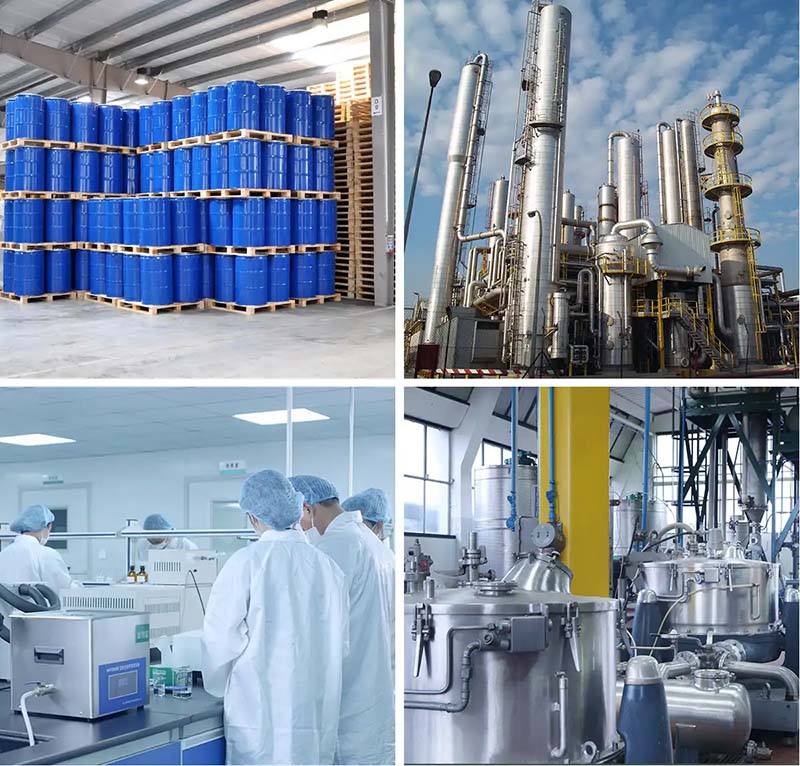
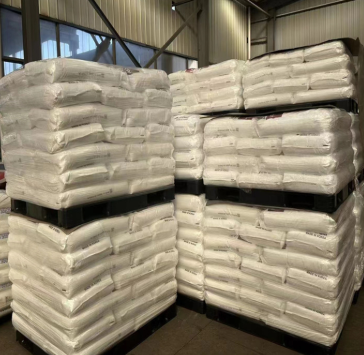
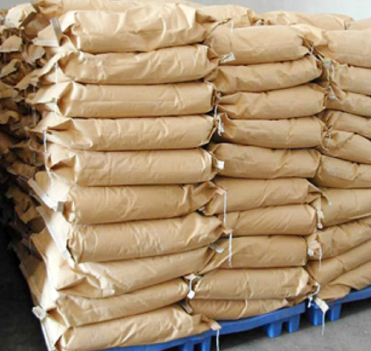
Fact Factory and Equipment Show