DOLOMITE #CAS:16389-88-1
CAS Number:16389-88-1
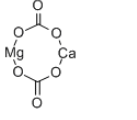
Chemical Formula:C2CaMgO6
Synonyms:
MAGNESIUM CALCIUM CARBONATE
DOLOMITE
Calciummagnesiumcarbonate,light
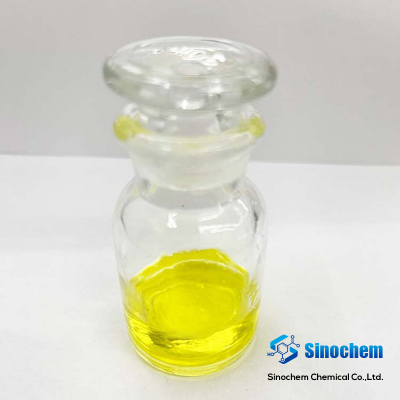
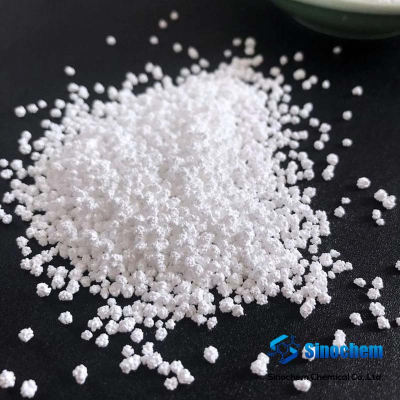
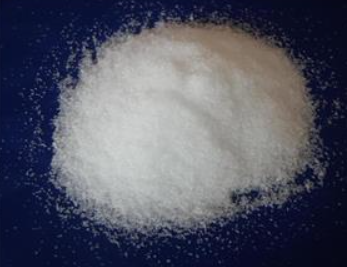
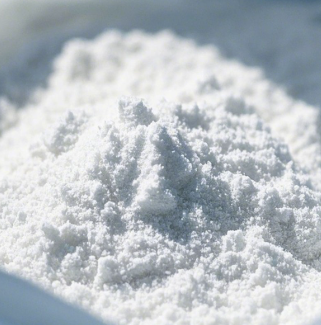
Appearance:White
MOQ (Minimum Order Quantity): 1 FCL (Full Container Load)
DOLOMITE #CAS:16389-88-1
Dolomite is a massive calcareous sedimentary rock made of the mineral dolomite [CaMg(CO3)2, rhombohedral]. Usually dolomite as a rock contains, apart from dolomite, other carbonates (e.g., calcite, magnesite, and siderite), along with some silica and alumina, mostly as clays. For commercial purposes, the mass fraction of combined impurities must be below 7 wt.%, above which it becomes unsuitable for industrial use and is then used only for road ballasts and building stones. When the percentage of calcium carbonate (CaCO3) is above 10 wt.% or more over the theoretical composition, the rock is termed calcitic dolomite, while with a departure from theoretical magnesite content the rock is called dolomitic limestone. With variations in MgCO3 between 5 and 10 wt.%, it is called magnesian limestone, and when it contains up to 5 wt.% MgCO3 or less it is considered limestone for all purposes.
Application of DOLOMITE
Pure dolomite, without calcining, is chiefly used as refractory, ramming, and felting material in steel-melting shops and as fluxing material in blast-furnace operations in secondary steel and in the production of ferromanganese. Moreover, the magnesia in dolomite acts as desulfurizating agent in molten iron metal. Generally, two grades of dolomite are used, one is called blast furnace grade and the other steel melting shop grade. Dolomite is also used to a lesser extent in the glass industry, especially in sheetglass manufacture. It also finds use in the manufacture of mineral wool. Dolomite is also a useful source for the production of magnesite by reacting calcined dolomite with seawater.
Dolomite is the carbonate mineral CaMg(CO3)2,often with small amounts of iron, manganese,or excess calcium, which replace some of themagnesium; cobalt, zinc, lead, and barium aremore rarely found.
Dolomite is a very common mineral, occurringin a variety of geologic settings. It is oftenfound in ultrabasic igneous rocks, notably incarbonates and serpentinites, in metamorphosedcarbonate sediments, where it may recrystallize to form dolomite marbles, and inhydrothermal veins. The primary occurrence ofdolomite is in sedimentary deposits, where itconstitutes the major component of dolomiterock and is often present in limestones.
Dolomite is normally white or colorlesswith a specific gravity of 2.9 and a hardness of3.5-4 on Mohs scale.
| DOLOMITE Chemical Properties |
| density | 2.07 g/cm3 |
| color | White |
| Dielectric constant | 6.8-8.0(0.0℃) |
| Cosmetics Ingredients Functions | ABRASIVE OPACIFYING |
| Hardness, Mohs | 3.5 - 4.0 |
| Modulus of Elasticity | 40.0 - 84.0 GPa |
| EPA Substance Registry System | Dolomite (CaMg(CO3)2) (16389-88-1) |
| Safety Information |
| TSCA | TSCA listed |
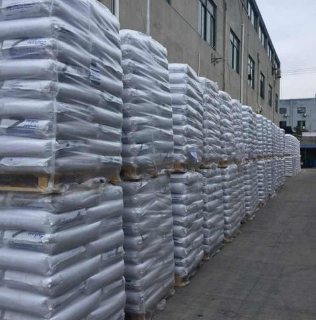
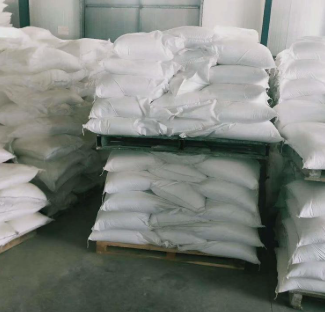
Fact Factory and Equipment Show