
Fulvic acid #CAS:479-66-3
Fulvic acid #CAS:479-66-3
Fulvic acids refer to collectively of a set of organic acids, natural compounds, and components of the humus [which is a fraction of soil organic matter]. They share similar structure with humic acids, with differences being the carbon and oxygen contents, acidity, and degree of polymerization, molecular weight, and color. Fulvic acid remains in solution after removal of humic acid from humin by acidification[3, 4]. Humic and fulvic acids are mainly produced by biodegradation of lignin containing plant organic matter. They are not single acids but rather a complex mixture of many different acids containing functional groups that will react as a dibasic acid [2 replaceable hydrogen atoms like H2SO4] or as a tribasic acid [3 replaceable hydrogen atoms like H3PO4]
Humic Acid and Fulvic Acid represent organic compounds having bio-stimulant role. They are both used to improve nutrient absorption and they are largely used in the supplement industry in different forms. They attach to organic molecules or mineral ions and they hold firmly not to be dissolved in soil but loosely for plants to use them as needed
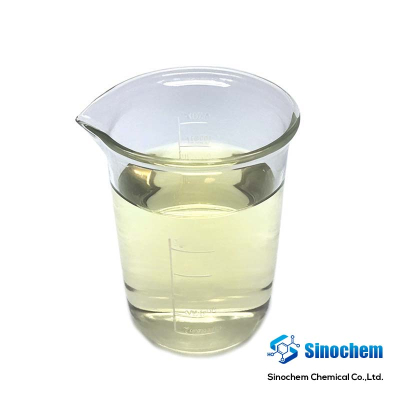
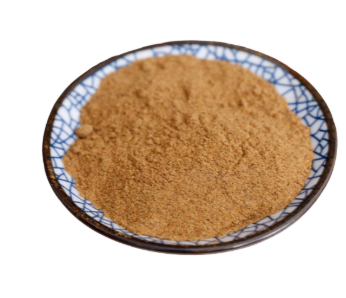
Fulvic acid (FA) is a type of organic substance within the humic acid category, widely distributed in soil, water bodies, and sediments. It typically appears as a brown-black or brownish-tan substance; in its pure form, it is generally a solid powder. It is soluble in acids, bases, ethanol, and water. Based on differences in solubility, fulvic acid—along with humic acid (often referred to specifically as "black humic acid") and brown humic acid—constitutes one of the three major classes of humic substances.
Fulvic acid is characterized by a relatively low molecular weight, a lower carbon content, and a higher oxygen content. It contains an abundance of acidic functional groups—such as carboxyl, phenolic hydroxyl, and ketonic carbonyl groups—which impart significant acidity to its aqueous solutions. While its precise molecular structure has not been fully elucidated, it is hypothesized to be a complex, multi-functional compound capable of forming complexes with metal ions (e.g., calcium, magnesium, iron) and various organic substances, thereby influencing the migration and transformation of materials within the environment. In soil ecosystems, fulvic acid acts as an organic colloid that contributes to the formation of soil aggregates; it also facilitates the uptake of nutrients by plants by activating trace elements through its carboxyl groups. Its polysaccharide or polypeptide components are more readily decomposed by microorganisms, distinguishing its functional role from that of other humic substances, such as humic acid. During the process of podzolization (ash-soil formation), fulvic acid—acting as a strong organic acid—plays a primary role in driving mineral decomposition and the migration of elements.
Applicaion of Fulvic acid
Fulvic acids as plant biostimulants are mainly produced by biodegradation of lignin containing plant organic matter[14]. Fulvic acids that are always in solution, especially at the pH of productive agricultural soils, also contribute towards cation exchange capacity of the soil[14, 15]. Due to the solubility of fulvic acids in water and the fact that it can be easily leached out, it is usually only present in very low concentrations[0.2-1% w/v] in leonardite, peat, and compost etc, sources. Therefore some companies will dry fulvic acids to a powder[14]. Fulvic acid as an organic fertilizer, is a non-toxic mineral-chelating additive and water binder that maximizes uptake through leaves and stimulates plant productivity[14]. It attracts water molecules, helping the soil to remain moist and aiding the movement of nutrients into plant roots. Fulvic acid easily binds or chelates minerals such as iron, calcium, copper, zinc and magnesium, as it can deliver these elements to plant directly[15]. Lotfi et al.[2015][16] were studied the physiological responses of Brassica napus subjected to fulvic acid application under water stress and found that application of fulvic acid improved the maximum quantum efficiency of PSII[Fv/Fm] and performance index[PI] of plants under both well-watered and limited-water conditions. In various studies, other effects of fulvic acid application were reported such as: enhanced root activity, increase in ion uptake, high rate of transport of phosphorus to the grains[17], increasing the number and length of root hairs of Arabidopsis plants[18, 19], ameliorative growth of rice and radish and higher plant height[20], limiting the development of some pathogens, e.g. Fusarium spp[21], promote plant growth and increase marketable yield in tomato production[22], improved plant growth and yield quantity and quality as well as controlling powdery and downy mildews of cucumber plants and enhanced the activity of soil microorganism[23], enhanced effectively the physiological activities and yield production of tomato plants, as antitranspirants via conserving soil water and thereby reduce the applied water by 25% of irrigation water[24], improve the white rot disease resistance of grape, the quality of berry fruit and more absorption of calcium by grape[25], enhanced potassium levels in leaves of tobacco[26]. Also Yang et al.[2013][27] have demonstrated that fulvic acid is optimum choice for the improvement of P availability and soil physicochemical conditions. Xudan[1987][17] has demonstrated that spraying with fulvic acid can decrease the water stress or the stress imposed by hot, dry winds during ear development and it can increase the grain yield by 7.3-18.0%[17]. Anjum et al.[2011][28] have reported that fulvic acid increased chlorophyll and water content of leaves. It also increased photosynthesis, reduced stomata opening status and transpirations, thus led to growth stimulation and water-loss reduction[29]. Also they have found that fulvic acid and humic acid have been used to regulate the plant growth under well watered and drought conditions. Furthermore, fulvic acid as metabolic anti-transpirations is an organic acid, nontoxic, and not expensive and did not cause pollution problems as a result of extensive use[30].
Powerful Organic Electrolytes
Fulvic acid is an organic natural electrolyte that can balance and energize biological properties it comes into contact with[31]. An electrolyte is a substance that is soluble in water or other appropriate medium that is capable of conducting electrical current[32]. The power of an electrolyte has been shown in repeated tests on animal cells[giant amoebae], to be able to restore life in what researchers termed “a beautiful demonstration” and “astonishing.” When the electrolyte potential was taken away during the test, the cell ruptured and disintegrated into the surrounding fluid causing death. Upon reintroducing electrical potential the cell reconstructed and became active and healthy[33]! Fulvic acid has proven to be a powerful organic electrolyte, serving to balance cell life. If the individual cell is restored to its normal chemical balance and thereby in turn its electrical potential, we have given life where death and disintegration would normally occur within plant and animal cells[34]. Fulvic acid has the outstanding ability to accomplish this objective in numerous ways[35].
Promotes Electrochemical Balance as Donor or Receptor
Fulvic acid is available at times as an electron donor and at other times as an electron acceptor, based on the cell’s requirements for balance[36]. One of the reactions that occurs is an oxidation reaction in which the chemical species loses electrons as a donor. The other reaction is a reduction in which the active species gains electrons as an acceptor[37]. A recent study of the binding of a donor molecule to Fulvic acid in solution revealed direct evidence for donor-acceptor charge transfer mechanisms[38]. Trace minerals in the Fulvic acid electrolyte could also be beneficial in this process by serving as electrodes[39].
Complexes & Dissolves Minerals & Trace Elements[40]
Fulvic acid is especially active in dissolving minerals and metals when in solution with water. The metallic minerals simply dissolve into ionic form, and disappear into the Fulvic structure becoming bio-chemically reactive and mobile. The Fulvic acid actually transforms these minerals and metals into elaborate Fulvic acid molecular complexes that have vastly different characteristics from their previous metallic mineral form. Fulvic acid is nature’s way of “chelating” metallic minerals, turning them into readily absorbable bio-available forms. Fulvic acid also has the unique ability to weather and dissolve silica that it comes into contact with.
Promote assimilation and metabolism
Fulvic acid metal organic complexes are of a low molecular weight, and because of this they are also of low molecular size, and are capable of a high degree of penetration into cells. Fulvic acid complexes and chelates are able to readily pass through semi permeable membranes such as cell walls. Yet it is important to note that it has also been determined that Fulvic acids not only have the ability to transport nutrients through cell membranes, they also have the ability to sensitize cell membranes and various physiological functions as well. Fulvic acid appears to cause the genetic mechanism of plants to function at a higher level. It has been concluded that any means by which plant cells are exposed to Fulvic acid can improve growth.41 Oxygen is absorbed more intensely in the presence of Fulvic acids.42 Fulvic acid aids in penetrating roots and then quickly transports to the shoots of plants.43 Fulvic acid relieves oxygen deficiency and increases the vital activity of cells. Fulvic acids change the pattern of the metabolism of carbohydrates, resulting in an accumulation of soluble sugars. These soluble sugars increase the pressure of osmosis inside the cell wall and enable plants to withstand wilting. Fulvic acid enhances growth and may stimulate the immune system.44
Detoxifies Pollutants[44, 45]
An important aspect of humic substances is related to their sorptive interaction with environmental chemicals, either before or after they reach concentrations toxic to living organisms. The toxic herbicide known as Paraquat is rapidly detoxified by humic substances[Fulvic acids]. Fulvic acids have a special function with respect to the demise of organic compounds applied to soil as pesticides. It has been established that Fulvic acid is vital in helping to form new species of metal ions, binding with organic pollutants such as pesticides and herbicides, and catalyzing the breakdown of toxic pollutants. Radioactive substances react rapidly with Fulvic acid, and only a brief time is required for equilibrium to be reached. All radioactive elements are capable of reacting with Fulvic acid and thus forming organo metal complexes of different adsorptive stability and solubility.
Transports Nutrients[46, 47]
Fulvic acid readily complexes with minerals and metals making them available to plant roots and easily absorbable through cell walls. It makes minerals such as iron, which are not usually very mobile, easily transported through plant structures. Fulvic acids also dissolve and transport vitamins, coenzymes, auxins, hormones, and natural antibiotics that are generally found throughout the soil, making them available. These substances are effective in stimulating even more vigorous and healthy growth. These substances are produced by certain bacteria, fungi, and actinomycetes in decomposing vegetation in the oil. It has been determined that all known vitamins can be present in healthy soil. Plants manufacture many of their own vitamins, yet these from the soil further supplement the plant. Upon ingestion these nutrients are easily absorbed by animals and humans, due to the fact that they are in the perfect natural plant form as nature intends. Fulvic acid can often transport many times its weight in dissolved minerals and elements.
| Fulvic acid Chemical Properties |
| Melting point | 246 °C (decomp) |
| Boiling point | 661.0±55.0 °C(Predicted) |
| density | 1.79±0.1 g/cm3(Predicted) |
| storage temp. | Store at -20°C |
| solubility | Chloroform: soluble; Methanol: soluble |
| form | A solid |
| pka | 2.18±0.40(Predicted) |
| color | Yellow |
| Cosmetics Ingredients Functions | SKIN CONDITIONING |
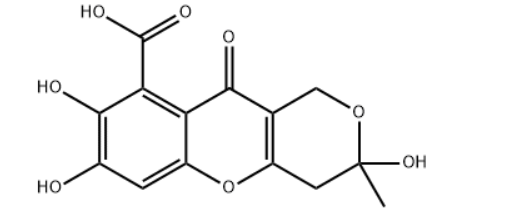
| InChI | InChI=1S/C14H12O8/c1-14(20)3-8-5(4-21-14)11(16)9-7(22-8)2-6(15)12(17)10(9)13(18)19/h2,15,17,20H,3-4H2,1H3,(H,18,19) |
| InChIKey | FCYKAQOGGFGCMD-UHFFFAOYSA-N |
| SMILES | C12CC(O)(C)OCC=1C(=O)C1=C(C(O)=O)C(O)=C(O)C=C1O2 |
| CAS DataBase Reference | 479-66-3(CAS DataBase Reference) |
| EPA Substance Registry System | Fulvic acid (479-66-3) |
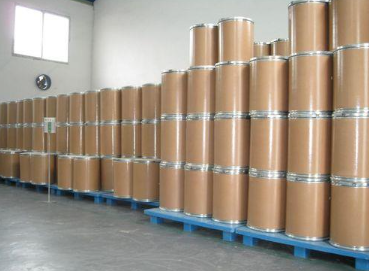
Fact Factory and Equipment Show