
Squalane #CAS111-01-3
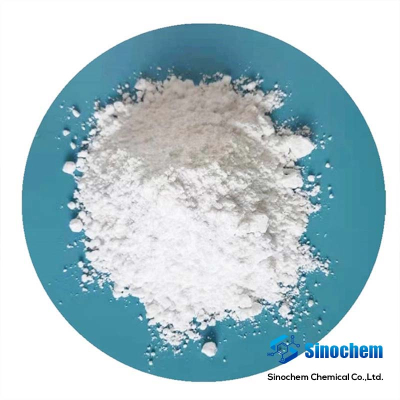
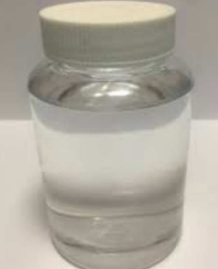
Refined squalane is a colorless, odorless, inert and transparent oily viscous liquid. Slightly soluble in methanol, ethanol, acetone and glacial acetic acid. It is miscible with benzene, chloroform, carbon tetrachloride, petroleum ether, ether, mineral oil and other animal and vegetable oils. The relative density (15 °C/ 4 ℃) 0.812, refractive index (15 ℃) 1.4530, iodine value 0 ~ 5, saponification value 0 ~ 5, acid value 0 ~ 0.2, freezing point -38 ℃, boiling point 350 ℃. It is stable in the air, but can be slowly oxidized upon the action of sunlight. Sebaceous glands can synthesize squalene. Sebum contain squalene at a content of 1% in children and up to 10% in adult; sebum contains a squalane mass fraction of about 2%. Its permeability, lubricity and breathability is better than other fats, matching well with most cosmetic raw materials.Application of Squalane
Squalane is a saturated hydrogenated derivative of squalene, a naturally occurring hydrocarbon that exists in human sebum, olive oil and certain plant oils. Its molecular structure is highly compatible with the lipid composition of human skin, giving it outstanding skin affinity and exceptional spreading property. Unlike many heavy mineral oils, it leaves a silky, non-greasy finish after application and will not form a heavy occlusive layer on the skin. When applied topically, it spreads rapidly and penetrates gently into the stratum corneum. It rebuilds the lipid matrix of the skin barrier, slows down transepidermal water loss, alleviates dryness, tightness and scaling, and softens rough, keratinized skin. It helps soothe mild irritation and redness triggered by environmental stress or irritating actives. It is non-comedogenic for the majority of people, making it suitable for sensitive skin, delicate skin and barrier-damaged skin. It is widely formulated into facial oil, moisturizing cream, nourishing lotion, repair serum, eye cream, primer, sunscreen, after-sun balm and calming mask. In compound systems, it can act as a carrier medium for fat-soluble active substances such as tocopherol, plant essential oils and liposoluble extracts, helping them disperse evenly and lowering the stimulation of high-dose functional ingredients.
In hair care applications, squalane replenishes the intercellular lipids lost from hair cuticles caused by heat styling, chemical perming, bleaching and frequent washing. It fills the gaps of damaged scales, smooths the hair surface, reduces static electricity, tangling, dry frizz and split ends. It restores softness and natural luster to brittle hair, and improves both wet and dry combing performance. It is a key ingredient in hair serum, leave-in conditioner, hair mask and hair oil.
Thanks to its mild, non-irritating features, squalane is also used in baby skincare, lip balm, cuticle oil and body massage oil. In pharmaceutical fields, it can serve as emollient, solubilizer and drug carrier for topical preparations. Compared with squalene, squalane has no unsaturated double bonds in its structure, so it shows much better oxidation resistance, and is far less prone to rancidity during long-term storage. It mixes well with triglycerides, fatty esters and almost all lipophilic cosmetic raw materials without separation. It is a premium, stable emollient widely favored in clean beauty and sensitive-care product lines.
| Squalane Chemical Properties |
| Melting point | −38 °C (−36 °F; 235 K) |
| Boiling point | 176 °C (349 °F; 449 K) at 7 Pa |
| density | 810 mg/mL |
| refractive index | 1.452 |
| Fp | 218 °C (424 °F; 491 K) |
| storage temp. | 2-8°C |
| solubility | chloroform: soluble100mg/mL, clear |
| form | liquid |
| color | Colorless |
| Water Solubility | Not miscible or difficult to mix in water. |
| Merck | 14,8767 |
| BRN | 776019 |
| Stability: | Stable. Combustible. Incompatible with strong oxidizing agents. |
| Cosmetics Ingredients Functions | HAIR CONDITIONING SKIN CONDITIONING REFATTING SKIN CONDITIONING - EMOLLIENT |
| InChI | 1S/C30H62/c1-25(2)15-11-19-29(7)23-13-21-27(5)17-9-10-18-28(6)22-14-24-30(8)20-12-16-26(3)4/h25-30H,9-24H2,1-8H3 |
| InChIKey | PRAKJMSDJKAYCZ-UHFFFAOYSA-N |
| SMILES | CC(C)CCCC(C)CCCC(C)CCCCC(C)CCCC(C)CCCC(C)C |
| LogP | 17 at 25℃ |
| CAS DataBase Reference | 111-01-3(CAS DataBase Reference) |
| NIST Chemistry Reference | Tetracosane, 2,6,10,15,19,23-hexamethyl-(111-01-3) |
| EPA Substance Registry System | Squalane (111-01-3) |
| Safety Information |
| Hazard Codes | Xi |
| Risk Statements | 36/37/38 |
| Safety Statements | 26-36 |
| WGK Germany | 3 |
| RTECS | XB6070000 |
| TSCA | TSCA listed |
| HS Code | 29012990 |
| Storage Class | 10 - Combustible liquids |
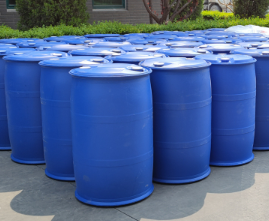
Fact Factory and Equipment Show