
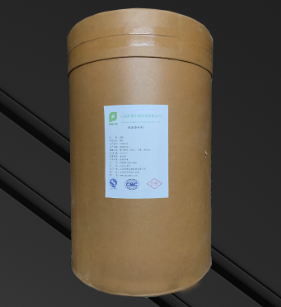
Hydroxypropyl methyl cellulose #CAS9004-65-3
CAS Number:9004-65-3
Chemical Formula:C3H7O*
Synonyms:
hpmcd
isoptoalkaline
Hydroxypropyl Methyl Cellulose (Mpmc), Cas
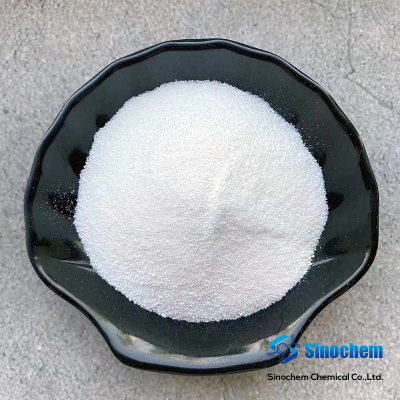
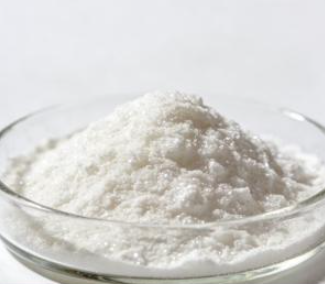
Appearance:White to cream powder
MOQ (Minimum Order Quantity): 1 FCL (Full Container Load)
Hydroxypropyl methyl cellulose #CAS9004-65-3
Hydroxypropyl methyl cellulose is propylene glycol ether of methyl cellulose, hydroxypropyl and methyl combine with anhydrous glucose ring by ether bond.It is white or pale white cellulose powder or particles.It has different types of products, the methoxy and hydroxypropyl content ratio is different. It is white or gray fibrous powder or particles. It is soluble in water and some organic solvents and unsoluble in ethanol. Aqueous solution has a surface activity, the formation of the film after drying, heated and cooled, in turn, from the sol to gel reversible transformation.
Hydroxypropyl methyl cellulose is a propylene glycol ether of methylcellulose in which both hydroxypropyl and methyl groups are bound to the anhydrous glucose ring of cellulose by ether linkages. Hydroxypropyl methyl cellulose is synthesized from methyl cellulose by the action of alkali and propylene oxide. The resultant product is a water soluble ether derivative of cellulose containing both methoxy and hydroxypropyl groups. The degree of substitution is 1.08 to 1.83 with the hydroxypropyl groups as the minor constituent. White to off-white fibrous powder or granules. Soluble in water and some organic solvents. Insoluble in ethanol, the aqueous solution has surface activity, forms a thin film after drying, and undergoes a reversible transition from sol to gel in turn by heating and cooling.
Hypromellose is an odorless and tasteless, white or creamy-white fibrous or granular powder. This product is soluble in water (10 mg/ml). However, it is very important to thoroughly disperse the particles in water with agitation before they will dissolve. Otherwise, they will lump and form a gelatinous membrane around the internal particles, preventing them from wetting completely. There are four dispersion techniques commonly used to prepare solutions of hydroxypropylmethylcellulose: dispersion in hot water, dry blending, dispersion in non-solvent medium, and dispersion of surface-treated powders.
Applicaion of Hydroxypropyl methyl cellulose
Hydroxypropyl Methyl Cellulose (HPMC) are water soluble polymers derived from cellulose. They are typically used as thickeners, binders, film formers, and water retention agents. They also function as suspension aids, surfactants, lubricants, protective colloids, and emulsifiers. In addition, solutions of these polymers thermally gel.
hydroxypropyl methyl cellulose has many excellent properties. lt is presented below some examples of HPMC applications:
Food industry: stabilizers of emulsions and foams, as a replacement for fat, as a non-caloric bulking agentin foods, as a binder, among others.
Pharmaceutical industry: as a dispersing and thickening agent, film-coating of tablets, drug preparations,among others.
Cosmetics industry: hair shampoo, eye makeup, skin care preparations, among others.
Hydroxypropyl Methylcellulose is a gum formed by the reaction of propylene oxide and methyl chloride with alkali cellulose. it will gel as the temperature is increased in heating and upon cooling will liquefy. the gel temperature ranges from 60°c to 90°c, forming semifirm to mushy gels. it is used in bakery goods, dressings, breaded foods, and salad dressing mix for syneresis control, texture, and to provide hot viscosity. usage level ranges from 0.05 to 1.0%.
Hydroxypropyl methyl cellulose is used as an ophthalmic lubricant, an emulsifier and a thickening and suspending agent. It is widely used as an excipient in pharmaceutical formulations. It acts as a food additive. Its eye drops are known as artificial tears, which are used to relieve eye dryness and soreness. It finds applications in various fields as emulsifier, film former, protective colloid, stabilizer, suspending agent, or thickener in foods. Pharmaceutic aid (suspending agent; tablet excipient; demulcent; viscosity increasing agent); hydrophilic carrier in drug delivery systems. In adhesives, asphalt emulsions, caulking compounds, tile mortars, plastic mixes, cements, paints.
| Hydroxypropyl methyl cellulose Chemical Properties |
| Melting point | 225-230 °C |
| density | 1.39 |
| storage temp. | room temp |
| solubility | H2O: 50 mg/mL, clear to very faintly turbid, faintly yellow |
| form | powder |
| color | White to cream |
| Odor | Odorless |
| PH | 5.0-8.0 |
| biological source | plant |
| Water Solubility | SOLUBLE |
| Merck | 14,4842 |
| Stability: | Stable. Solid is combustible, incompatible with strong oxidizing agents. |
| Cosmetics Ingredients Functions | SURFACTANT - CLEANSING FILM FORMING VISCOSITY CONTROLLING BINDING ANTISTATIC EMULSION STABILISING |
| Cosmetic Ingredient Review (CIR) | Hydroxypropyl methyl cellulose (9004-65-3) |
| InChIKey | PUSNGFYSTWMJSK-GSZQVNRLSA-N |
| EPA Substance Registry System | 2-Hydroxypropyl methyl cellulose (9004-65-3) |
| Safety Information |
| Safety Statements | 24/25 |
| WGK Germany | 1 |
| RTECS | NF9125000 |
| F | 3-10 |
| TSCA | TSCA listed |
| HS Code | 3912900000 |
| Storage Class | 11 - Combustible Solids |
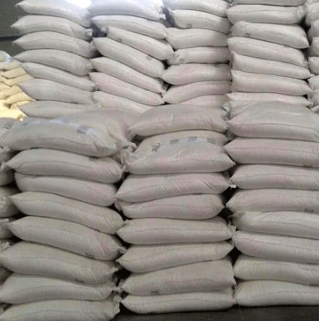
Fact Factory and Equipment Show