Glycerol #CAS56-81-5
CAS Number:56-81-5
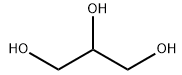
Chemical Formula:C3H8O3
Synonyms:
glycerin(mist)
Glycerin, anhydrous
Glycerin, synthetic
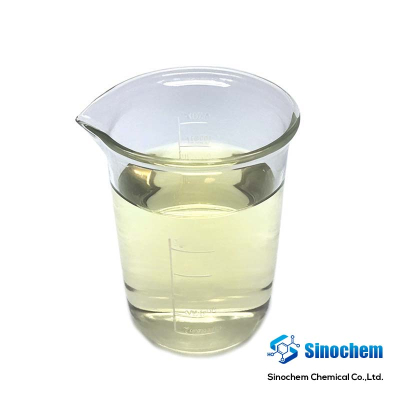
Appearance:Glycerol is a viscous colorless or pale yellow, odorless, syrupy liquid..
MOQ (Minimum Order Quantity): 1 FCL (Full Container Load)
Glycerol #CAS56-81-5
Pure glycerol appears as colorless, odorless and sweet viscous liquid. Boiling point: 290 ° C, melting point: 17.9 ° C, the relative density: 1.2613. It can be miscible with water infinitely. It can be dissolved in 11 times ethyl acetate, about 500 times ether. It is insoluble in benzene, chloroform, carbon tetrachloride, carbon disulfide, petroleum ether and oil. Anhydrous glycerol has a strong water absorption property.Glycerol is weakly acidic, being able to react with alkaline hydroxide. For example, it reaction with copper hydroxide can produce bright blue cupric glycerinate (can be used to identify polyols). Glycerol can react with nitric acid to generate glyceryl trinitrate, also known as nitroglycerin, being a strong explosive.
Because glycerol has water absorption property, it is often used as the moisturizing agent of cosmetics, leather, tobacco, food and textile. Glycerol also has effect on lubricating the intestine, being able to be used for enema or suppository treatment of constipation. Nitroglycerides have the effect of dilating coronary arteries and can be used to treat angina. Nitroglycerin can be used as an explosive and propellant. Glycerol can react with binary acid to generate alkyd resin, widely being used in paints and coatings.
Applicaion of Glycerol
Glycerol's properties make it useful for numerous applications. The three hydroxyl groups in glycerol allow extensive hydrogen bonding that gives glycerol its characteristic syrupy viscous texture and hygroscopic character. Approximately 40% of glycerol's use is for personal care products such as cosmetics, soaps, shampoos, lotions, mouthwash, and toothpaste. Glycerol's hygroscopic properties make it a good moisturizer in skin products. Another 25% of glycerol's annual production is used in food production. In the food industry glycerol is used as a moistening agent, as a solvent for food coloring and syrups, to prevent crystallization of sugar in candies and icings, as a preservative, and as a sweetening agent. Approximately 10% of glycerol's use goes into tobacco processing, where it is sprayed on tobacco leaves before they are shredded to serve as a moistening agent. Glycerol has the added benefit of imparting a sweet taste to chewing tobacco. The remaining 25% of glycerol's use is distributed among various industrial uses. It is used in cough syrups and elixir medicines. In industry, glycerol is found in lubricants, plasticizers, adhesives, antifreezes, resins, and insulating foams. At one time it was used almost exclusively in its nitrated form as an explosive (see Nitroglycerin), which today accounts for about 3% of its use.Glycerol is used both in sample preparation and gel formation for polyacrylamide gel electrophoresis. Glycerol (5-10%) increases the density of a sample so that the sample will layer at the bottom of a gel’s sample well. Glycerol is also used to aid in casting gradient gels and as a protein stabilizer and storage buffer component.
glycerin (glycerol; propanetriol) is a humectant used in moisturizers. It is water-binding and able to draw and absorb water from the air, thus helping the skin retain moisture. glycerin has been studied extensively for its hydrating abilities. Based on the data available, glycerin has been established as a good skin-moisturizing agent. At least part of its activity is attributed to its facilitating enzymatic reactions in the skin, thereby promoting corneocyte desquamation. glycerin also improves the spreading qualities of creams and lotions. It is a clear, syrupy liquid made by chemically combining water and fat that is usually derived from vegetable oil. Although glycerin has not been shown to cause allergies, it may be comedogenic and irritating to the mucous membranes when used in concentrated solutions.
Fact Factory and Equipment Show