Propylene glycol #CAS57-55-6
CAS Number:57-55-6
Chemical Formula:C3H8O2
Synonyms:
Glycerol Impurity 3(Glycerol EP Impurity C)
Propylene glycol 57-55-6
Propyleneglycol Manufacturer
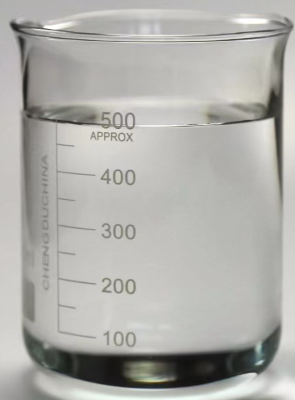
Appearance:Propylene glycol is a colorless, odorless, syrupy liquid.
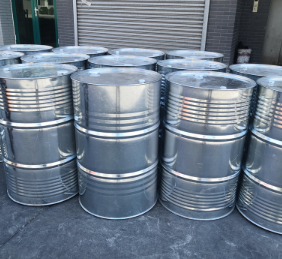
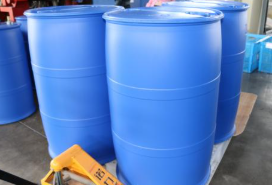
MOQ (Minimum Order Quantity): 1 FCL (Full Container Load)
Propylene glycol #CAS57-55-6
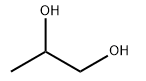
Propylene glycol is scientifically named as “1,2-propanediol”, and has a chemical formula of CH3CHOHCH2OH and a molecular weight of 76.10. There is a chiral carbon atom in the molecule. Its racemate is a hygroscopic viscous liquid and is slightly spicy. It has a specific gravity of 1.036 (25/4 °C), a freezing point of-59 °C, and a boiling point of 188.2 °C, respectively 83.2 °C (1,333 Pa). It is miscible with water, acetone, ethyl acetate and chloroform, and is soluble in ether. It is soluble in many essential oils, but is not miscible with petroleum ether and paraffin oil. It is relatively stable to heat and light, and is more stable at low temperatures. Its L-isomer has a boiling point of 187 to 189 °C and a specific optical rotation [α] of D20-15.0°. It can be oxidized at high temperatures to propionaldehyde, lactic acid, pyruvic acid and acetic acid.
Applicaion of Propylene glycol
Propylene glycol is used for similar applications as other glycols.Propylene glycol is an important raw material for unsaturated polyester, epoxy resin, and polyurethane resin. The use amount in this area accounts for about 45% of the total consumption of propylene glycol. Such unsaturated polyester is used extensively for reinforced plastics and surface coatings. Propylene glycol is excellent in viscosity and hygroscopicity and is non-toxic, and thus is widely used as hygroscopic agent, antifreeze, lubricants and solvents in the food, pharmaceutical and cosmetic industry. In the food industry, propylene glycol reacts with fatty acid to give propylene ester of fatty acids, and is mainly used as food emulsifier; Propylene glycol is a good solvent for flavorings and pigments. Propylene glycol is commonly used as solvents, softeners and excipients, etc. in the pharmaceutical industry for the manufacture of various types of ointments and salves. Propylene glycol is also used as a solvent and a softener for cosmetic since it has good mutual solubility with various spices. Propylene glycol is also used as tobacco moisturizing agents, antifungal agents, food processing equipment lubricants and solvents for food marking ink. Aqueous solution of propylene glycol is an effective anti-freeze agent.
Next to water, propylene glycol is the most common moisturecarrying vehicle used in cosmetic formulations. It has better skin permeation than glycerin, and it also gives a pleasant feel with less greasiness than glycerin. Propylene glycol is used as a humectant because it absorbs water from the air. It also serves as a solvent for anti-oxidants and preservatives. In addition, it has preservative properties against bacteria and fungi when used in concentrations of 16 percent or higher. There is a concern that propylene glycol is an irritant at high concentrations, though it appears to be quite safe at usage levels under 5 percent.Propylene Glycol is a humectant and flavor solvent that is a polyhy- dric alcohol (polyol). it is a clear, viscous liquid with complete solu- bility in water at 20°c and good oil solvency. it functions as a humectant, as do glycerol and sorbitol, in maintaining the desired moisture content and texture in foods such as shredded coconut and icings. it functions as a solvent for flavors and colors that are insoluble in water. it is also used in beverages and candy.
Fact Factory and Equipment Show