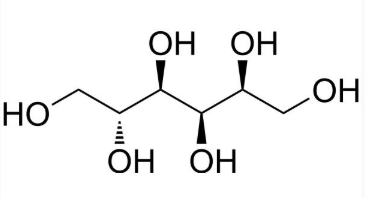
SORBITOL SOLUTION 70 #CAS50-70-4
CAS Number:50-70-4
Chemical Formula:C6H14O6
Synonyms:
Sorbitol aqueous solution
Sorbitol liquid
D-Glucitol solution
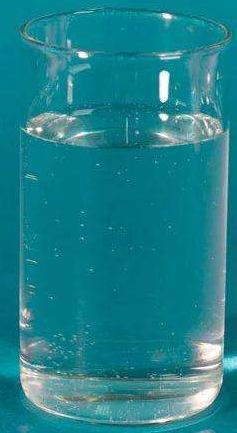
Appearance:Colorless or light yellow transparent viscous liquid
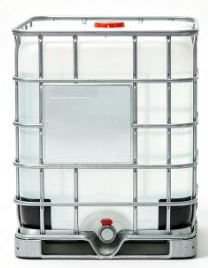
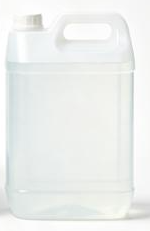
MOQ (Minimum Order Quantity): 1 FCL (Full Container Load)
SORBITOL SOLUTION 70 #CAS50-70-4
Sorbitol solution is an aqueous solution of D‑sorbitol, a polyhydric alcohol with six hydroxyl groups. It has good water solubility and can be mixed with water, glycerol and other polar solvents in any proportion. It is non‑ionic and chemically stable under normal temperature and neutral or weakly alkaline conditions, and it will not undergo fermentation or decomposition easily. It has strong hygroscopicity and moisture retention capacity, and its moisture‑locking performance can be adjusted with concentration. It will not be hydrolyzed under normal conditions. Under strong acid and high temperature conditions, dehydration reaction may occur to generate sorbitan, isosorbide and other dehydration products. It can react with aldehydes and ketones to form acetal compounds, and can also carry out esterification reaction with organic acids to produce sorbitan esters such as Span series surfactants. It is not easy to be oxidized at room temperature, but long‑term heating, especially in the presence of metal ions, will accelerate oxidation and produce acidic substances, resulting in the decrease of pH value. It has low volatility and will not volatilize easily under normal storage conditions. It is compatible with most water‑soluble additives, thickeners, surfactants and sugars, and will not produce precipitation or flocculation. It does not react violently under conventional storage and application conditions.
Applicaion of SORBITOL SOLUTION 70
Sorbitol solution is a widely used polyol raw material with excellent moisturizing, plasticizing, sweetening and stabilizing properties. In the food industry, it serves as humectant, sweetener, plasticizer and anti‑crystallization agent for cakes, biscuits, candies, chewing gum, preserved fruits, beverages and frozen food. It can effectively retain moisture, prevent food drying and hardening, inhibit sugar crystallization, and provide cool and mild sweet taste without stimulating blood sugar to rise rapidly. In the cosmetic and personal care industry, it is commonly added into facial creams, lotions, shampoos, body wash, toothpaste and masks. It can absorb moisture from the surrounding environment and maintain skin and hair hydration, improve the smoothness of the formula, reduce the sticky feeling, and act as a solvent and stabilizer to extend the shelf life of products. In the pharmaceutical industry, it is used as excipient, moisturizer, carrier and sweetening agent for oral preparations, syrups, ointments and tablets. It can improve the taste of medicines, adjust the viscosity of liquid preparations, and help maintain the stability of active ingredients. In the chemical industry, it is an important starting material for synthesizing sorbitan esters such as Span 80 and Tween series surfactants. It can also be used to produce polyether polyols, which are further applied to manufacture polyurethane foams, elastomers and coatings. In the paper and textile industry, it acts as humectant and plasticizer for paper coating, textile printing and dyeing auxiliaries and fiber finishing agents, improving the flexibility of paper and fibers, preventing brittleness and static generation. In the plastic and resin industry, it works as plasticizer, nucleating agent and anti‑fogging agent for polyolefin films, improving the flexibility of plastic films and reducing surface fogging. It is also applied in the field of water‑based adhesives, ink and water‑based coatings to adjust viscosity, enhance flexibility and improve film‑forming performance. In addition, it can be used as cryoprotectant and antifreeze agent in some industrial systems, and as feed additive for livestock and aquaculture.
Fact Factory and Equipment Show