Polypropylene glycol #CAS25322-69-4
CAS Number:25322-69-4
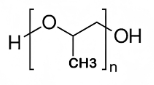
Chemical Formula:(C3H6O)nH2O
Synonyms:
POLYPROPYLENE GLYCOL, DIOL TYPE, 1000
POLYPROPYLENE GLYCOL 1000
PROPYLENE GLYCOL 2000 POLYMER
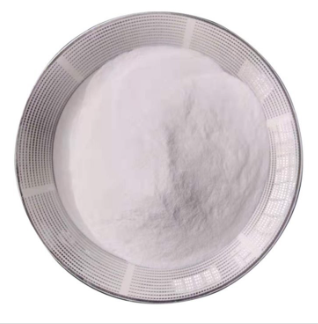
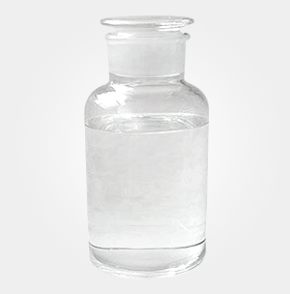
Appearance:Colorless liquid that is odorless or has a mild sweet odor.
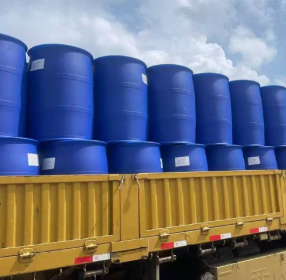
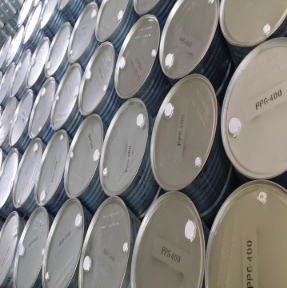
MOQ (Minimum Order Quantity): 1 FCL (Full Container Load)
Polypropylene glycol #CAS25322-69-4
Polypropylene glycol is a transparent, colorless to light yellow viscous liquid. It is classified into three types based on its average molecular weight: 425, 1025, and 2025. It is non-volatile and non-corrosive. The lower molecular weight polymer is soluble in water, while the higher molecular weight variants are only slightly soluble in water but are soluble in oils, many hydrocarbons, aliphatic alcohols, ketones, esters, and similar solvents. The hydroxyl groups at both ends of the molecule can undergo esterification to form monoesters or diesters. The monoesters function as non-ionic surfactants. Polypropylene glycol can also react with alcohols to form ethers. Additionally, it serves as a solvent for vegetable oils, resins, and paraffin.
Applicaion of Polypropylene glycol
Propylene glycol is used in the plastics industry for the manufacture of polyester fibers and alkyd resins. It is used as a main ingredient in automobile antifreeze and engine-cooling liquids and in brake and hydraulic fluids. It is used as a humectant in foods and cosmetics. It is used as a solvent for coloring or flavoring agents as well as in many oral, injectable or topical pharmaceuticals.
Hydraulic fluids, rubber lubricants, antifoam agents, intermediates in urethane foams, adhesives, coatings, elastomers, plasticizers, paint formula- tions, laboratory reagent.
Polypropylene glycol, abbreviated as PPG, is a versatile polyether polymer with adjustable molecular weight. It is widely applied in multiple industrial and civilian fields. In polyurethane industry, it serves as the main polyether raw material for producing polyurethane elastomers, polyurethane coatings, polyurethane adhesives, polyurethane sealants and polyurethane foam materials. It can react with isocyanate to form polyurethane backbone, and different molecular weight grades can tailor the flexibility, hardness and mechanical strength of final PU products. In the surfactant industry, it is used as the intermediate for synthesizing polyether nonionic surfactants, such as polyether emulsifiers, wetting agents and defoamers, which are widely used in textile printing and dyeing, papermaking and water treatment systems. In the lubricant and coolant field, it works as base fluid for synthetic lubricants, gear oil, compressor oil and water-soluble cutting fluid. It features low pour point, good viscosity-temperature performance and excellent anti-wear property, and it will not form carbon deposits easily under high temperature conditions. It also acts as antifreeze and heat transfer medium in industrial circulating cooling systems. In the cosmetic and personal care sector, low-molecular-weight food-grade and cosmetic-grade PPG can be used as humectant, solubilizer and emollient in skin care cream, lotion and hair care formulations, improving the spreadability of the formula and bringing soft, non-greasy skin feel. In the pharmaceutical industry, it can be used as solvent, plasticizer and carrier for drug preparations. In the plastic and rubber processing industry, it functions as internal lubricant, plasticizer and release agent, reducing the friction between resin molecules, lowering processing viscosity and improving the fluidity of plastic and rubber during extrusion and injection molding. In addition, it is used as dispersant and viscosity modifier in water-based coatings and inks, stabilizing pigment dispersion and adjusting the rheological property of coating systems. It can also be used as raw material for brake fluid, hydraulic oil and rubber processing aids, and finds application in agricultural formulation as solvent and penetration enhancer for pesticide active ingredients.
| Polypropylene glycol Chemical Properties |
| Melting point | -40 °C |
| Boiling point | 267 °C |
| density | 1.0 |
| vapor density | >1 (vs air) |
| Pour Point | -26 |
| Pour Point | -45 |
| vapor pressure | <0.01 mm Hg ( 20 °C) |
| refractive index | n 20/D 1.449 |
| Fp | 135 °C |
| storage temp. | Storage temp. 2-8°C |
| solubility | H2O: <0.01 % (w/w) at 25 °C |
| form | clear liquid |
| color | Colorless to Light yellow |
| Specific Gravity | 1.005 |
| Water Solubility | PRACTICALLY INSOLUBLE |
| FreezingPoint | -25 |
| FreezingPoint | -40 |
| Stability: | Stable. Substances to be avoided include strong oxidizing agents. |
| Cosmetics Ingredients Functions | SKIN CONDITIONING SOLVENT |
| InChI | 1S/C6H14O3/c1-5(8)4-9-6(2)3-7/h5-8H,3-4H2,1-2H3 |
| InChIKey | DUFKCOQISQKSAV-UHFFFAOYSA-N |
| SMILES | CC(O)CO |
| LogP | 0.01 at 25℃ |
| NIST Chemistry Reference | Polypropylene glycol 425(25322-69-4) |
| EPA Substance Registry System | Polypropylene glycol (25322-69-4) |
| Safety Information |
| Safety Statements | 24/25 |
| WGK Germany | 1 |
| RTECS | TR5250000 |
| TSCA | TSCA listed |
| HS Code | 3907209000 |
| Storage Class | 10 - Combustible liquids |
| Hazardous Substances Data | 25322-69-4(Hazardous Substances Data) |
Fact Factory and Equipment Show