
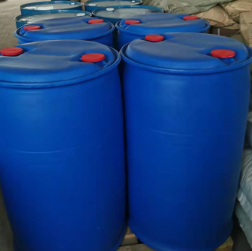
Polyethylene Glycol #CAS25322-68-3
CAS Number:25322-68-3
Chemical Formula:(C2H4O)nH2O
Synonyms:
1,2-ethanediol,homopolymer
Alcox E 160
Alcox E 30;alcoxe30
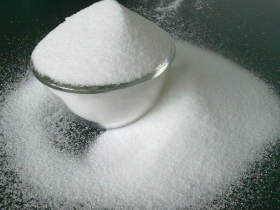
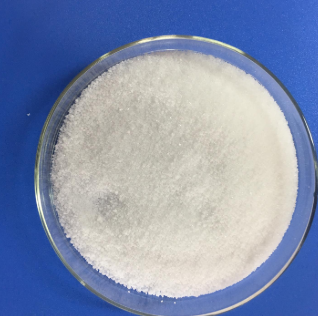
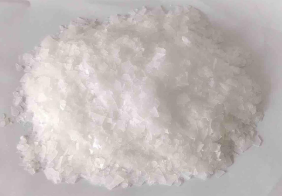
Appearance:White to very pale yellow.
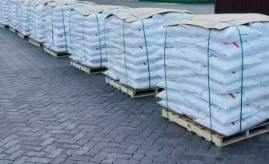
MOQ (Minimum Order Quantity): 1 FCL (Full Container Load)
Polyethylene Glycol #CAS25322-68-3
Polyethylene glycol is a polymer which is hydrolyzed by ethylene oxide. It has no toxicity and irritation. It is widely used in various pharmaceutical preparations. The toxicity of low molecular weight polyethylene glycol is relatively large. In general, the toxicity of diols is very low. Topical application of polyethylene glycol, especially mucosal drug, can cause irritant pain. In topical lotion, this product can increase the flexibility of the skin, and has a similar moisturizing effect with glycerin. Diarrhoea can occur in large doses of oral administration. In injection, the maximum polyethylene glycol 300 concentration is about 30% (V/V). Hemolysis could occur when the concentration is more than 40% (V/V).
Applicaion of Polyethylene Glycol
Polyethylene glycol(25322-68-3) is also known as polyoxirane (PEO). It is a linear polyether obtained by ring opening polymerization of ethylene oxide. The main uses in the field of biomedicine are as follows:
Contact lens liquid. The viscosity of polyethylene glycol solution is sensitive to the shear rate and it is not easy for bacteria to grow on polyethylene glycol.
Synthetic lubricants. The condensation polymer of ethylene oxide and water. It is a cream matrix for preparing water-soluble drugs. It can also be used as a solvent for acetylsalicylic acid and caffeine, which is difficult to dissolve in water.
Drug sustained-release and immobilized enzyme carrier. The polyethylene glycol solution is applied to the outer layer of the pill to control the diffusion of drugs in the pill so as to improve the efficacy.
Surface modification of medical polymer materials. The biocompatibility of medical polymer materials in contact with blood can be improved by adsorption, interception and grafting of two amphiphilic copolymers containing polyethylene glycol on the surface of medical polymers.
It can make the membrane of the alkanol contraceptive pill.
It can make hydrophilic anticoagulant polyurethane.
Polyethylene glycol 4000 is an osmotic laxative. It can increase osmotic pressure and absorb moisture in the intestinal cavity, which makes the stool soften and increase in volume, resulting in bowel movement and defecation.
Denture fixing agent. Peg nontoxic and gelatinous nature can be used as a component of denture fixer.
PEG 4000 and PEG 6000 are commonly used to promote cell fusion or protoplast fusion and help organisms (such as yeasts) to take DNA in transformation. PEG absorbs water from the solution, so it is also used to concentrate the solution.
Poly(ethylene Glycol) molecules of approximately 2000 monomers. Poly(ethylene Glycol) is used in various applications from industrial chemistry to biological chemistry. Recent research has shown PEG m aintains the ability to aid the spinal cord injury recovery process, helping the nerve impulse conduction process in animals. In rats, it has been shown to aid in the repair of severed sciatic axons, helping with nerve damage recovery. It is industrially produced as a lubricating substance for various surfaces to reduce friction. PEG is also used in the preparation of vesicle transport systems in with application towards diagnostic procedures or drug delivery methods.
| Polyethylene Glycol Chemical Properties |
| Melting point | 64-66 °C |
| Boiling point | >250°C |
| Tg | -67 |
| bulk density | 400-500kg/m3 |
| density | 1.27 g/mL at 25 °C |
| vapor density | >1 (vs air) |
| vapor pressure | <0.01 mm Hg ( 20 °C) |
| refractive index | n |
| Fp | 270 °C |
| storage temp. | 2-8°C |
| solubility | H2O: 50 mg/mL, clear, colorless |
| form | waxy solid |
| color | White to very pale yellow |
| Specific Gravity | 1.128 |
| PH | 5.5-7.0 (25℃, 50mg/mL in H2O) |
| biological source | synthetic (organic) |
| Water Solubility | Soluble in water. |
| λmax | λ: 260 nm Amax: 0.6 λ: 280 nm Amax: 0.3 |
| Sensitive | Hygroscopic |
| Merck | 14,7568 |
| α-end | hydroxyl |
| Ω-end | hydroxyl |
| Stability: | Stable. Incompatible with strong oxidizing agents. |
| Major Application | cleaning products cosmetics food and beverages personal care |
| Cosmetics Ingredients Functions | BINDING SURFACTANT - FOAM BOOSTING EMULSION STABILISING SURFACTANT - EMULSIFYING VISCOSITY CONTROLLING HUMECTANT SURFACTANT - CLEANSING SURFACTANT - SOLUBILIZING SOLVENT PLASTICISER ANTICAKING |
| Cosmetic Ingredient Review (CIR) | Polyethylene Glycol (25322-68-3) |
| InChI | 1S/C2H6O2/c3-1-2-4/h3-4H,1-2H2 |
| InChIKey | LYCAIKOWRPUZTN-UHFFFAOYSA-N |
| SMILES | C(CO)O |
| LogP | -0.698 at 25℃ |
| Surface tension | 43.5mN/m at 20°C |
| NIST Chemistry Reference | Polyethylene glycol(25322-68-3) |
| EPA Substance Registry System | Polyethylene glycol (25322-68-3) |
| Absorption | ≤0.1 at 280nm ≤0.2 at 260nm |
| Safety Information |
| Hazard Codes | Xi,T |
| Risk Statements | 36/38-52/53-33-23/24/25 |
| Safety Statements | 26-36-24/25-61-45-36/37 |
| WGK Germany | 3 |
| RTECS | TQ4110000 |
| F | 3-9 |
| Autoignition Temperature | 581 °F |
| Hazard Note | Harmful |
| TSCA | TSCA listed |
| HS Code | 2905499000 |
| Storage Class | 10 - Combustible liquids |
| Hazardous Substances Data | 25322-68-3(Hazardous Substances Data) |
| Toxicity | LD50 orally in Rabbit: 28000 mg/kg LD50 dermal Rabbit > 20000 mg/kg |
Fact Factory and Equipment Show