Valine #cas:7004-03-7
Valine is one of the 20 amino acids that make up proteins [1]. It is one of the eight essential amino acids for the human body and is also a glucogenic amino acid. Working alongside two other high-concentration amino acids—isoleucine and leucine—valine promotes normal physical growth, aids in tissue repair, regulates blood sugar levels, and provides necessary energy. During intense physical activity, valine can supply additional energy to muscles by facilitating glucose production, thereby helping to prevent muscle weakness. It also assists in removing excess nitrogen (a potential toxin) from the liver and transporting nitrogen to various parts of the body where it is needed.
As an essential amino acid, valine cannot be synthesized by the human body and must be obtained through dietary sources. Natural food sources include grains, dairy products, various mushrooms (such as shiitake), peanuts, soy protein, and meat. Additionally, D-valine is found in certain actinomycete-derived compounds, such as valinomycin. Although most people obtain sufficient amounts through their diet, cases of valine deficiency do occur. A deficiency can lead to central nervous system dysfunction, resulting in ataxia and tremors in the limbs. Examination of brain tissue sections has revealed degeneration of cells in the red nucleus. In patients with advanced cirrhosis, impaired liver function can lead to hyperinsulinemia, which causes a reduction in circulating branched-chain amino acids (BCAAs). This shifts the ratio of branched-chain amino acids to aromatic amino acids from the normal range of 3.0–3.5 down to 1.0–1.5. Consequently, injections containing branched-chain amino acids—such as valine—are frequently used to treat liver failure, as well as damage to organs caused by alcohol or drug abuse. Furthermore, valine can serve as a therapeutic agent to accelerate wound healing.
Applicaion of Valine
Valine works with two other high-concentration amino acids (isoleucine and leucine) to promote normal growth, repair tissues, regulate blood sugar, and provide necessary energy. In addition, valine's role includes stimulating the central nervous system, which is essential for proper mental function. During strenuous physical activity, valine can provide muscles with extra energy to produce glucose, preventing muscle weakness. It also helps remove excess nitrogen (a potential toxin) from the liver and transports the nitrogen the body needs to various parts of the body. Valine may also help treat liver and gallbladder diseases, as well as damage to these organs caused by alcoholism and drug abuse. Valine supplements may be considered for those engaged in heavy physical activity, those on low-protein diets, and bodybuilders. Although available in standalone forms, it is best taken with isoleucine and leucine. Choosing a mixed valine supplement is more convenient. However, it is important to note that excessive valine intake can lead to skin sensitivities and even hallucinations. Furthermore, too much valine in the diet can increase the amount of ammonia in the body, which can have a damaging effect on liver and kidney function.
Maintaining Normal Nervous System Function: Amino acids, while acting as neurotransmitters, are also precursors to many other neurotransmitters. They are widely used clinically to alleviate central nervous system disorders caused by liver damage in the elderly. Infusion of branched-chain amino acids can also increase ventilation, improve sleep patterns in patients with sleep disorders, increase appetite, and regulate mood. Valine also has an inhibitory effect on neurological diseases, such as nervous system degeneration, primarily by affecting the myelin sheath covering nerves. 2. Promoting Trauma Recovery: Due to the series of changes in amino acid concentration and profile in trauma patients after stress, the suitability of the types of amino acids provided for metabolic support directly affects amino acid metabolism. Meta-analysis results show that early administration of branched-chain amino acids to trauma patients can better improve nitrogen balance, increase total protein and albumin levels, and reduce postoperative complications. 3. Protecting the Myocardium: During heart failure, the gene expression of valine and other branched-chain amino acid metabolic enzymes is inhibited, leading to defects in branched-chain amino acid metabolism. The accumulation of metabolic intermediates, branched-chain keto acids, further impairs cardiac contractile function and promotes the development of heart failure. 4. Regulating Liver Metabolism: Patients with chronic liver disease often experience various metabolic disorders. Clinical studies have shown that intravenous administration of branched-chain amino acids can improve hepatic encephalopathy with hyperammonemia caused by cirrhosis. 5. Other Applications: Improves calcium absorption and promotes bone growth; promotes brain development; promotes fat metabolism; regulates the pineal gland, mammary glands, corpus luteum, and ovaries; prevents cell degeneration; reduces or prevents the occurrence of herpes simplex infection; helps eliminate certain types of infertility; valine deficiency can reduce sensitivity, causing amenorrhea, anemia, dizziness, lightheadedness, and nausea in women.
| Valine Chemical Properties |
| Melting point | 315° C (under decomposition). |
| solubility | 9% soluble in water, practically insoluble in alcohol and oils. |
| pka | pKa1 2.28,pKa2 9.54(25℃) |
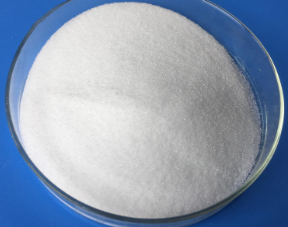
| form | Leafy crystals |
| Odor | virtually odorless |
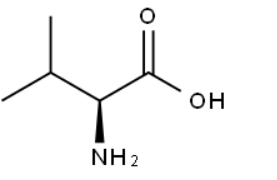
| InChI | InChI=1/C5H11NO2/c1-3(2)4(6)5(7)8/h3-4H,6H2,1-2H3,(H,7,8)/t4-/s3 |
| InChIKey | KZSNJWFQEVHDMF-UFLUHPNLNA-N |
| SMILES | [C@@H](N)(C(=O)O)C(C)C |&1:0,r| |
Fact Factory and Equipment Show