Glucose#CAS58367-01-4
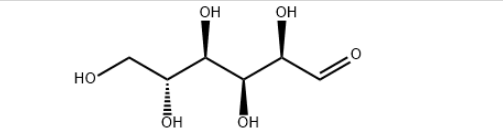
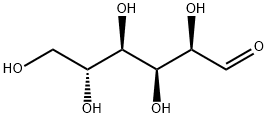
ChEBI: Aldehydo-D-glucose is the open chain form of D-glucose. It is a D-glucose and an aldehydo-glucose. It is an enantiomer of an aldehydo-L-glucose.
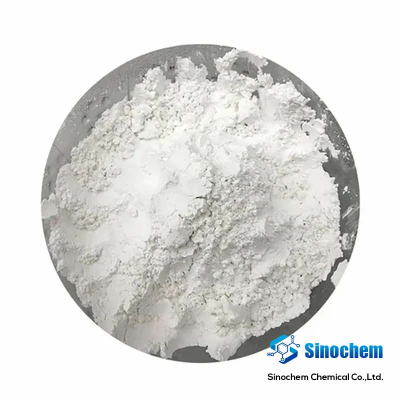
From corn to starch to glucose, modern industry produces glucose on a large scale using enzymatic hydrolysis. The general process of enzymatic hydrolysis is: corn and other grains, peeled and de-embryonated and ground into powder, mixed with water to form a solution. Add saccharase to the solution, the corn starch in the solution will be hydrolyzed, into a glucose solution. The solution is then filtered, concentrated and dried, and we get a shiny white, powdery "glucose monohydrate", molecular formula C6H12O6-H2O. etc. Shiny white powder So the bottle of glucose you get when you go to the clinic for an infusion is glucose monohydrate in water Of course not.
According to the filtration precision, the purity of the finished product and so on, the glucose monohydrate at this time is divided into two grades: food-grade glucose and pharmaceutical-grade glucose. Food to the use of the main is reprocessed into sorbitol, so that sweets and confectionery sweeter and longer shelf life. For medicine, it is used as raw material to produce oral glucose medicine and health products. As for the kind of glucose used in pharmaceutical injections and infusions, it is anhydrous glucose. To get it, we need to further process glucose monohydrate. Roughly the process is: dissolve glucose monohydrate with water, then add activated carbon to further adsorb the heterogeneous color and impurities, and finally heat and evaporate the solvent, and then naturally cooled to precipitate crystals, which are anhydrous glucose (molecular formula C6H12O6).
Application of Glucose
Food and Industrial Applications
In the food sector, glucose—often in the form of glucose syrup or dextrose—is utilized primarily for its sweetness, moisture-retention properties, anti-crystallization characteristics, and fermentability.
Confectionery and Baking: Its anti-crystallization properties help prevent sugar from "graining" (recrystallizing) in confections; its hygroscopic nature keeps baked goods soft; and its reducing properties contribute to the development of caramel-like flavors and colors during the baking process.
Beverages and Frozen Desserts: It is used to increase the viscosity of fruit juices and canned products, while in ice cream, its ability to lower the freezing point helps improve texture.
As a Raw Material for Chemical and Biotechnological Manufacturing:
Fermentation Substrate: It serves as a carbon source for microbial fermentation, facilitating the production of substances such as ethanol, antibiotics, and amino acids.
Catalytic Conversion: Glucose can be converted into high-value chemicals through catalytic processes. For instance, recent research has demonstrated a method that uses glucose as the sole feedstock to simultaneously produce gluconic acid (used in detergents and pharmaceuticals) and sorbitol (used in sweeteners and cosmetics), without the need for an external supply of hydrogen or oxygen.
| Glucose Basic information |
| Product Name: | Glucose |
| Synonyms: | Glucose;DL-Glucose |
| CAS: | 58367-01-4 |
| MF: | C6H12O6 |
| MW: | 180.16 |
| EINECS: | |
| Product Categories: | |
| Mol File: | 58367-01-4.mol |
 | |
| Glucose Chemical Properties |
| Boiling point | 527.1±50.0 °C(Predicted) |
| density | 1.581±0.06 g/cm3(Predicted) |
| pka | 12.45±0.20(Predicted) |
| InChI | InChI=1S/C6H12O6/c7-1-3(9)5(11)6(12)4(10)2-8/h1,3-6,8-12H,2H2/t3-,4+,5+,6+/m0/s1 |
| InChIKey | GZCGUPFRVQAUEE-SLPGGIOYSA-N |
| SMILES | O=C[C@@H]([C@H]([C@@H]([C@@H](CO)O)O)O)O |
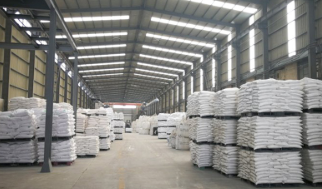
Fact Factory and Equipment Show