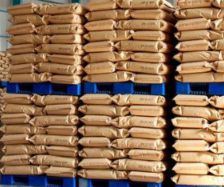
Humic acid #CAS1415-93-6
CAS Number:1415-93-6
Chemical Formula:C9H9NO6
Synonyms:
NITROHUMIC ACID
abcolwalnutcrystals
pgs10
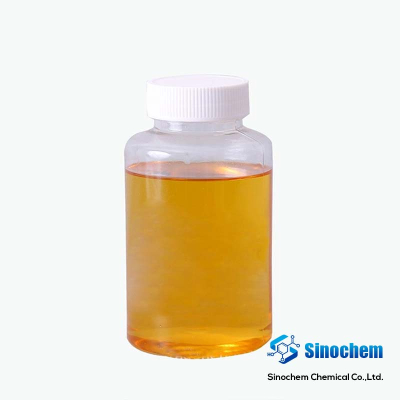
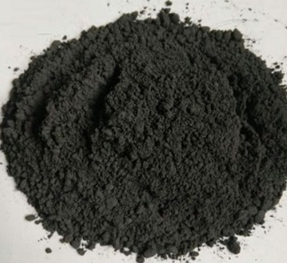
Appearance:Brown to black
MOQ (Minimum Order Quantity): 1 FCL (Full Container Load)
Humic acid #CAS1415-93-6
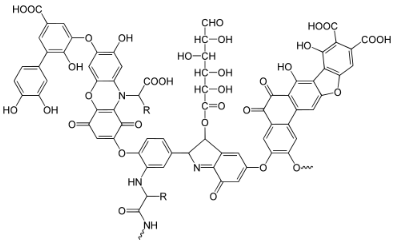
Humic acid is also known as humus acid. A complex mixture of natural organic polymer compounds. Black or black brown amorphous powder, slightly soluble in water and acid, soluble in hot concentrated nitric acid with dark red. Soluble humic acid can be formed by reacting with alkali solution. It can be also used as dispersion and emulsification agents. It has weak acidity, hydrophilicity, complexation, redox, ion-exchange and physiological activity because it contains elements such as carbon, hydrogen, oxygen, nitrogen, and active groups such as hydroxyl, carbonyl, carboxyl, quinone, methoxy and aromatic nuclei. According to the process of its formation, it is divided into primary humic acid and regenerative humic acid. According to the solubility and color difference, it is divided into humic acid or humus acid (soluble in alkali solution), brown humic acid or melilotic acid (soluble in acetone, ethanol), fulvic acid (soluble in water). It exists in soil humics and lean coal, which is formed by partial decomposition of plant residues in the presence of air and water. Thus, it can be extracted from peat, lignite, or some soil and used as soil modifier, plant growth stimulant, insecticide, fertilizer, herbicide, medicine, mud stabilizer for oil drilling, ion exchanger and also battery plate, etc. Its sodium or ammonium salt can be used to prepared the humic acid coalball as a binder.
Application of Humic acid
Used as a filtrate reducer with resistance to high temperature for fresh water drilling fluid with the effect of reducing viscosity. But the salt resistance is poor.
Used as fertilizer and soil acid regulating agent
The raw material for the production of humic acid compound fertilizer, the raw material for the production of drilling additive and pesticides.
Biochemical research
Plant growth stimulating hormone. Humic acid macromolecule is connected with carboxyl, hydroxyl, carbonyl, benzoquinonyl, methoxy and other functional groups. Exchange with metal ions, adsorption, complexation, chelation and so on. In a dispersive system, as the polyelectrolytes, it has the effects on condensation, peptisation and dispersion, etc.
Drilling fluids, printing inks, plant growth.Metal chelator; pigments.Humic acid is used as a soil supplement in agriculture and human nutritional supplement. It is used to improve the growth and cultivation of crops, citrus, turf, flowers. It is also used to improve the strength of organically-deficient soils. It is utilized to stimulate the immune system and treating the influenza, avian flu, swine flu and other viral infections.Humic acid is a partially decomposed aromatic, organic matter that originates from terrestrial vegetation. It is made up of dark colored amorphous materials and is the end-product of the action of bacteria and certain enzymes. Most of the humic acid has a large fraction of carboxylic functional group which enables the humic acid molecule to chelate with positively charged multivalent ions (Mg++, Fe++ etc). The action of chelation helps plants to absorb the nutrients effectively. This function is one of the most important roles of humic acid. Humic acid also contains the phenolic functional group.
;Humic acids are derived from peptide, lipid and carbohydrate precursors. Peat, lignite coal, leonardite,decomposing driftwood and fish excreta are rich in humic acids. Leonardite is a highly oxidized form of organic matter and is technically known as a low rank coal which is between peat and sub-bituminous coal. Most of the humic acid found in rivers, lakes and even oceans has flowed from land over long periods of time. In the aquatic media, humic acid molecules develop unique characteristics.
Humic acid can be broken down into two groups, based on the size and polarity of the individual components. The smaller, more polar fraction is called fulvic acid and the larger, non-polar fraction is the humic acid. The acids are soluble in sodium hydroxide.
Humic acids are soluble in alkaline solutions. But on acidification of the alkaline extracts, they precipitate (Fulvic acid, on the other hand, remains soluble on acidification of the extract). Their molecular weight is in the range of tens of thousands to a million. They are believed to be polymerization products of fulvic acids and their decay products.
The three main components of humus are humin, humic acid and fulvic acid.
| Humic acid Chemical Properties |
| Melting point | >300℃ |
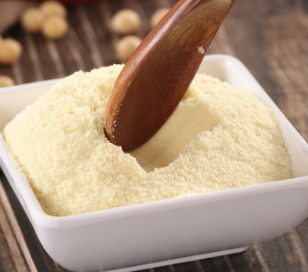
| form | Crystalline powder |
| color | Brown to black |
| Water Solubility | Slightly soluble in water, with much swellingSoluble in organic solvents like acetone and benzenol. Slightly soluble in water. |
| Merck | 14,4752 |
| Stability: | Stable. Incompatible with strong oxidizing agents. |
| Cosmetics Ingredients Functions | SKIN CONDITIONING |
| InChI | 1S/K |
| InChIKey | [ZLMJMSJWJFRBEC-UHFFFAOYSA-N] || ZLMJMSJWJFRBEC-UHFFFAOYSA-N |
| SMILES | [K] |
| EPA Substance Registry System | Humic acids (1415-93-6) |
| Safety Information |
| Hazard Codes | Xi |
| Risk Statements | 36/37/38 |
| Safety Statements | 26-36 |
| WGK Germany | 3 |
| RTECS | MT6544000 |
| TSCA | TSCA listed |
| HS Code | 29420000 |
| Storage Class | 11 - Combustible Solids |
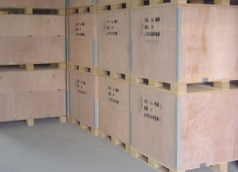
Fact Factory and Equipment Show