Textile softener
Synonyms:
Fabric softener
Textile softening agent
Softening finish agent
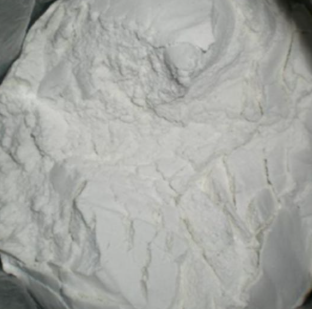
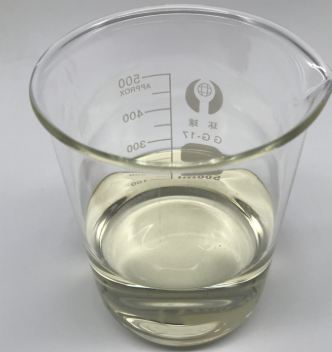
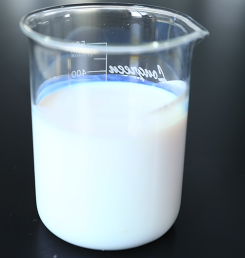
Appearance:Milky white uniform emulsion, no obvious delamination and no visible impurities.
MOQ (Minimum Order Quantity): 1 FCL (Full Container Load)
Textile softener
Textile softeners are mostly compound emulsion systems, mainly including amino silicone oil type and cationic quaternary ammonium salt type, and their physical and chemical properties vary with different formulas. They disperse well in water and can be diluted with water in any proportion. The emulsion enjoys good stability and will not break or delaminate easily within the suitable pH range. Amino silicone oil softeners have low surface tension and can form continuous films on the fiber surface. Cationic softeners carry positive charges and tend to adsorb on the negatively charged textile fibers. These products are chemically stable under normal conditions and non-volatile. They should not be mixed with anionic auxiliaries, strong oxidants, high-concentration strong acids or strong alkalis, otherwise demulsification and precipitation will occur and the softening function will be lost. Some varieties have limited heat resistance and may suffer viscosity change or delamination after long-term storage at high temperature.
Applicaion of Textile softener
Textile softener is a key auxiliary agent for textile finishing. It is suitable for cotton, linen, viscose, polyester, polyamide, acrylic, blended fabrics, natural protein fibers such as wool and silk, as well as non-woven fabrics, towels, carpets, yarns and other materials. The agent can evenly adsorb on the surface of individual fibers and form a lubricating film, which effectively reduces the friction resistance between fibers and between fibers and equipment. It improves the stiff and rough hand feel of fabrics fundamentally, and endows textiles with different tactile styles including smooth, fluffy, soft, dry or silky touch. Manufacturers can adjust the final hand feel by selecting different formulas. Apart from the main softening effect, cationic textile softeners can provide fabrics with certain antistatic property, reducing static electricity that attracts dust and clings to the skin on chemical fiber fabrics. It also relieves the stress generated during dyeing and finishing, improves fabric creases, enhances drapability and resilience, and reduces fuzzing and pilling in later use. During sewing, fabrics treated with softener have lower friction, which lessens yarn breakage, needle breakage, stitch skipping and fabric wrinkling, greatly improving sewing efficiency and finished product quality. It supports flexible processing methods. The padding process is available for mass continuous production on large printing and dyeing production lines, while the dipping process fits small-batch batch processing, and it is applied after dyeing, washing and soaping procedures. Different specialized formulas come with differentiated extra functions: low-yellowing grades are designed for light-colored and white fabrics to prevent yellowing after high-temperature setting; hydrophilic softeners maintain the water absorbency of fabrics while keeping softness, ideal for towels, bedding and undergarments; slip-enhanced types are used for industrial chemical fiber fabrics to boost smoothness; wash-resistant softeners can retain good softness after repeated washing. This product is widely used in knitted garment fabrics, home textiles, bath towels, curtains, decorative fabrics, industrial textiles, socks, yarns and nearly all textile categories. It serves as an important auxiliary in post-dyeing finishing to adjust fabric texture and increase added value of textile products.
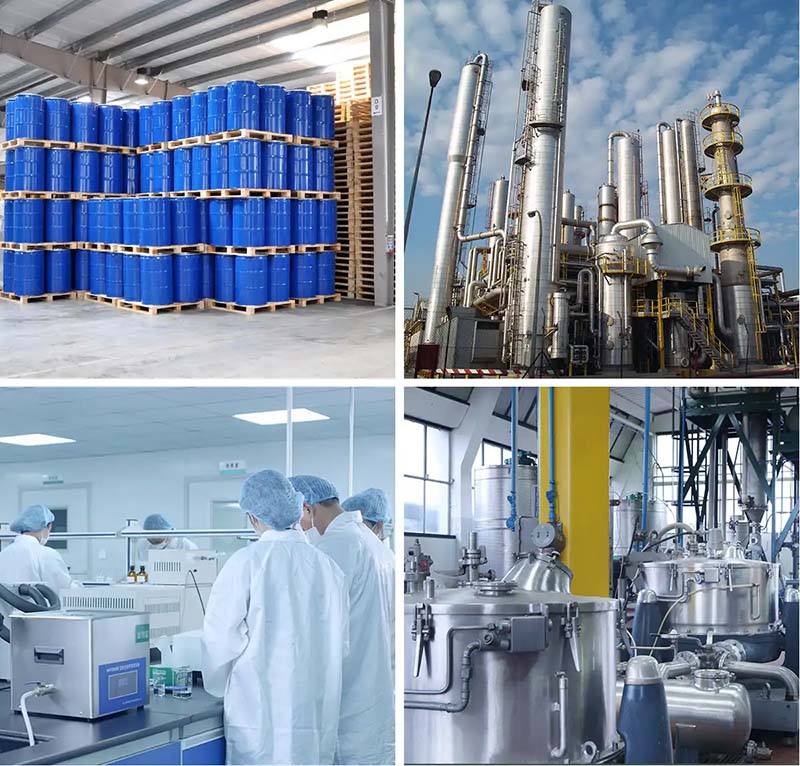
Fact Factory and Equipment Show