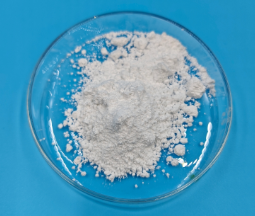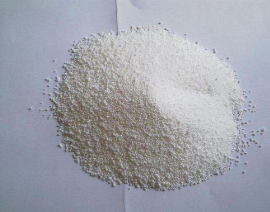
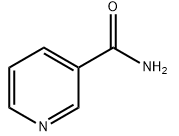

Nicotinamide, also known as niacinamide, is the amide derivative of nicotinic acid. It is a white crystalline solid with high solubility in water and ethanol, slightly soluble in glycerol, and practically insoluble in ether. It is a neutral compound and does not form salts under normal conditions, differing from nicotinic acid which shows acidity. It is stable under ordinary storage conditions, resistant to heat, light and oxidation in neutral and weakly aqueous solutions. It will not hydrolyze easily at room temperature. Under strong acidic or strong alkaline conditions and heating, it can be hydrolyzed to nicotinic acid. It does not absorb moisture readily under normal humidity, but it is hygroscopic at high relative humidity. It does not react with most cosmetic raw materials, and has good compatibility with various active ingredients, surfactants and thickeners. It is not easily decomposed during conventional cosmetic production processes.
Application of Nicotinamide
Nicotinamide is a water-soluble B complex vitamin which is naturally present in animal products, whole cereals and legumes. Together with nicotinic acid (niacin), it belongs to vitamin B3 or vitamin PP, and is required as a nutrient to prevent the niacin deficiency disorder pellagra. It functions as a coenzyme or cosubstrate in many biological reduction and oxidation reactions required for energy metabolism in mammalian systems. It is used as a nutritional supplement, therapeutic agent, skin and hair conditioning agent in cosmetics, and a constituent of consumer household solvent and cleaning products and paints. Nicotinamide is approved for use by the FDA as a food additive to enrich corn meal, farina, rice, and macaroni and noodle products. It is also affirmed as GRAS (Generally Recognized as Safe) by the FDA as a direct human food ingredient which includes its use in infant formula. It is approved for use in pesticide products applied to growing crops only as a synergist with a maximum limitation of 0.5% of formulation.Niacinamide is a nutrient and dietary supplement that is an available form of niacin. Nicotinic acid is pyridine beta-carboxylic acid and nicotinamide, which is another term for niacinamide, is the corresponding amide. It is a powder of good water solubility, having a solubility of 1 g in 1 ml of water. Unlike niacin, it has a bitter taste; the taste is masked in the encapsulated form. Used in fortification of cereals, snack foods, and powdered beverages. niacinamide is used as a skin stimulant and skin smoother. Niacinamide USP is used as food additive, for multivitamin preparations and as intermediate for pharmaceuticals and cosmetics.Niacin is used in the treatment of niacin deficiency, which is referred to as pellagra (from the Italian, pelle for “skin” and agra for “dry”). The major systems affected are the gastrointestinal tract (diarrhea, enteritis and stomatitis), the skin (dermatitis), and the CNS (generalized neurological deficits including dementia). Pellagra has become a rare condition in the United States and other countries that require or encourage enrichment of wheat flour or fortification of cereals with niacin. Because the nucleotide form can be synthesized in vivo from tryptophan, pellagra is most often seen in areas where the diet is deficient in both niacin and tryptophan. Typically, maize (corn)-based diets meet this criteria. Niacin deficiency can also result from diarrhea, cirrhosis, alcoholism, or Hartnup disease. It is interesting that niacin deficiency can also, rarely, result from vitamin B6 deficiency (see Vitamin B6 section). Niacin, but not niacinamide, is also one of the few vitamins that are useful in the treatment of diseases unrelated to deficiencies.| Nicotinamide Chemical Properties |
| Melting point | 128-131 °C(lit.) |
| Boiling point | 150-160 °C |
| density | 1.40 |
| bulk density | 360kg/m3 |
| vapor density | 4.22 (vs air) |
| vapor pressure | 0Pa at 25℃ |
| refractive index | 1.4660 (estimate) |
| Fp | 182 °C |
| storage temp. | 2-8°C |
| solubility | 691g/l |
| pka | 3.3(at 20℃) |
| form | powder |
| color | white |
| PH | 6.0-7.5 (50g/l, H2O, 20℃) |
| Odor | Odorless |
| PH Range | 9 |
| biological source | synthetic (organic) |
| Water Solubility | 1000 g/L (20 ºC) |
| Decomposition | >=200 °C |
| Merck | 14,6523 |
| BRN | 383619 |
| Henry's Law Constant | 3.4×10⁶ mol/(m3Pa) at 25℃, HSDB (2015) |
| BCS Class | 1 |
| Stability: | Stable. Incompatible with strong oxidizing agents. |
| Major Application | cell analysis |
| Cosmetics Ingredients Functions | SMOOTHING |
| Cosmetic Ingredient Review (CIR) | Nicotinamide (98-92-0) |
| InChI | 1S/C6H6N2O/c7-6(9)5-2-1-3-8-4-5/h1-4H,(H2,7,9) |
| InChIKey | DFPAKSUCGFBDDF-UHFFFAOYSA-N |
| SMILES | NC(=O)c1cccnc1 |
| LogP | -0.38 at 21℃ |
| CAS DataBase Reference | 98-92-0(CAS DataBase Reference) |
| NIST Chemistry Reference | Niacinamide(98-92-0) |
| EPA Substance Registry System | Nicotinamide (98-92-0) |
| Safety Information |
| Hazard Codes | Xi,T,F |
| Risk Statements | 36/37/38-39/23/24/25-23/24/25-11 |
| Safety Statements | 26-36-37/39-45-36/37-16-7 |
| RIDADR | UN1230 - class 3 - PG 2 - Methanol, solution |
| WGK Germany | 1 |
| RTECS | QS3675000 |
| F | 8 |
| Autoignition Temperature | 480 °C |
| TSCA | TSCA listed |
| HS Code | 29362990 |
| Storage Class | 11 - Combustible Solids |
| Hazard Classifications | Eye Irrit. 2 |
| Hazardous Substances Data | 98-92-0(Hazardous Substances Data) |
| Toxicity | LD50 s.c. in rats: 1.68 g/kg (Brazda, Coulson) |
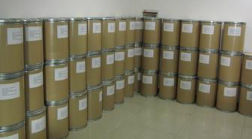
Fact Factory and Equipment Show