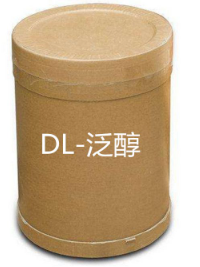
Panthenol #CAS16485-10-2
CAS Number:16485-10-2
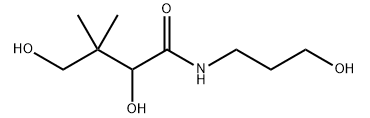
Chemical Formula:C9H19NO4
Synonyms:
2,4-dihydroxy-N-(3-hydroxypropyl)-3,3-dimethyl-,(+-)-Butanamide
4-dihydroxy-n-(3-hydroxypropyl)-3,3-dimethyl-(+-)-butanamid
DL-PANTOTHENYLOL
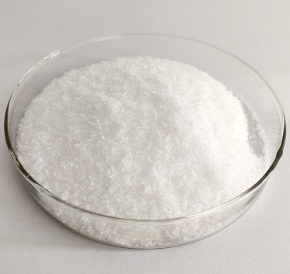
Appearance:White to Off-White
MOQ (Minimum Order Quantity): 1 FCL (Full Container Load)
Panthenol #CAS16485-10-2
D-Panthenol is the alcohol form of pantothenic acid, also known as provitamin B5. It is readily soluble in water, ethanol and propylene glycol, and slightly soluble in ether. It shows weak alkalinity in aqueous solution. It is stable under neutral and weakly acidic conditions, while it will degrade gradually under strong alkaline or high-temperature long-term heating conditions. It has good heat resistance in normal cosmetic processing temperature range. It is not easy to be destroyed by oxidation under conventional storage and packaging. It has excellent compatibility with most cosmetic raw materials, such as surfactants, moisturizers, plant extracts and preservatives. It is hygroscopic, and can absorb moisture from the air. It will convert into pantothenic acid in living tissues to play the biological function of vitamin B5.
Application of Panthenol
Panthenol, the active form of panthenol, is enzymatically cleaved to form pantothenic acid (Vitamin B5), which is an essential component of Coenzyme A that acts as a cofactor in many enzymatic reactions that are important for protein metabolism in the epithelium.Due to its good penetration and high local concentrations, dexpanthanol is used in many topical products, such as ointments and lotions for treatment of dermatological conditions to relieve itching or promote healing. Dermatological effects of the topical use of dexpanthenol include increased fibroblast proliferation and accelerated re-epithelialization in wound healing. Furthermore, it acts as a topical protectant, moisturizer, and has demonstrated anti-inflammatory properties. The vitamin ingredient Panthenol is valued in skin and hair care applications for its moisturizing properties. It has anti-inflammatory effects and soothes irritated and sensitive skin. For hair care application it is known for its humectant properties and its ability to improve the resistance of hair to mechanical stress.vitamin B5 precursor, radioprotectant, antimalarial
panthenol (pro-vitamin B5) acts as a penetrating moisturizer. Panthenol appears to stimulate cellular proliferation and aid in tissue repair. Studies indicate that when topically applied, panthenol penetrates the skin and gets converted into pantothenic acid, a B complex vitamin. Such action could possibly influence the skin’s natural resources of pantothenic acid. It imparts a nonirritant, non-sensitizing, moisturizing, and conditioning feel and promotes normal keratinization and wound-healing. Panthenol protects the skin against sunburn, provides relief for existing sunburn, and enhances the natural tanning process. Panthenol’s humectant character enables it to hold water in the product or attract water from the environment, resulting in a moisturizing effect. It enhances skin suppleness, and claims are that it also acts as an anti-inflammatory agent. It is considered a non-comedogenic raw material.
DL-Panthenol is used in the topical treatment of skin disorders, such as minor irritations and skin burns. Also used in the strengthening and treatment of hair.
| Panthenol Chemical Properties |
| Melting point | 66-69 °C (lit.) |
| alpha | 0°(c=5, H2O) |
| Boiling point | 118-120 °C(Press: 0.02 Torr) |
| density | 1.166±0.06 g/cm3(Predicted) |
| vapor pressure | 0.004Pa at 25℃ |
| storage temp. | Inert atmosphere,Room Temperature |
| solubility | Acetonitrile (Slightly), DMSO (Slightly), Methanol (Slightly) |
| pka | 13.03±0.20(Predicted) |
| form | Solid |
| color | White to Off-White |
| Water Solubility | Soluble in water, ethanol, ether, chloroform, and propylene glycol. |
| Sensitive | Hygroscopic |
| Merck | 14,2947 |
| BRN | 1724945 |
| Cosmetics Ingredients Functions | HAIR CONDITIONING ANTISTATIC SKIN CONDITIONING |
| Cosmetic Ingredient Review (CIR) | Panthenol (16485-10-2) |
| InChI | 1S/C9H19NO4/c1-9(2,6-12)7(13)8(14)10-4-3-5-11/h7,11-13H,3-6H2,1-2H3,(H,10,14) |
| InChIKey | SNPLKNRPJHDVJA-UHFFFAOYSA-N |
| SMILES | CC(C)(CO)C(O)C(=O)NCCCO |
| LogP | -1.02 at 22℃ |
| CAS DataBase Reference | 16485-10-2(CAS DataBase Reference) |
| EPA Substance Registry System | Butanamide, 2,4-dihydroxy-N-(3-hydroxypropyl)-3,3-dimethyl- (16485-10-2) |
| Safety Information |
| Hazard Codes | Xn |
| Risk Statements | 36/37/38-48-41-37/38-20/21/22 |
| Safety Statements | 26-37-45-36/37/39-22 |
| WGK Germany | 3 |
| RTECS | ES4316500 |
| F | 3 |
| TSCA | TSCA listed |
| HS Code | 29362400 |
| Storage Class | 11 - Combustible Solids |
| Toxicity | mouse,LD50,intraperitoneal,10100mg/kg (10100mg/kg),Farmaco, Edizione Scientifica. Vol. 14, Pg. 43, 1959. |
Fact Factory and Equipment Show