

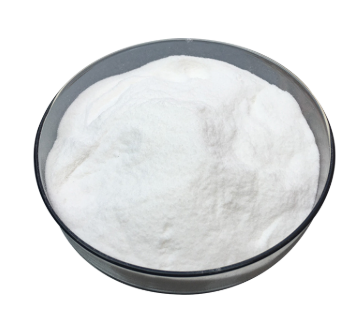
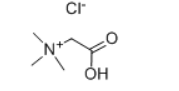
Betaine hydrochloride #CAS: 590-46-5
Chemical Formula:C5H12ClNO2
Synonyms:
Betaine Hydrochloride, AR
acidolhydrochloride
Acidol-Pepsin
Appearance:Colorless to white
MOQ (Minimum Order Quantity): 1 FCL (Full Container Load)
Betaine hydrochloride #CAS: 590-46-5
Betaine hydrochloride is a vitamin-like substance that is a source of hydrochloric acid and aids the production of stomach acid. Gastric acid also helps protect the gastrointestinal tract from harmful bacteria. A normal level of gastric acid in the stomach—100,000-1,000,000 times more acidic than water—is sufficient to destroy bacteria, but some people produce deficient amounts of stomach acid, a condition that may lead to bacterial and parasitic infections of the intestines.
One study showed that fasting people with normal gastric acid levels in the stomach had almost no bacteria in the small in- testine, while individuals with low levels of hydrochloric acid had some bacterial colonization in the stomach.Betaine hydrochloride is therefore recommended by some medical practitioners to sustain a healthy and normal production of stomach acid, especially to those that suffer from disorders such as allergies and asthma.Betaine hydrochloride is a synthesized chemical, and is not obtained from any plant or animal source. Gastric acid is produced by stomach cells, and is not available from any food source. Occasionally, betaine (C5H11NO2 )is recommended to reduce blood levels of homocysteine, which is associated with heart disease. This form of betaine is different from betaine hydrochlo- ride, and is available only with a doctor’s prescription.
Applicaion of Betaine hydrochloride
Betaine is used as gastric acidifier.naturopaths have long held that low stomach acid is a widespread problem that interferes with the digestion and absorption of nutrients. Betaine hydrochloride is one of the most common recommendations for this condi- tion. It helps make some minerals and other nutrients more absorbable, and may be especially helpful with nu- tritional supplements, which are often taken in tablets or capsules that may not be easily digested.
Betaine hydrochloride can be used as antiarteriosclerotic, hypolipaemic, hepatoprotectant.
| Betaine hydrochloride Chemical Properties |
| Melting point | 241-242 °C(lit.) |
| density | 1.29[at 20℃] |
| vapor pressure | 0Pa at 25℃ |
| FEMA | 4223 | BETAINE |
| storage temp. | room temp |
| solubility | H2O: 1 M at 20 °C, clear, colorless |
| form | Powder or Crystals |
| color | Colorless to white |
| PH | 1 (50g/l, H2O, 20℃) |
| biological source | synthetic (organic) |
| Water Solubility | 64.7 g/100 mL (25 ºC) |
| Merck | 14,1179 |
| BRN | 3916181 |
| InChI | 1S/C5H11NO2.ClH/c1-6(2,3)4-5(7)8;/h4H2,1-3H3;1H |
| InChIKey | HOPSCVCBEOCPJZ-UHFFFAOYSA-N |
| SMILES | [Cl-].C[N+](C)(C)CC(O)=O |
| LogP | -4.93 |
| CAS DataBase Reference | 590-46-5(CAS DataBase Reference) |
| NIST Chemistry Reference | Betaine hydrochloride(590-46-5) |
| EPA Substance Registry System | Betaine hydrochloride (590-46-5) |
| Safety Information |
| Hazard Codes | Xi,Xn |
| Risk Statements | 36-36/37/38-20/21/22 |
| Safety Statements | 26-39-24/25-36 |
| WGK Germany | 3 |
| RTECS | BP3136000 |
| F | 3-10 |
| Autoignition Temperature | 400 °C |
| TSCA | TSCA listed |
| HS Code | 29239000 |
| Storage Class | 11 - Combustible Solids |
| Hazard Classifications | Eye Dam. 1 |
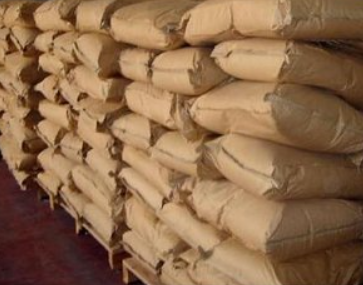
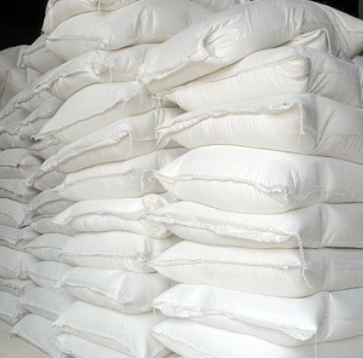
Fact Factory and Equipment Show



