Construction Grade Cellulose Ether
CAS Number: 9004-65-3 (Hydroxypropyl Methyl Cellulose)
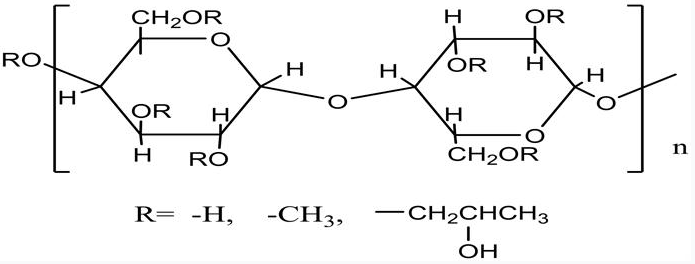
Chemical Formula: [C₆H₇O₂(OH)₃₋ₓ₋ᵧ(OCH₃)ₓ(OCH₂CH(OH)CH₃)ᵧ]ₙ
Synonyms: HPMC, Hypromellose, Hydroxypropyl Methyl Cellulose
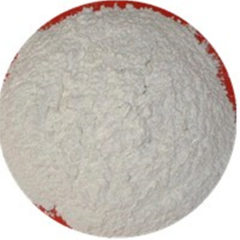
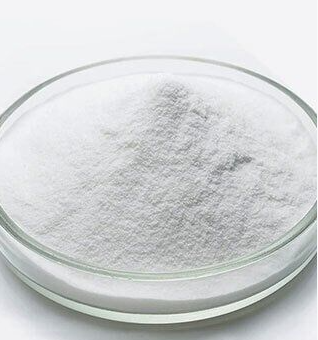
Appearance: White or off-white powder
MOQ (Minimum Order Quantity): 1 FCL (Full Container Load)
Construction Grade Cellulose Ether #CAS9004-65-3 (Hydroxypropyl Methyl Cellulose)
Construction Grade Cellulose Ether, commonly known as HPMC or Hydroxypropyl Methyl Cellulose, is a non-ionic water-soluble cellulose ether manufactured by taking high-purity natural cotton pulp or wood cellulose as raw material and undergoing alkalization, etherification, washing, drying and milling processes. It is an indispensable core functional additive in the global dry-mix mortar industry. Once dissolved in water, it forms a transparent and stable viscous colloidal system. Its long-chain molecular structure can capture and lock free water inside the mortar matrix, effectively slowing down the rapid loss of water caused by high-temperature environments, strong wind or highly absorbent substrates such as aerated blocks and porous bricks. Sufficient retained water provides a stable hydration environment for cement, gypsum and other hydraulic binders, preventing premature dehydration, surface chalking, insufficient hydration, hollowing, shrinkage cracks and poor bonding strength, which are frequent construction defects on site. Our HPMC series features stable viscosity, controllable dissolution rate, low insoluble residue and consistent batch-to-batch quality, which can greatly reduce the fluctuation risk of finished mortar products for dry-mix manufacturers.
This product possesses excellent alkali resistance, thermal stability and additive compatibility, and delivers outstanding thixotropic and lubricating properties that greatly upgrade the overall workability of mortar. In manual troweling, scraping and mechanical spraying applications, it endows fresh mortar with good plasticity and smooth sliding performance, lowering construction resistance and improving construction efficiency. Meanwhile, it builds up instant anti-sag strength after being applied on vertical surfaces, effectively stopping mortar from sliding, sagging and flowing down before hardening. It can be compounded with redispersible polymer powder, water reducer, defoamer, air-entraining agent and other common mortar additives without flocculation or adverse chemical reactions. Multiple viscosity grades from low to high are available to match diversified formulation demands, including tile adhesive, wall putty, gypsum plaster, self-leveling compound, exterior thermal insulation mortar, waterproof mortar and decorative render. It works at a very low addition dosage, helping formulators optimize cost structure while maintaining stable and reliable final performance of mortar.
Applicaion of Construction Grade Cellulose Ether
It is the key functional additive for cement-based tile adhesives, especially high-standard adhesives for large-format tiles, thin porcelain tiles, sintered stone and heavy natural stone. It prolongs the open time and correction time for tile positioning, allowing workers to adjust tile alignment for a longer period after spreading mortar. Its powerful anti-slip and anti-sagging capacity keeps heavy tiles from slipping down on vertical walls. The reliable water retention property avoids rapid water draining from mortar into porous substrates, ensuring cement hydration proceeds fully and steadily, so that the adhesive can reach designed tensile and shear bonding strength. It helps tile adhesives meet the requirements of C1, C2, S1 and S2 performance grades, widely used in interior and exterior wall tiling, kitchen and bathroom renovation, and commercial facade tiling projects.
It is widely used in interior and exterior wall putty, skim coat, cement plaster and gypsum-based plastering mortar. For putty systems, it improves scraping smoothness, reduces drag marks, makes the finished surface delicate and uniform, and lowers the probability of cracking and powder falling after drying. For gypsum plaster, it regulates the setting and hardening rhythm, prevents quick drying and surface crusting, and avoids uneven curing. It also strengthens the adhesion between putty and base walls, improves the compatibility with topcoat latex paint, and reduces subsequent paint film cracking, blistering and peeling. It is highly suitable for residential decoration, commercial building renovation and large-scale municipal wall finishing projects.
It acts as rheology modifier and water-retaining agent for external thermal insulation composite systems, concrete repair mortar, cementitious grout, waterproof mortar and architectural decorative render. For machine-sprayed thermal insulation mortar, it optimizes pumpability, stabilizes slurry consistency during long-distance pumping and reduces pipe blockage. In repair and waterproof mortar, it improves compactness, impermeability and long-term durability of the hardened layer. For decorative render and cultural stone mortar, it helps form uniform texture and consistent color, and reduces the risk of color difference and surface crazing. It can also be applied in joint filler, caulking mortar and self-leveling floor compound to optimize flow property, leveling effect and surface finish.
This product is non-dangerous goods for transportation. It is packed in 25kg paper-plastic composite bags or kraft valve bags. Store in a cool, dry and well-ventilated warehouse, strictly away from moisture, rain and humid environment. Keep packages tightly sealed after opening to prevent moisture absorption and agglomeration. Avoid direct contact with water during storage and handling. We recommend premixing with other powder fillers before adding into water for better dispersion. A small-scale compatibility test with your raw materials is suggested before formal mass production.
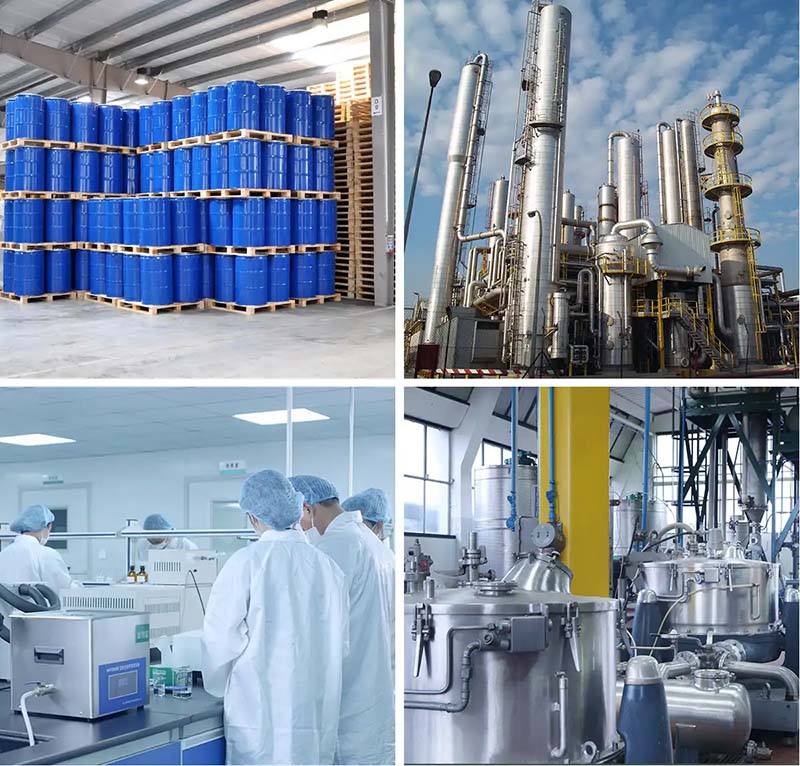
Fact Factory and Equipment Show