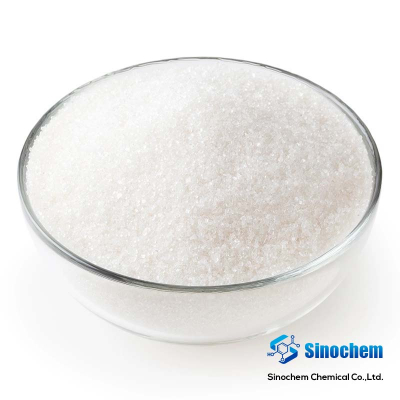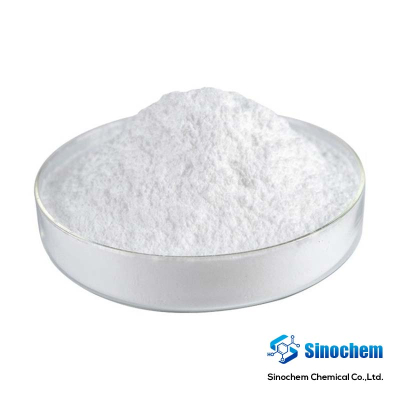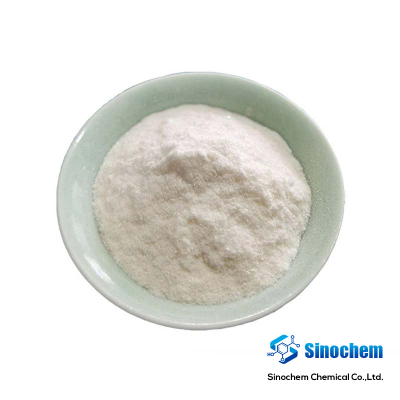
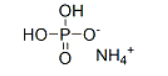
Monoammonium Phosphate #CAS:7722-76-1
CAS Number:7722-76-1
Chemical Formula:H6NO4P
Synonyms:
ammoniumdiacidphosphate
Ammonium Hydrogen Monohydric Phosphate
ammoniumphosphate(nh4h2po4)
Appearance:White or colorless Solid
MOQ (Minimum Order Quantity): 1 FCL (Full Container Load)
Monoammonium Phosphate #CAS:7722-76-1
Ammonium dihydrogen phosphate (ADP) is a transparent, piezoelectric crystal containing no water of crystallization. Single crystals of this material were originally developed for use in underwater sound projectors and hydrophones.
Transducer problems during World War II fostered a joint study program on this material by Bell Telephone Laboratories, Brush Development Company and the Naval Research Laboratories. An adequate and relatively simple technology was developed in this joint effect to grow ADP crystals and to fabricate them into sonar transducers. ADP is comparable to ordinary table salt in workability, brittleness and solubility. Blumenthal was one of the first investigators to demonstrate the successful microwave modulation of light by using the electrooptic effect in ADP.
Ammonium dihydrogen phosphate is a colorless transparent tetragonal crystal. soluble in water, slightly soluble in alcohol, insoluble in acetone.Ammonium dihydrogen phosphate or monoammonium phosphate is formed when a solution of phosphoric acid is added to ammonia until the solution is distinctly acid. It crystallizes in quadratic prisms. Monoammonium phosphate is often used in the blending of dry agricultural fertilizers. It supplies soil with the elements nitrogen and phosphorus in a form which is usable by plants. The compound is also a component of the ABC powder in some dry powder fire extinguishers.
Application of Monoammonium Phosphate
Monoammonium phosphate (MAP) is a widely used source of P and N. It is made of two constituents common in the fertilizer industry and has the highest P content of any common solid fertilizer.
MAP has been an important granular fertilizer for many years. It is water soluble and dissolves rapidly in soil if adequate moisture is present. Upon dissolution, the two basic components of the fertilizer separate again to release NH4 + and H2PO4 - . Both of these nutrients are important to sustain healthy plant growth. The pH of the solution surrounding the granule is moderately acidic, making MAP an especially desirable fertilizer in neutral and high pH soils. Agronomic studies show that there is no significant difference in P nutrition from various commercial P fertilizers under most conditions.
Leavening agent, dough regulator, yeast food, brewing fermentation additives and buffer in the food industry.
Animal feed additives.
Nitrogen and phosphorus compound fertilizer with highly efficient.
Fire retardant for wood, paper, fabric, dispersant for fiber processing and dyeing industry, glaze for enamel, cooperating agent for fire retardant coating, decontamination agent for match stalk and candle core.
In indurstis of printing plate and pharmaceutical manufacturing.
| Ammonium dihydrogen phosphate Chemical Properties |
| Melting point | 190 °C (dec.) (lit.) |
| Boiling point | 87.4 °C |
| density | 1.02 g/mL at 20 °C |
| bulk density | 800-1100kg/m3 |
| vapor pressure | 0.066 hPa (125 °C) |
| RTECS | TC6587000 |
| refractive index | 1.525 |
| storage temp. | Inert atmosphere,Room Temperature |
| solubility | H2O: 0.1 M at 20 °C, clear, colorless |
| form | Solid |
| color | White or colorless |
| Specific Gravity | 1.803 |
| Odor | brilliant wh. cryst. or powd., odorless |
| PH Range | 3.8 - 4.4 |
| PH | 3.8-4.4 (25℃, 50mg/mL in H2O) |
| Water Solubility | 368 g/L (20 ºC) |
| λmax | λ: 260 nm Amax: ≤0.059 λ: 280 nm Amax: ≤0.050 |
| Merck | 14,543 |
| Cosmetics Ingredients Functions | BUFFERING ORAL CARE |
| Cosmetic Ingredient Review (CIR) | Ammonium dihydrogen phosphate (7722-76-1) |
| InChI | 1S/H3N.H3O4P/c;1-5(2,3)4/h1H3;(H3,1,2,3,4) |
| InChIKey | LFVGISIMTYGQHF-UHFFFAOYSA-N |
| SMILES | N.OP(O)(O)=O |
| LogP | -2.148 (est) |
| CAS DataBase Reference | 7722-76-1(CAS DataBase Reference) |
| EPA Substance Registry System | Monoammonium phosphate (7722-76-1) |
| Safety Information |
| Hazard Codes | Xi |
| Risk Statements | 36/37/38 |
| Safety Statements | 24/25-36-26 |
| RIDADR | UN3264 |
| WGK Germany | 1 |
| TSCA | TSCA listed |
| HazardClass | 8 |
| PackingGroup | III |
| HS Code | 31054000 |
| Storage Class | 11 - Combustible Solids |
| Hazardous Substances Data | 7722-76-1(Hazardous Substances Data) |
| Toxicity | LD50 orally in Rabbit: 5750 mg/kg LD50 dermal Rabbit > 7940 mg/kg |
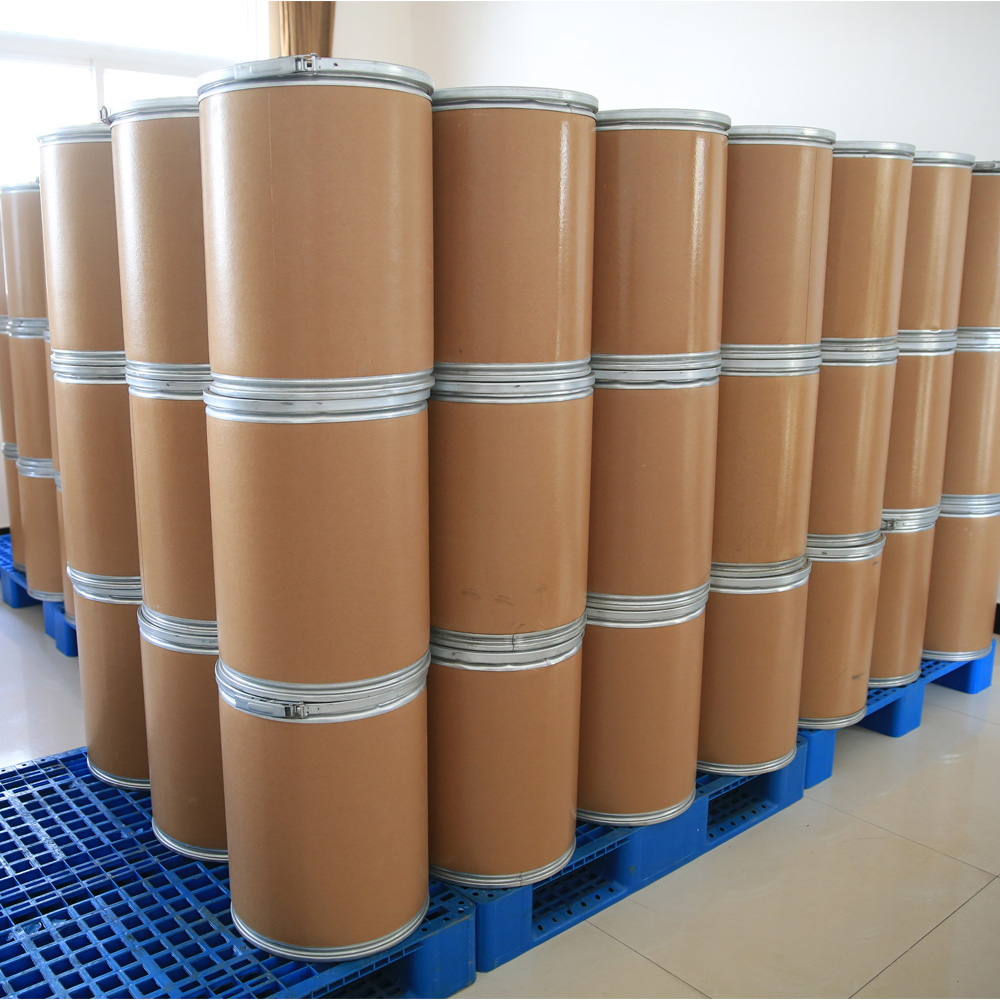
Fact Factory and Equipment Show