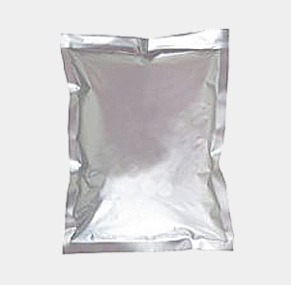
Zinc carbonate #CAS3486-35-9
CAS Number:3486-35-9
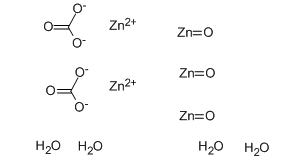
Chemical Formula:CO3Zn
Synonyms:
c.i.77950;Carbonicacid,zincsalt(1:1);Zinccarbonatehydroxidehydrate,ReagentGrade;
ZINC CARBONATE, 99.99%;ZINCCARBONATEBASIC,POWDER,REAGENT;Zinkcarbonat;
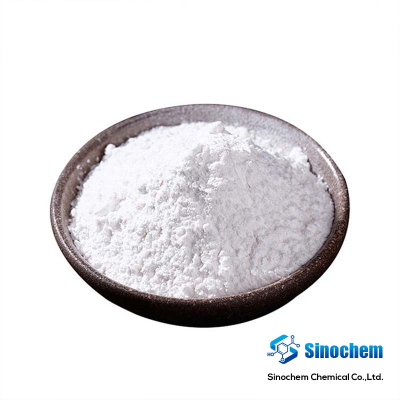
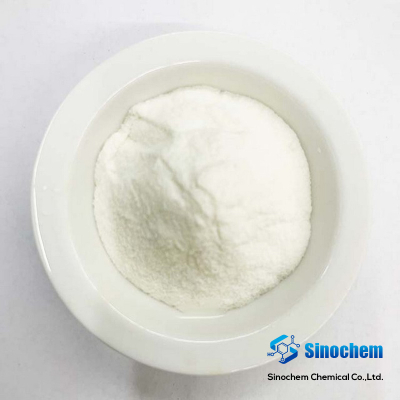
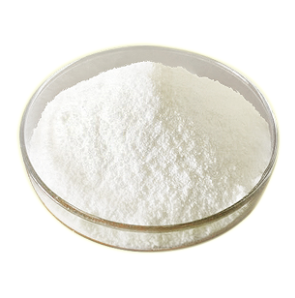
Zinc Carbonate, Powder;carbonuredezincAppearance:White Solid
MOQ (Minimum Order Quantity): 1 FCL (Full Container Load)
Zinc carbonate #CAS3486-35-9
Zinc carbonate (CAS 3486-35-9), naturally occurring as the mineral smithsonite, is an inorganic zinc salt presented as an odorless, fine white crystalline powder that is nearly insoluble in water but readily soluble in dilute acids with the release of carbon dioxide. It will undergo thermal decomposition upon heating to generate zinc oxide and carbon dioxide, which makes it a favorable precursor material for preparing high-activity zinc oxide in many industrial processes.
As a multi-functional inorganic additive, it finds wide applications across rubber, plastic, coating, pharmaceutical, feed, ceramic, petroleum and catalyst industries. In the rubber sector, it acts as an efficient vulcanization activator; compared with conventional zinc oxide, it can achieve more uniform vulcanization and maintain good transparency for clear rubber and latex products, improving tensile strength, elasticity and wear resistance of rubber goods such as rubber tubes, sealing strips, latex gloves and conveyor belts. In plastic formulations, especially calcium-zinc stabilized PVC systems, it serves as an auxiliary heat stabilizer and smoke-suppressing flame-retardant filler, capable of absorbing hydrogen chloride released during PVC thermal degradation, delaying thermal aging and discoloration, and lowering smoke density during combustion, which is suitable for non-toxic PVC films, toys, medical plastic parts and pipe materials.
In paints and anti-corrosion coatings, it functions as a white functional pigment and corrosion inhibitor, endowing coating films with certain hiding power, weather resistance and rust-proof performance, and can cooperate with other anti-rust pigments to slow down metal oxidation. In the pharmaceutical and personal care fields, it is an important raw material for calamine preparations and topical ointments, delivering mild astringent and protective effects for skin care formulations. It is also adopted as a trace zinc supplement in animal feed to satisfy the zinc nutrient demand of livestock and poultry. For petroleum exploration, it works as a hydrogen sulfide scavenger in drilling fluids to remove toxic H₂S gas and reduce pipeline corrosion. Besides, it is used as a raw material for producing various zinc salts, ceramic glaze additives, textile fireproofing fillers, and catalyst carriers for organic synthesis. Thanks to its low toxicity, stable chemical property and versatile functionality, zinc carbonate has become an essential inorganic additive for numerous environmentally friendly industrial formulations.
Applicaion of Zinc carbonate
Zinc carbonate is a versatile inorganic zinc compound with broad industrial applications spanning rubber, plastics, coatings, pharmaceuticals, animal feed, ceramics, petroleum and fine chemical sectors. In the rubber industry, it serves as an excellent vulcanization activator for natural rubber and synthetic rubber. It decomposes gradually during vulcanization to release fine zinc oxide in-situ, which achieves more uniform dispersion than directly added zinc oxide, promotes cross‑linking reactions effectively, enhances the tensile strength, elasticity and abrasion resistance of rubber products, and is particularly suitable for transparent latex and light‑colored rubber articles such as latex gloves, rubber hoses, sealing strips and medical rubber parts.
In PVC processing, it is widely used in calcium‑zinc composite stabilizer systems as an auxiliary heat stabilizer. It can absorb hydrogen chloride generated by PVC thermal decomposition, suppress yellowing and degradation of resin at high processing temperatures, and bring smoke suppression and flame retardant effects, making it fit for environmentally friendly non‑toxic PVC films, toys, food‑contact plastic products and pipe fittings. In anti‑corrosion paints and coatings, it acts as a functional white pigment and rust inhibitor. It provides moderate hiding power, improves the weather resistance of coating films, and synergizes with other anti‑rust pigments to form a protective barrier on metal substrates and slow down electrochemical corrosion. In the pharmaceutical industry, it is a key raw material for preparing calamine lotion and external skin ointments, offering astringent, soothing and protective effects for irritated skin.
It is also used as a safe trace zinc source additive in animal feed to meet the zinc nutritional requirement of livestock and poultry, boost immunity and improve growth performance. In oilfield drilling, it functions as a hydrogen sulfide scavenger in water‑based drilling fluids to capture toxic hydrogen sulfide, reduce the corrosion risk of drilling equipment and ensure operation safety. Moreover, it is an important starting material for manufacturing various zinc salts, zinc oxide and zinc‑based catalysts. It can be added into ceramic glazes to adjust glaze melting property and surface gloss, and used as a flame‑retardant and filling additive in textile treatment. Its advantages of low toxicity, mild reactivity and multi‑functionality make zinc carbonate a highly practical inorganic additive for many green formulation systems.
| Zinc carbonate Chemical Properties |
| Melting point | decomposes [KIR84] |
| density | 4,398 g/cm3 |
| solubility | soluble in dilute acid solutions, alkaline solutions |
| form | Solid |
| color | White |
| Water Solubility | mol/L solution H2O: 1.64×10⁴ (solubility is given at Pco2=0.00032 bar) [KRU93]; soluble dilute acids, alkalies, NH3 solutions [MER06] |
| Specific Heat Capacity | Cp(crystal): 0.64 J/(g·K), at 25℃ |
| Solubility Product Constant (Ksp) | pKsp: 9.94 |
| Dielectric constant | 9.3(Ambient) |
| Stability: | Stable. Incompatible with acids. |
| Cosmetics Ingredients Functions | ASTRINGENT OPACIFYING |
| InChI | InChI=1S/2CH2O3.4H2O.3O.5Zn/c2*2-1(3)4;;;;;;;;;;;;/h2*(H2,2,3,4);4*1H2;;;;;;;;/q;;;;;;;;;;;;2*+2/p-4 |
| InChIKey | LILHXQCLSOZSRO-UHFFFAOYSA-J |
| SMILES | C([O-])([O-])=O.C([O-])([O-])=O.O=[Zn].O=[Zn].O=[Zn].O.O.O.O.[Zn+2].[Zn+2] |
| CAS DataBase Reference | 3486-35-9(CAS DataBase Reference) |
| EPA Substance Registry System | Zinc carbonate (3486-35-9) |
| Safety Information |
| TSCA | TSCA listed |
| Hazardous Substances Data | 3486-35-9(Hazardous Substances Data) |
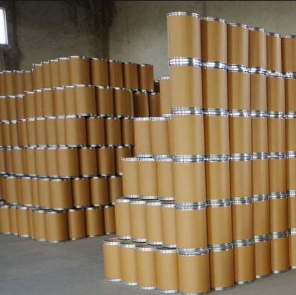
Fact Factory and Equipment Show