Silica glass #CAS10279-57-9
CAS Number:10279-57-9
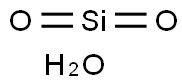
Chemical Formula:H2O3Si
Synonyms:
Precipitated Silica (Rubber Grade)
LUDOX(R) TMA COLLOIDAL SILICA
LUDOX(R) AM-30 COLLOIDAL SILICA
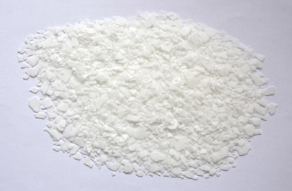
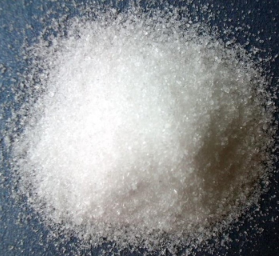
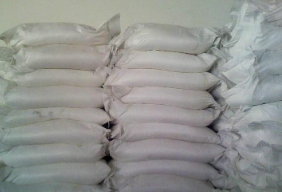
Appearance:White amorphous fine powder or granules, free‑flowing and odourless.
MOQ (Minimum Order Quantity): 1 FCL (Full Container Load)
Silica glass #CAS10279-57-9
It is chemically stable under normal temperature and pressure. It is insoluble in water and most organic solvents, and can slowly dissolve in strong alkaline solutions and hydrofluoric acid. It has high adsorption capacity due to its porous amorphous structure and large specific surface area. It does not decompose at rubber vulcanisation temperature. It is weakly acidic and will not react with most rubber additives under conventional mixing conditions. It is non-flammable and non-explosive. It is easy to absorb moisture in humid air. It should be stored in a dry and ventilated environment and kept away from strong alkalis and hydrofluoric acid.
Application of Silica glass
Rubber grade silica, also known as white carbon black, is an important reinforcing filler for the rubber industry. It can form hydrogen bonding interactions with rubber molecular chains when mixed into natural rubber, styrene-butadiene rubber, nitrile rubber and silicone rubber, which obviously improves the tensile strength, tear resistance, wear resistance and hardness of vulcanized rubber. Compared with carbon black, it can produce light‑coloured and translucent rubber products. It is widely applied in green tyre tread formula; it reduces rolling resistance of tyres, lowers fuel consumption and maintains good wet‑skid resistance, which meets the requirements of low‑carbon and safe tyre development. It is also commonly used for rubber shoes, hoses, sealing strips, rubber rollers and shock‑proof rubber parts to improve the mechanical performance and ageing resistance of finished goods. In rubber compounds, it can adjust the viscosity of the mixture and improve processing behaviour. It has a large specific surface area and strong adsorption capacity, so it can adsorb vulcanizing agents and other additives evenly in the formula. It is non‑toxic and compatible with most rubber raw materials and additives. Apart from rubber, it can be used as a thickening and anti‑caking agent in coatings, adhesives and plastics. This rubber grade silica is only for industrial use and shall not be used in food or feed systems.
| Silica glass Chemical Properties |
| Melting point | 1610 °C(lit.) |
| Boiling point | >100 °C(lit.) |
| density | 2.6 g/mL at 25 °C(lit.) |
| bulk density | 60-600kg/m3 |
| refractive index | n |
| storage temp. | no restrictions. |
| solubility | water: insoluble at 20 °C |
| form | tablets (~0.5 g each) |
| PH | 3.0-8.0 (3.3% in water) |
| Water Solubility | Insoluble in water. |
| Exposure limits | NIOSH: IDLH 3000 mg/m3; TWA 6 mg/m3 |
| Major Application | sample preparation |
| Cosmetics Ingredients Functions | VISCOSITY CONTROLLING ABRASIVE ABSORBENT ANTICAKING OPACIFYING BULKING |
| InChI | InChI=1S/O2Si.H2O/c1-3-2;/h;1H2 |
| InChIKey | LRCFXGAMWKDGLA-UHFFFAOYSA-N |
| SMILES | [Si](=O)=O.O |
| EPA Substance Registry System | Silica, hydrate (10279-57-9) |
| Safety Information |
| Hazard Codes | Xn |
| Risk Statements | 48/20 |
| Safety Statements | 22 |
| WGK Germany | 3 |
| RTECS | VV7340000 |
| F | 3 |
| HS Code | 2811 22 00 |
| Storage Class | 13 - Non Combustible Solids |
| Toxicity | LD50 orally in Rabbit: > 10000 mg/kg LD50 dermal Rabbit > 5000 mg/kg |
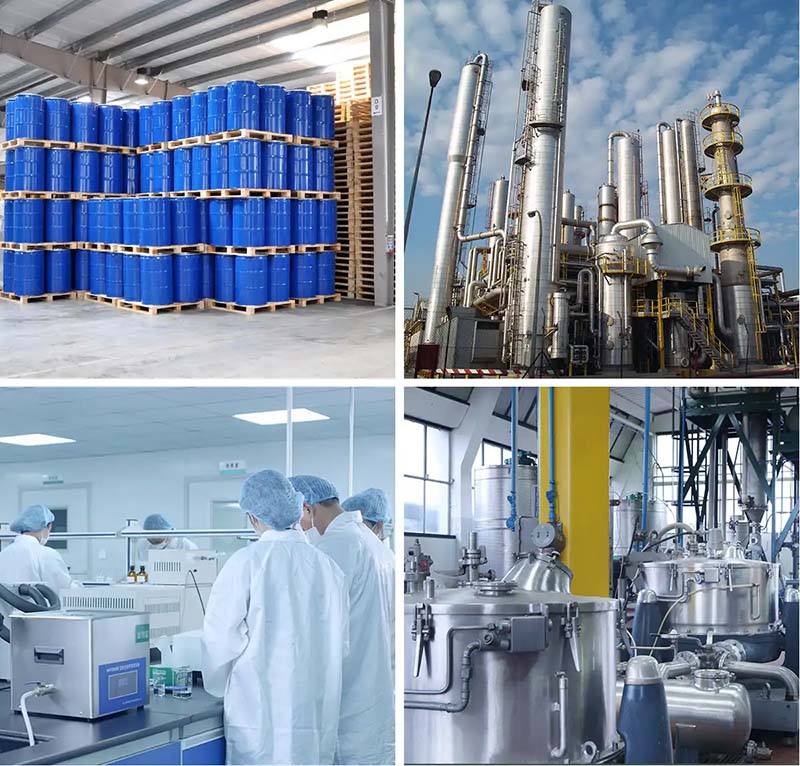
Fact Factory and Equipment Show