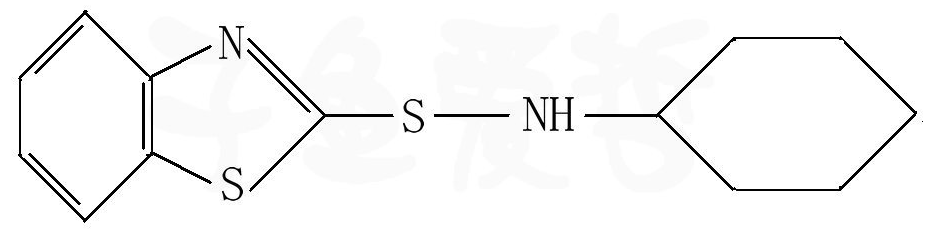


Rubber Accelerator #CAS95-33-0
CAS Number:95-33-0
Chemical Formula:C13H16N2S2
Synonyms:
Vulcanization accelerator
Curing accelerator
Vulcanisation promoter
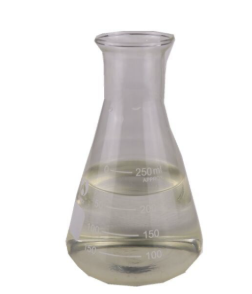
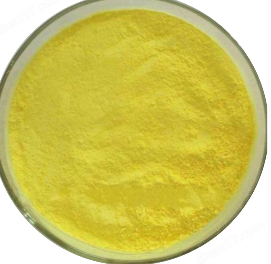
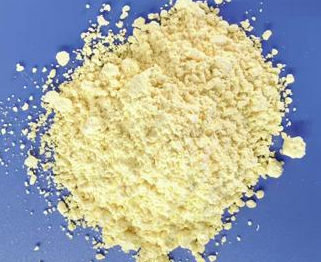
Appearance:Pale Yellow to Light Beige
MOQ (Minimum Order Quantity): 1 FCL (Full Container Load)
Rubber Accelerator #CAS95-33-0
Rubber vulcanisation accelerators are generally stable under normal temperature and dry conditions. Most varieties are slightly soluble in ethanol, acetone and other organic solvents, and insoluble in water. Their chemical properties vary among different types, yet they remain inert to most rubber raw materials under normal storage. They can speed up the cross‑linking reaction between rubber and sulphur at vulcanisation temperature, without participating in the final stable rubber network structure permanently. They are sensitive to strong acids, strong alkalis and high heat. Under excessive heating conditions, decomposition may occur and release irritant gases. Most of them are hygroscopic, and long‑term exposure to humid air will reduce their vulcanisation activity. They have good compatibility with vulcanising agents, activators such as zinc oxide and common rubber fillers. They are incompatible with strong oxidants. Most types are combustible and should be stored in cool, dry and ventilated warehouses, kept away from fire sources, oxidants and acidic substances.
Application of Rubber Accelerator
Rubber vulcanisation accelerator is one of the most essential additives in the rubber industry. Its core function is to greatly increase the reaction rate of sulphur vulcanisation, reduce the required vulcanisation temperature, shorten the vulcanisation time and lower the dosage of sulphur. It helps optimise the vulcanisation process, improve production efficiency and reduce energy consumption during rubber manufacturing. It can improve the crosslinking structure of vulcanised rubber, enhancing the tensile strength, tear resistance, elasticity, hardness and ageing resistance of finished rubber products. Different types of accelerators can be selected to meet diverse processing requirements and product performance targets. It is widely applied in the production of tyres, conveyor belts, rubber hoses, sealing gaskets, rubber rollers, shock-absorbing parts, rubber soles and latex goods. It works well together with vulcanising agents, zinc oxide, stearic acid, carbon black, silica and other common rubber compounding ingredients. Some accelerators can also help adjust the scorch safety of rubber compounds, preventing premature crosslinking during mixing, extrusion and calendering. Apart from rubber vulcanisation, a small number of grades can be used in other polymer curing systems. This product is for industrial rubber use only, and must not be used in food contact, feed or pharmaceutical scenarios.
| N-Cyclohexyl-2-benzothiazolesulfenamide Chemical Properties |
| Melting point | 93-100°C |
| Boiling point | 410.4±28.0 °C(Predicted) |
| density | 1.31~1.34g/cm3 |
| vapor pressure | 0Pa at 25℃ |
| refractive index | 1.5700 (estimate) |
| storage temp. | Keep in dark place,Sealed in dry,Room Temperature |
| solubility | Chloroform (Slightly), DMSO (Slightly), Ethyl Acetatae (Slightly) |
| form | Solid |
| pka | 0.59±0.10(Predicted) |
| color | Pale Yellow to Light Beige |
| Water Solubility | Insoluble |
| InChIKey | DEQZTKGFXNUBJL-UHFFFAOYSA-N |
| LogP | 5 at 25℃ |
| CAS DataBase Reference | 95-33-0(CAS DataBase Reference) |
| EPA Substance Registry System | N-Cyclohexyl-2-benzothiazolesulfenamide (95-33-0) |
| Safety Information |
| Hazard Codes | Xi,N |
| Risk Statements | 36/37/38-50/53-43 |
| Safety Statements | 26-36/37/39-61-60-37-24 |
| RIDADR | 3077 |
| RTECS | DL6250000 |
| TSCA | TSCA listed |
| HS Code | 2934.20.8000 |
| HazardClass | 9 |
| PackingGroup | III |
| Hazardous Substances Data | 95-33-0(Hazardous Substances Data) |
| Toxicity | LD50 oral in rat: 5300mg/kg |
Fact Factory and Equipment Show