
Agar #CAS9002-18-0
CAS Number:9002-18-0
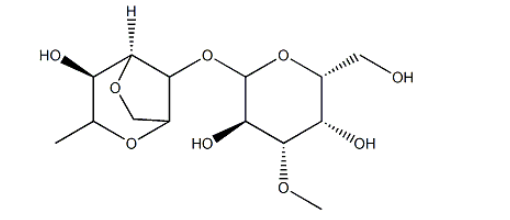
Chemical Formula:C14H24O9
Synonyms:
VEGITONE MACCONKEY AGAR NO 1
MAC CONKEY MUG AGAR
MACCONKEY AGAR WITH MUG
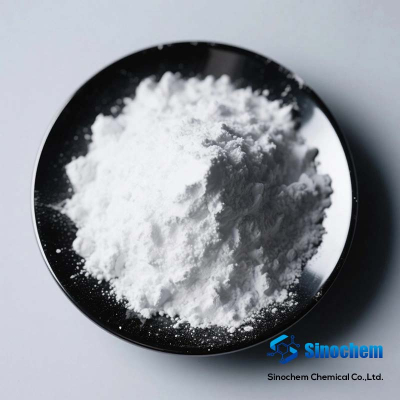
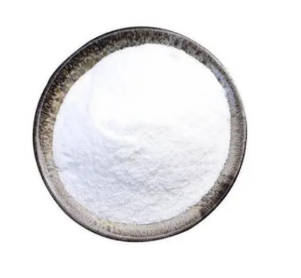
Appearance:Brownish yellow shredded
MOQ (Minimum Order Quantity): 1 FCL (Full Container Load)
Agar #CAS9002-18-0
Agar is a dried, hydrophilic, colloidal polysaccharide complex extracted from the agarocytes of algae of the Rhodophyceae. The structure is believed to be a complex range of polysaccharide chains having alternating a-(1!3) and b-(1!4) linkages. There are three extremes of structure noted: namely neutral agarose; pyruvated agarose having little sulfation; and a sulfated galactan. Agar can be separated into a natural gelling fraction, agarose, and a sulfated nongelling fraction, agaropectin.
Agar is produced by some red algae species (Rhodophyceae), especially Gelidium and Gracilaria. Agar contains two polysaccharides - agarose (agaran) and agaropectin. Agarose consists mainly of D-galactose and the 3,6-anhydro form of L-galactose, with small amounts of D-xylose. Some of the D-galactose units are methylated at C-6. The polymer contains alternatingsegments of α(1~3) linked D-galactose units and β (1~4) linked 3,6-anhydro-L-galactose. The main chains of agaropectin are similar, but contain D-glucuronic acid and small amounts of other sugars, including sulphate esters. Agar is not attacked by microorganisms and its strong gel-forming properties make it an ideal matrix for microbial cultures.
Application of Agar
Agar is the most suited solidifying agent for scientific applications that require incubation temperatures closer to human body temperature. Agar is used as a medium in bacteriology and plant biology, impression material in dentistry, biofertilizer in organic farming, and salt bridges in electrochemistry. It can be used to measure the motility and mobility of microorganism owing to the porous nature of the gel form of an agar or agarose medium.
Substitute for gelatin, isinglass, etc. in making emulsions including photographic, gels in cosmetics, and as thickening agent in foods especially. confectionaries and dairy products; in meat canning; in production of medicinal encapsulations and ointments; as dental impression mold base; as corrosion inhibitor; sizing for silks and paper; in the dyeing and printing of fabrics and textiles; in adhesives. In nutrient media for bacterial cultures.
Agar is a gum obtained from red seaweeds of the genera gelidium, gracilaria, and eucheuma, class rhodophyceae. it is a mixture of the polysaccharides agarose and agaropectin. it is insoluble in cold water, slowly soluble in hot water, and soluble in boiling water, forming a gel upon cooling. the gels are characterized as being tough and brittle, setting at 32–40°c, and melting at 95°c. a rigid, tough gel can be formed at 0.5%. agar mainly functions in gel for- mation because of its range between melting and setting tempera- tures, being used in piping gels, glazes, icings, dental impression material, and microbiological plating. typical use levels are 0.1–2.0%.
| Agar Chemical Properties |
| Melting point | 85-95 °C |
| bulk density | 720kg/m3 |
| FEMA | 2012 | AGAR (GELIDIUM SPP.) |
| storage temp. | room temp |
| solubility | H2O: 1.5% with heat |
| form | shredded |
| color | Brownish yellow |
| Odor | Odorless |
| PH Range | 5 - 7 |
| PH | 6.5-6.8 (1.5% in gel, after autoclaving) |
| Odor Type | bland |
| biological source | synthetic |
| Water Solubility | SOLUBLE IN HOT WATER |
| Sensitive | Moisture Sensitive & Hygroscopic |
| Merck | 14,184 |
| Stability: | Stable. Incompatible with strong oxidizing agents. |
| Major Application | agriculture |
| Cosmetics Ingredients Functions | FRAGRANCE VISCOSITY CONTROLLING BINDING |
| Cosmetic Ingredient Review (CIR) | Agar (9002-18-0) |
| InChI | 1S/C14H24O9/c1-5-8(16)13-11(7(21-5)4-20-13)23-14-10(18)12(19-2)9(17)6(3-15)22-14/h5-18H,3-4H2,1-2H3/t5,6-,7,8-,9+,10-,11,12+,13+,14/m1/s1 |
| InChIKey | GYYDPBCUIJTIBM-DYOGSRDZSA-N |
| SMILES | O1[C@@H]([C@@H]([C@@H]([C@H](C1OC2[C@H]3OCC2OC([C@H]3O)C)O)OC)O)CO |
| CAS DataBase Reference | 9002-18-0(CAS DataBase Reference) |
| EPA Substance Registry System | Agar (9002-18-0) |
| Safety Information |
| Hazard Codes | Xn |
| Risk Statements | 22-36/37/38 |
| Safety Statements | 26-36-24/25 |
| WGK Germany | 2 |
| RTECS | AW7950000 |
| F | 3 |
| TSCA | TSCA listed |
| HS Code | 13023100 |
| Storage Class | 11 - Combustible Solids |
| Hazardous Substances Data | 9002-18-0(Hazardous Substances Data) |
| Toxicity | LD50 orally in Rabbit: 11000 mg/kg |
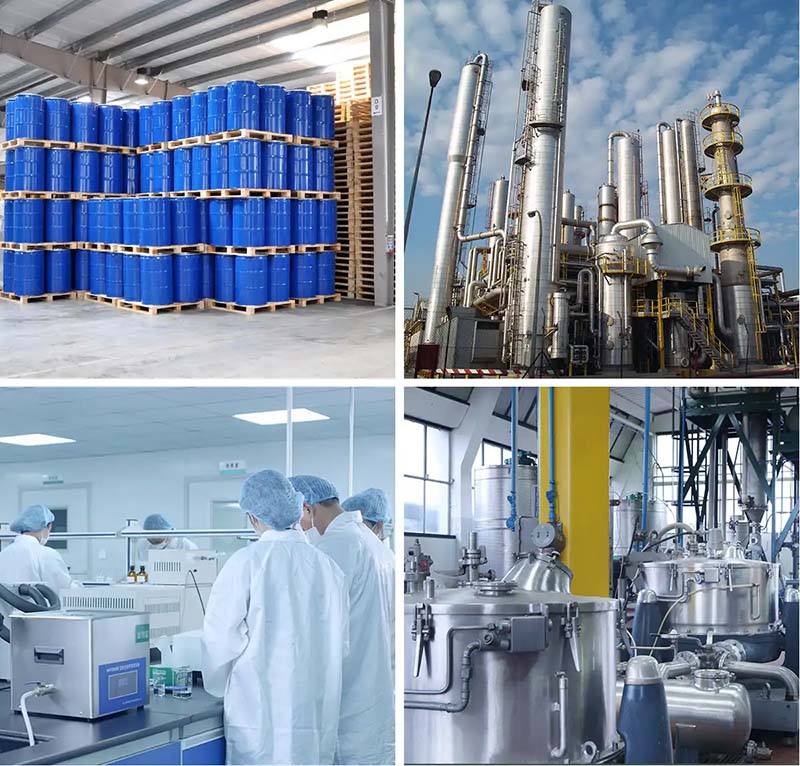
Fact Factory and Equipment Show