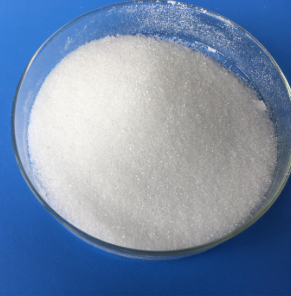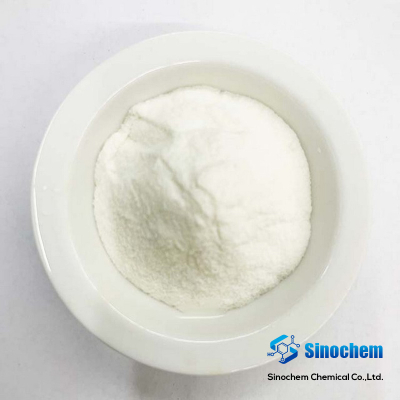
Starch #CAS9005-25-8
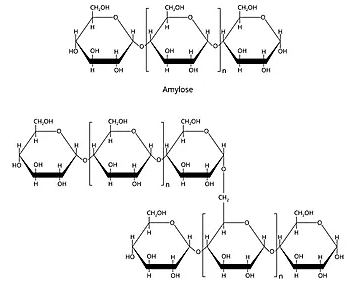
Starch is a polysaccharide mainly composed of amylose and amylopectin, with α-D-glucose as its repeating unit. It is insoluble in cold water and gelatinizes in hot water. It has a characteristic chromogenic reaction with iodine, showing blue color. It is relatively stable at normal temperature and neutral conditions. It can be gradually hydrolyzed into dextrin, maltose and glucose under heating with acid or amylase. A large number of hydroxyl groups on the molecular chain can carry out esterification, etherification, crosslinking and oxidation reactions to produce modified starch. It is resistant to dilute acids and dilute alkalis at room temperature, but strong acids, strong alkalis or high temperature will cause degradation. It is combustible, and starch dust mixed with air may bring dust explosion hazard. It is insoluble in most organic solvents.
Applicaion of Starch
Starch is used in face powders to give a “peach-like” bloom and also to provide a smooth surface on the skin. One problem with rice starch is that when it is moistened, it tends to cake. Furthermore, another drawback is that the wet product might provide an environment for bacterial growth.Dusting powder; pharmaceutic aid.
corn starch is used as a thickener in cosmetics and in face powders. Corn starch absorbs water and is soothing to the skin. It can cause allergic reactions such as inflamed eyes, stuffy nose, and perennial hay fever. A natural material obtained from corn kernels.
Starch is a carbohydrate consisting of glucose units containing amy- lose and amylopectin which contribute to varying starch properties. starch is insoluble in cold water, but upon heating the starch gran- ules swell and burst forming starch paste. starch sources include arrowroot, corn, potato, rice, sage, tapioca, waxy corn, and wheat. starches are modified by treatment to alter their functional proper- ties. terminology designating these starches includes acid-modified cornstarch, food starch modified, modified food starch, oxidized cornstarch, pregelatinized starch, thin-boiling starch, and wheat starch, gelatinized. see specific starch.
Starch is reserve carbohydrate usually stored in the seeds, roots or stems of a plant. It is the second largest source of carbohydrates, next only to cellulose. Although starch is widespread in plants, only a few sources are abundant enough to make the extraction commercially feasible. The general sources are arrowroot, barley, corn, maize, potato, rice, sago, sorghum, tapioca and wheat. Arrowroot, barley, potato and wheat are commercial sources of starch, available as loosely packed granules of varying shapes and sizes. There are two basic types of starch molecules - the linear starch polymer and the branched starch polymer. Starch is a polysaccharide consisting of various proportions of the two glucose polymers, namely, amylose and amylopectin.Amylose consists of an unbranched chain of 200 to 500 glucose units, whereas amylopectin consists of chains of 20 glucose units joined by cross links to give a highly branched structure. Most natural starches are mixtures of amylose and amylopectin; potato and cereal starches are 20 to 30% amylose and 70 to 80% amylopectin.
Amylum is the ordinary starch found in all green plants. A molecule of starch is built out of a large number of a-glucose rings joined through oxygen atoms, thus making starch a major energy source for animals. Starch is a tasteless, odorless, colorless, white amorphous powder insoluble in water. It turns iodine solutions intensely blue, and is used as an indicator in certain titrations. An expert can tell the source of a starch
by its appearance in a grain under the microscope. Starches in the form of rice, potato, wheat and some cereal products, supply about 70% of the world's food. Soluble starch is obtained by heating ordinary starch with 10% hydrochloric acid for 24 hours and then precipitating it with alcohol.
Natural starches are used as thickeners in food.
| Starch Chemical Properties |
| Melting point | decomposes |
| density | Variable |
| bulk density | 550-700kg/m3 |
| refractive index | 1.50 |
| Fp | Not applicable |
| storage temp. | Store at 2-8°C |
| solubility | H2O: 20 mg/mL, colorless, clear to slightly turbid |
| form | powder |
| color | White |
| Odor | Odorless |
| PH | 4-7 (100g/l, H2O, 25℃)(slurry) |
| biological source | wheat |
| Water Solubility | H2O: 20mg/mL, clear, colorless |
| Major Application | food and beverages |
| Cosmetics Ingredients Functions | BINDING VISCOSITY CONTROLLING ANTICAKING ABRASIVE OPACIFYING ABSORBENT BULKING SKIN PROTECTING |
| Cosmetic Ingredient Review (CIR) | Starch (9005-25-8) |
| EPA Substance Registry System | Starch (9005-25-8) |
| Safety Information |
| Hazard Codes | Xi |
| Risk Statements | 36-20/21/22 |
| Safety Statements | 26-24/25 |
| OEB | B |
| OEL | TWA: 10 mg/m3 (total) |
| WGK Germany | 1 |
| RTECS | GM5090000 |
| F | 3 |
| Autoignition Temperature | 400 °C |
| TSCA | TSCA listed |
| HS Code | 1108120000 |
| Storage Class | 11 - Combustible Solids |
| Toxicity | LD50 intraperitoneal in mouse: 6600mg/kg |
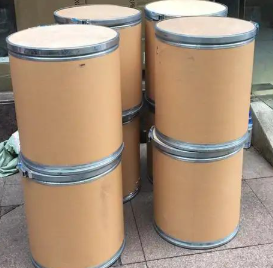
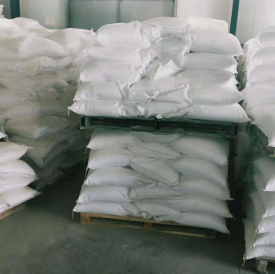
Fact Factory and Equipment Show