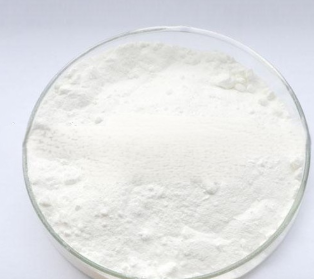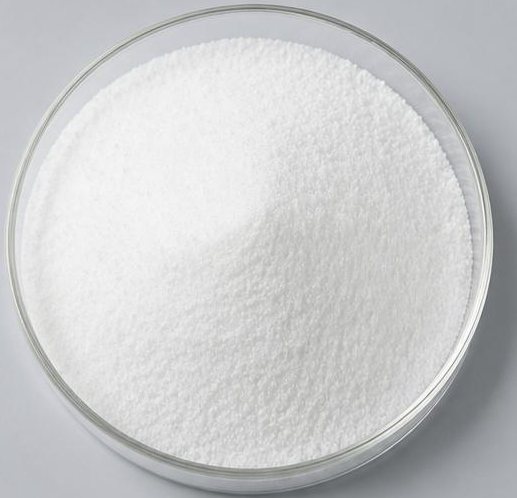
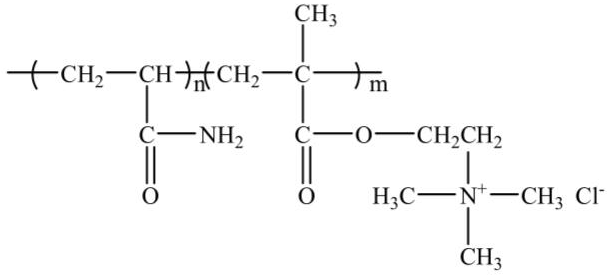
Polyacrylamide dry powder,cationic #CAS9003-05-8
CAS Number:9003-05-8
Chemical Formula:(C3H5NO)x
Synonyms:
Cationic PAM
Cationic Polyacrylamide Flocculant
Cationic Acrylamide Copolymer
Appearance:White to faintly yellow
MOQ (Minimum Order Quantity): 1 FCL (Full Container Load)
Polyacrylamide dry powder,cationic #CAS9003-05-8
Cationic polyacrylamide is a water-soluble high-molecular weight copolymer formed by copolymerization of acrylamide and cationic monomers. It is insoluble in most common organic solvents such as ethanol, acetone and benzene. Its aqueous solution shows high viscosity and exhibits good stability within neutral to weakly alkaline pH range. Under strong acidic conditions, high temperature or intense mechanical shearing, the molecular chains are prone to breakage and degradation, resulting in decreased viscosity and weakened flocculation capacity. The molecular backbone carries a large number of cationic groups, which can generate strong charge neutralization and adsorption bridging effects on negatively charged colloids and suspended solids. It is non-volatile, chemically stable under normal sealed storage, and will not decompose easily at room temperature. Long-term exposure to strong oxidants may trigger oxidative degradation and reduce product efficiency. It does not react violently with water, and its dissolution rate is affected by stirring speed, water temperature and feeding method.
Applicaion of Polyacrylamide dry powder,cationic
Cationic polyacrylamide is a high-performance cationic polymeric flocculant, extensively adopted for solid-liquid separation across multiple industrial sectors. Its positively charged molecular chains can neutralize the negative surface charge of colloidal particles, suspended solids and organic matter rapidly, breaking the stable dispersion state of fine particles and forming large, dense and fast-settling flocs through adsorption bridging and net trapping effects. It is the preferred chemical for sludge dewatering in municipal sewage treatment plants, and performs well on sludge generated from textile printing and dyeing, leather, food and beverage, slaughterhouse, pharmaceutical, paper and chemical industries. After conditioning with this product, sludge can be efficiently dewatered by belt filter press, centrifugal dehydrator and plate-and-frame filter press, significantly lowering the moisture content of sludge cake, reducing sludge volume and cutting the transportation and subsequent disposal cost. Apart from sludge dewatering, it serves as retention and drainage aid in papermaking process, helping retain fine cellulose fibers, fillers and pigments, improving paper formation, enhancing paper strength and reducing white water turbidity. In mineral processing, it is used for settlement and clarification of tailing slurry, accelerating the precipitation of fine mineral particles and recycling clean water. In petroleum industry, it acts as clay stabilizer, profile control agent and temporary water shutoff agent to prevent clay swelling and migration in oil reservoirs. It is also suitable for clarification treatment of high-organic wastewater, livestock breeding wastewater and landfill leachate, removing suspended substances, COD and chroma effectively. In sugar industry, it clarifies sugarcane and beet juice to improve the purity of sugar syrup. It can be applied in soil consolidation and sand fixation for environmental protection projects. Compared with inorganic flocculants, it requires much lower dosage and produces less sludge residue, which brings obvious economic and environmental benefits. It can be matched with anionic and non-ionic polyacrylamide as well as inorganic coagulants such as PAC and ferric salt to achieve optimized treatment results for complex water quality.
Fact Factory and Equipment Show