
Flocculant
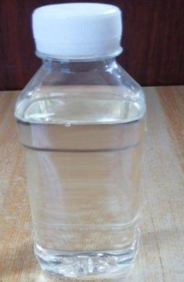
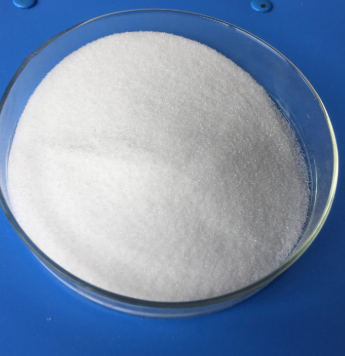
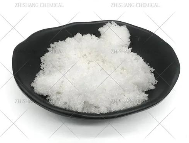
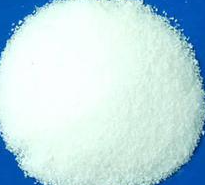
This blended solid flocculant is a composite water-treatment chemical, generally composed of polymeric flocculating components, coagulant aids and dispersion additives. It absorbs water and dissolves slowly under stirring in water, and the aqueous solution shows weak positive or negative charge depending on its formula. It can destabilize colloidal pollutants in water through charge neutralization, adsorption bridging and net capture effects, accelerating the formation of large and compact flocs. It has stable performance under normal dry storage. It tolerates a moderate range of pH in water, but extremely strong acid or strong alkali will weaken its flocculation capacity. It is hygroscopic; long-term exposure to humid air will cause caking and reduce activity. It is non-flammable and non-explosive at room temperature. It has good compatibility with most common water treatment agents such as scale inhibitors and defoamers. Its effective components will degrade if heated continuously at high temperature for a long time.
Applicaion of Flocculant
This blended solid flocculant is a multi-functional composite water treatment chemical, formulated with polymeric active substances, coagulation aids and functional modifiers. After being dissolved and dispersed in water under stirring, its charged functional groups can neutralize the surface charge of colloidal particles, compress the electric double layer, and build adsorption bridges between micro-pollutants. Meanwhile, the net-sweeping capture effect helps trap fine suspended solids, oil droplets and organic colloid fragments, so as to form large, compact, fast-settling flocs. It is suitable for wastewater containing high turbidity, chroma, oil contaminants and dispersed organic impurities. It is widely applied in municipal sewage plants, textile desizing and dyeing wastewater lines, pulp & paper wastewater, mineral processing tailing water, electroplating wastewater, slaughter and food processing wastewater, chemical plant wastewater, as well as raw surface water purification and circulating cooling water clarification. It can effectively remove suspended solids, reduce water turbidity, lower COD, decolorize wastewater and assist sludge dewatering. It shows stable flocculation performance within a common raw water pH window. Under the recommended dosage, it will not cause secondary pollution and will not interfere with the function of non‑oxidizing biocides and filter media. It must be dissolved slowly with continuous stirring to avoid fish-eye agglomeration. Dry powder should be stored away from moisture because moisture absorption will lead to caking and uneven dissolution. It is compatible with aluminium polychloride, ferric salts and other inorganic coagulants for combined coagulation-flocculation treatment. Compared with single-component polyacrylamide, this compound formula has stronger anti-interference capacity for fluctuating water quality, higher tolerance to salinity and temperature variation, and produces flocs with better shear resistance. It is not suitable for systems with strict requirements on residual organic content unless field tests are carried out in advance.
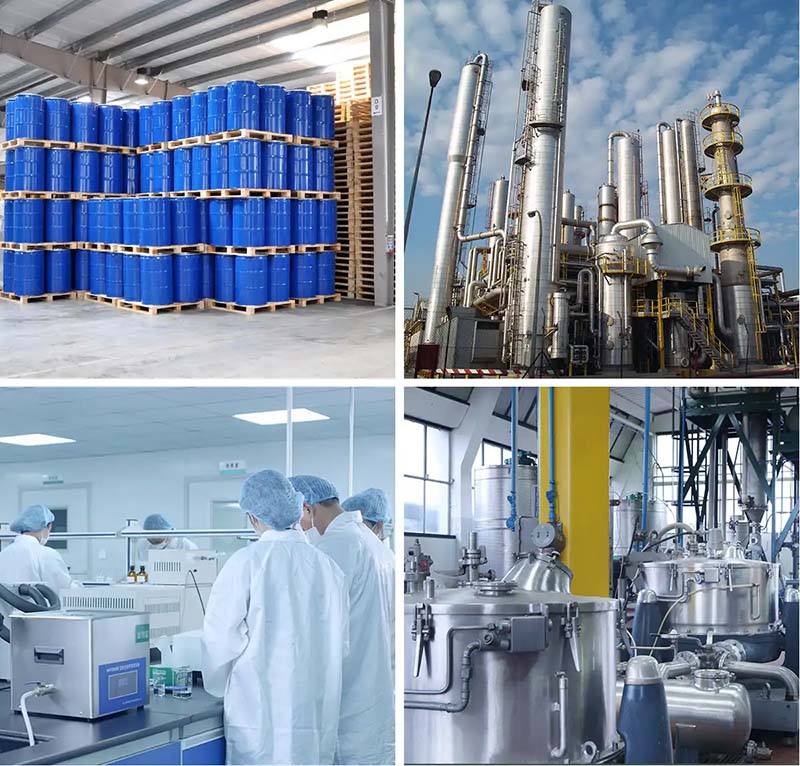
Fact Factory and Equipment Show