Vitamin A #CAS11103-57-4
CAS Number:11103-57-4
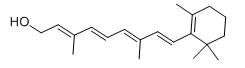
Chemical Formula:C20H30O
Synonyms:
Aquasol A
ROIDEX
Vitamin A Retinol
Appearance:Yellow crystals or orange solid. Practically water insoluble.
MOQ (Minimum Order Quantity): 1 FCL (Full Container Load)
Vitamin A #CAS11103-57-4
Retinol acetate: pale-yellow crystals (mp: about 60 °C). Once melted retinol acetate tends to yield a supercooled melt. Retinol propionate: reddish-brown oily liquid. Retinol palmitate: a fat-like, light yellow solid or a yellow oily liquid, if melted (mp: about 26 °C).Vitamin A is unstable under high temperature, strong light and ultraviolet irradiation, and it is easy to be oxidized and inactivated when exposed to air. It is soluble in fat, ether and chloroform, slightly soluble in ethanol, and insoluble in water and glycerol. It shows good stability in anhydrous oil and fat under sealed and dark storage conditions. It is sensitive to strong acids and oxidants. Contact with metal ions such as iron and copper will accelerate its oxidative decomposition. It has good compatibility with most neutral feed raw materials, but it should be avoided to be mixed with strong oxidizing substances and acidic additives for a long time. It is non‑combustible and non‑explosive. It needs to be stored in a cool, dry and dark place, sealed away from air.
Application of Vitamin A
vitamin A can act as a keratinization regulator, helping to improve the skin’s texture, firmness, and smoothness. Vitamin A esters, once in the skin, convert to retinoic acid and provide anti-aging benefits. Vitamin A is believed to be essential for the generation and function of skin cells. Continued vitamin A deficiency shows a degeneration of dermal tissue, and the skin becomes thick and dry. Surface application of vitamin A helps prevent skin dryness and scaliness, keeping the skin healthy, clear, and infection resistant. Its skin regeneration properties appear enhanced when combined with vitamin e. Vitamin A is a major constituent of such oils as cod liver and shark, and many fish and vegetable oils. See also retinol; retinoic acid; retinylpalmitate.
Vitamin A is used in the treatment of known or suspected vitamin A deficiency. Of course, vaccination is of prime importance; however, in underdeveloped countries where the rate of vaccination is low, vitamin A supplementation is a beneficial alternative.Retinoate analogs have been developed for use in the treatment of dermatological conditions such as psoriasis and acne.
Vitamin A is an essential fat‑soluble vitamin for livestock, poultry and aquatic animals. It plays a vital role in maintaining normal vision, especially dark adaptation. It supports the integrity of epithelial tissues such as skin, mucous membranes of respiratory tract, digestive tract and reproductive tract, reducing the risk of mucosal infection and respiratory diseases. It promotes bone growth, tooth development and skeletal mineralization in young animals, and helps prevent growth retardation and skeletal deformity. It can enhance the immune function of animals, improve the resistance against bacteria and viruses, and reduce the mortality rate of young stock. For breeding animals, it improves reproductive performance, increases conception rate, reduces abortion and stillbirth, and improves the quality of semen and egg fertility. For laying hens, it helps maintain stable egg production and improves egg quality. For aquatic animals, it protects mucosal barriers and promotes normal growth. It is widely added into compound feed, premix and concentrated feed. It can also be used as a nutritional fortifier in food and health‑care products for human beings. In cosmetic industry, it can be used as an anti‑ageing functional ingredient.
| Vitamin A Chemical Properties |
| storage temp. | -20°C |
| solubility | All retinol esters are practically insoluble in water, soluble or partly soluble in anhydrous ethanol and miscible with organic solvents. Vitamin A and its esters are very sensitive to the action of air, oxidising agents, acids, light and heat. Carry out the assay and all tests as rapidly as possible, avoiding exposure to actinic light and air, oxidising agents, oxidation catalysts (e.g. copper , iron), acids and heat; use freshly prepared solutions. |
| Cosmetics Ingredients Functions | SKIN CONDITIONING - MISCELLANEOUS |
| InChI | InChI=1S/C20H30O/c1-16(8-6-9-17(2)13-15-21)11-12-19-18(3)10-7-14-20(19,4)5/h6,8-9,11-13,21H,7,10,14-15H2,1-5H3/b9-6+,12-11+,16-8+,17-13+ |
| InChIKey | FPIPGXGPPPQFEQ-OVSJKPMPSA-N |
| SMILES | C1(/C=C/C(/C)=C/C=C/C(/C)=C/CO)=C(C)CCCC1(C)C |
| EPA Substance Registry System | Vitamin A (11103-57-4) |
| Safety Information |
| Hazard Codes | T |
| Risk Statements | 61 |
| Safety Statements | 53-45 |
| TSCA | TSCA listed |
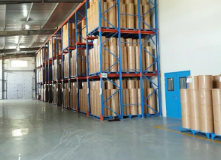
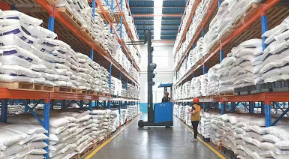
Fact Factory and Equipment Show