Poly(vinyl alcohol) #CAS9002-89-5
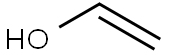
Polyvinyl alcohol (PVA) is a water‑soluble polymer produced by the hydrolysis of polyvinyl acetate. A large number of hydroxyl groups are distributed on its molecular chain, which endows it with strong hydrophilicity and chemical reactivity. It is soluble in hot water; low‑alcoholysis grades can dissolve gradually even in cold water, while it is almost insoluble in acetone, ether, hydrocarbon oils and most non‑polar organic solvents. It is stable under neutral and mild pH conditions and tolerates weak acids and weak alkalis. Its hydroxyl groups can undergo characteristic reactions of alcohols, including esterification, etherification and acetalization, to form modified derivatives. Strong acids and strong alkalis at high temperature will trigger hydrolysis and breakage of the polymer backbone, leading to degradation of molecular weight and decline of solution viscosity. It has excellent oil resistance and solvent resistance, and will not be corroded easily by greases and oily substances. It is non‑oxidizing and non‑reducing under normal temperature. It is non‑flammable at room temperature; when heated above 200 °C in air, it will gradually decompose and carbonize, and burn completely to produce carbon dioxide and water vapor. It has low volatility. Its aqueous solution can form a continuous, tough, transparent film after drying. Its compatibility with many water‑soluble additives, starch and cellulose derivatives is good. It is hygroscopic, and its moisture absorption capacity is closely related to ambient humidity and the alcoholysis degree of the product.
Applicaion of
It is mainly used in the textile industry, as the raw materials of warp pulp, fabric finishing agent, vinylon fiber; interior and exterior wall paint of the building, adhesives; chemical industry use it as a polymerization emulsifier, dispersant and polyvinyl formal, acetal, butyrate aldehyde resin; paper industry use it as a paper binder; agriculture use it as soil improvers, pesticide adhesion synergist and polyvinyl alcohol film; it can also be used for daily cosmetics and high-frequency quenching agent and so on.
In the plastics industry in molding Compounds, surface coatings, films resistant to gasoline, textile sizes and finishing compositions; can be compounded to yield elastomers to be used in manufacture of artificial sponges, fuel hoses, etc., also in printing inks for plastics and glass, in pharmaceutical finishing, cosmetics, water-sol film and sheeting. Pharmaceutic aid (viscosity increasing agent); ophthalmic lubricant.NaA zeolite particles have been dispersed in a poly(vinyl alcohol) matrix to prepare a mixed-matrix membrane to study the pervaporative separation of water-butanol mixtures. Poly (vinyl alcohol)/gelatin based biocompatible polymeric scaffolds have been used to design for 3D cancer models.
Mowiol 40-88 can be used for a variety of applications such as drug delivery, surface enhanced Raman spectroscopy (SERS) fiber-optic sensors, and transparent conducting oxides (TCOs).
| Poly(vinyl alcohol) Chemical Properties |
| Melting point | >300 °C |
| Boiling point | -14.5°C (rough estimate) |
| bulk density | 400-670kg/m3 |
| density | 1.080 g/cm3 |
| Tg | 73 |
| Tg | 99 |
| Tg | 99°C |
| refractive index | 1.3810 (estimate) |
| Fp | 79°C |
| storage temp. | Store below +30°C. |
| solubility | H2O: soluble (hot) |
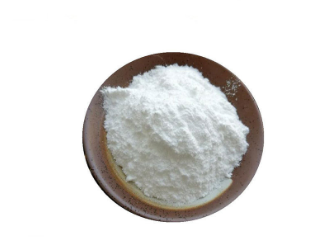
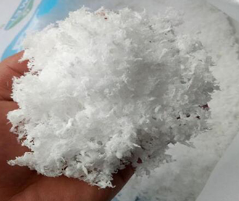
| form | Powder |
| color | White to cream |
| PH | 3.5-7.0 (40g/l, H2O, 20℃) |
| Odor | at 100.00%. odorless |
| Water Solubility | soluble in hot water |
| Merck | 14,7585 |
| Dielectric constant | 1.9(Ambient) |
| Stability: | Stable. Combustible. Dust may form explosive mixtures with air. Incompatible with strong oxidizing agents. |
| Cosmetics Ingredients Functions | FILM FORMING VISCOSITY CONTROLLING |
| InChI | 1S/C2H4O/c1-2-3/h2-3H,1H2 |
| InChIKey | IMROMDMJAWUWLK-UHFFFAOYSA-N |
| IARC | 3 (Vol. 19, Sup 7) 1987 |
| NIST Chemistry Reference | Polyvinyl alcohol(9002-89-5) |
| EPA Substance Registry System | Polyvinyl alcohol (9002-89-5) |
| Safety Information |
| Hazard Codes | Xn |
| Risk Statements | 23/24/25-36/38-39/23/24/25-68/20/21/22-20/21/22 |
| Safety Statements | 26-36/37-45-24/25 |
| WGK Germany | 1 |
| RTECS | TR8100000 |
| Autoignition Temperature | 450 °C |
| TSCA | TSCA listed |
| HS Code | 39053000 |
| Storage Class | 11 - Combustible Solids |
| Hazardous Substances Data | 9002-89-5(Hazardous Substances Data) |
| Toxicity | LD50 orally in Rabbit: > 20000 mg/kg |
Fact Factory and Equipment Show