4-Morpholineethanesulfonic acid #CAS4432-31-9
CAS Number:4432-31-9
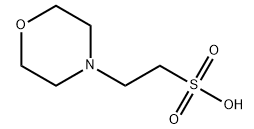
Chemical Formula:C6H13NO4S
Synonyms:
MES 2-Morpholinoethanesulfonic acid
FLJ20345
HUMNDME
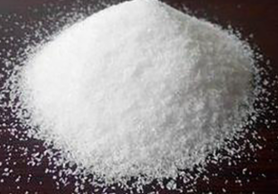
Appearance:White/clear crystalline powder
MOQ (Minimum Order Quantity): 1 FCL (Full Container Load)
4-Morpholineethanesulfonic acid #CAS4432-31-9
Sodium fatty acid methyl ester sulfonate (MES) is a renewable anionic surfactant with sulfonate groups and ester groups in its molecular structure. It exhibits excellent chemical stability within a wide pH range of neutral to weak alkaline conditions, and has outstanding tolerance to calcium and magnesium ions in hard water, far superior to soap and LAS; it can maintain stable surface activity without forming insoluble precipitates in high‑hardness water. It features good compatibility with non‑ionic surfactants, amphoteric surfactants and other anionic surfactants, and can be freely compounded in various detergent systems. It possesses remarkable surface activity, capable of effectively lowering the surface tension of water, and delivers excellent detergency, wetting, emulsification, dispersion and moderate foaming performance. It has favorable biodegradability, low ecological toxicity and mild irritation to human skin. Under strong alkaline conditions and high temperature for a long time, the ester bond in the molecule will gradually hydrolyze to generate disodium salt, which will reduce its surface performance; it remains stable under normal storage and application temperature, and is not prone to decomposition, while it is hygroscopic and easy to absorb moisture when exposed to open air.
Applicaion of 4-Morpholineethanesulfonic acid
Sodium fatty acid methyl ester sulfonate (MES) is a green anionic surfactant produced from natural fatty acid methyl esters of plant origin, featuring outstanding hard water resistance, high detergency, low irritation and excellent biodegradability. It is one of the core active raw materials for modern eco‑friendly detergent formulations. In household cleaning, it is widely incorporated into high‑grade laundry powder, liquid laundry detergent, concentrated laundry capsules, hand dishwashing detergent, automatic dishwashing agent, bathroom cleaner and multi‑purpose hard‑surface cleaner. It performs remarkably well against sebum, protein dirt and particulate mineral soil, and can exert stable cleaning power in high‑hardness water without generating insoluble soap scum, which greatly reduces the addition amount of sodium tripolyphosphate and other phosphate builders, helping to formulate phosphorus‑free and low‑phosphorus environmental protection detergents. When compounded with non‑ionic surfactants such as AEO and fatty alcohol ether sulfate, it can produce obvious synergistic effects, improve oil removal capacity and control foam height flexibly to meet the requirements of different cleaning scenarios. It is commonly used to modify soap noodles and transparent soap bars, effectively solving the defect that traditional soap is easy to precipitate and lose cleaning effect in hard water, improving the solubility and rinsing performance of soap products. In the textile printing and dyeing sector, it serves as a multi‑functional auxiliary agent for cotton, linen, regenerated cellulose fibers and blended fabrics, applied in desizing, scouring, bleaching and soaping processes; it can rapidly wet and penetrate fiber structures, remove spinning oil, wax and impurities, reduce residual floating color after dyeing, and improve the color fastness of textiles. It is also used as an emulsifier, dispersant and wetting agent in pesticide formulations, suitable for suspension concentrates, water dispersible granules and aqueous emulsions to enhance the spread and adhesion of active ingredients on crop leaves. In industrial fields, it can be used in metal low‑alkali degreasing agents, circulation pipeline cleaning agents, leather degreasing auxiliaries, mineral flotation collectors and oilfield chemical additives for oil displacement and water blocking adjustment. Benefiting from its mild properties and low skin irritation, it can also be added to body wash, hand sanitizer and other personal care products in a proper proportion. Compared with LAS, it has superior biodegradability and less impact on the water environment, so it has become a mainstream alternative surfactant in the global daily chemical industry.
| 4-Morpholineethanesulfonic acid Chemical Properties |
| Melting point | >300 °C(lit.) |
| Boiling point | 102°C |
| density | 1.208 (estimate) |
| refractive index | 1.5500 (estimate) |
| storage temp. | 2-8°C |
| solubility | H2O: 0.5 M at 20 °C, clear |
| form | Powder |
| pka | pKa at 0.1M ionic: 0°, 6.38; 20°, 6.15; 37°, 5.98; pKa1 1.99; pKa2 6.21; pKa/°C -0.011 |
| color | White |
| PH | 2.5-4.0 (25℃ in neat) |
| PH Range | 5.5 - 6.7 |
| Water Solubility | 185.2g/L at 20℃ |
| λmax | λ: 260 nm Amax: 0.01 λ: 280 nm Amax: 0.01 |
| Merck | 13,5929 |
| BRN | 6350956 |
| Stability: | Stable. Incompatible with strong oxidizing agents. |
| Major Application | clinical research diagnostic assay manufacturing life science and biopharma ( ) metabolomics ( ) |
| InChI | 1S/C6H13NO4S/c8-12(9,10)6-3-7-1-4-11-5-2-7/h2-6H2,(H,8,9,10) |
| InChIKey | SXGZJKUKBWWHRA-UHFFFAOYSA-N |
| SMILES | OS(=O)(=O)CCN1CCOCC1 |
| LogP | -2.2 at 20℃ |
| CAS DataBase Reference | 4432-31-9(CAS DataBase Reference) |
| EPA Substance Registry System | 4-Morpholineethanesulfonic acid (4432-31-9) |
| Safety Information |
| Hazard Codes | Xi |
| Risk Statements | 36/37/38 |
| Safety Statements | 26-36-24/25-22 |
| WGK Germany | 1 |
| RTECS | QE9104530 |
| TSCA | TSCA listed |
| HS Code | 2934999090 |
| Storage Class | 11 - Combustible Solids |
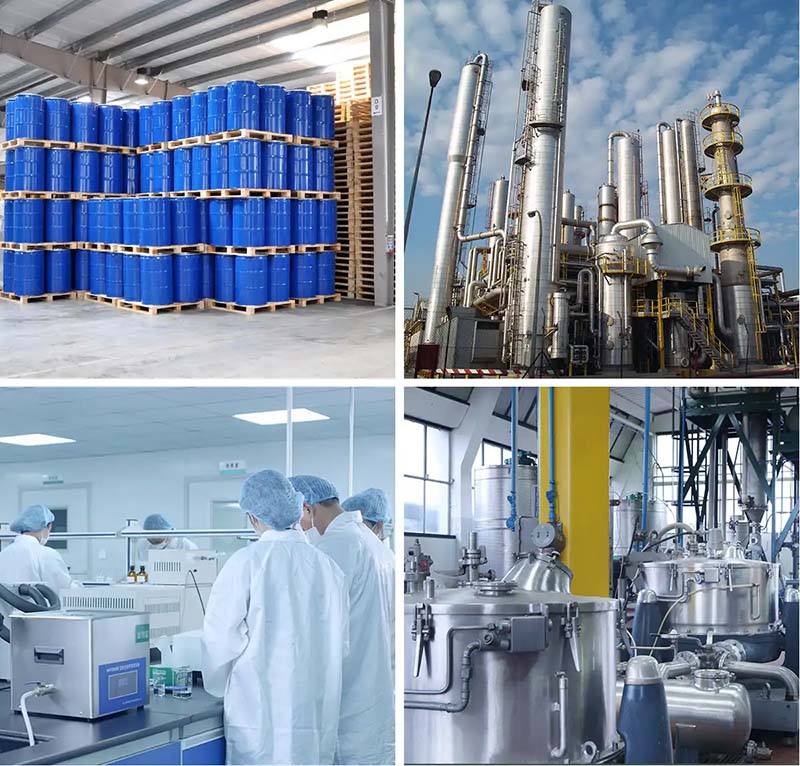
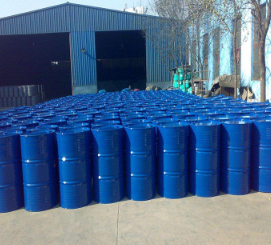
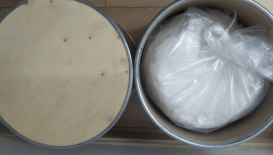
Fact Factory and Equipment Show