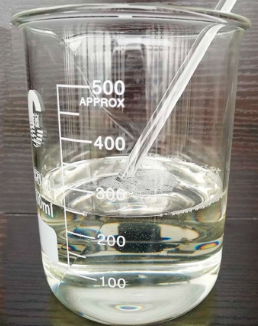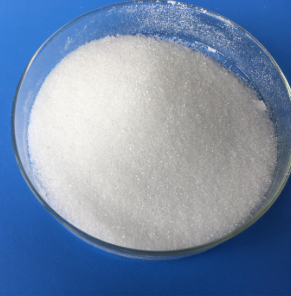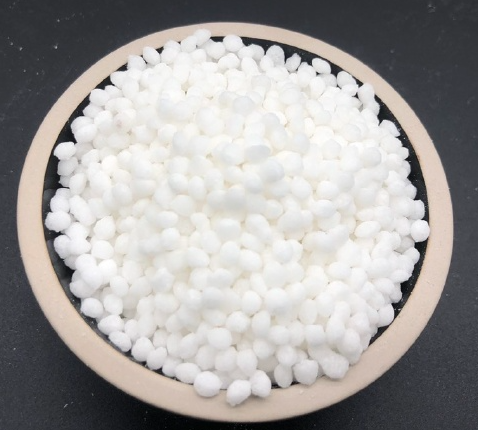
Magnesium sulfate fertilizer #CAS10034-99-8
CAS Number:10034-99-8
Chemical Formula:MgSO₄・7H₂O
Synonyms:
Fertilizer Grade Magnesium Sulphate
Magnesium Sulphate Fertilizer
Epsom Salt Fertilizer
Appearance:White crystalline powder or granule, odourless
MOQ (Minimum Order Quantity): 1 FCL (Full Container Load)
Magnesium sulfate fertilizer #CAS10034-99-8
Magnesium sulphate heptahydrate is chemically stable under normal temperature and pressure. It tends to effloresce gradually when exposed to dry air. It is readily soluble in water, slightly soluble in ethanol, and insoluble in most organic solvents. Upon heating, it loses crystal water step by step: it becomes monohydrate at about 150°C and converts to anhydrous magnesium sulphate above 200°C. It shows weak acidity in aqueous solution. It does not react with oxidizing agents or reducing agents under common storage conditions, but it may form precipitates when mixed with strong alkaline substances such as caustic soda. It is non-flammable and non-explosive.
Application of Magnesium sulfate fertilizer
As a high-efficiency magnesium and sulphur fertilizer, magnesium sulphate heptahydrate plays an irreplaceable role in modern agriculture. Magnesium constitutes the central atom of chlorophyll molecules, which is essential for photosynthesis. Adequate magnesium supply accelerates the synthesis of carbohydrates, proteins, vitamins and plant enzymes, enhances nutrient absorption and metabolism of crops, improves stress resistance against drought, high temperature and disease, and effectively relieves typical magnesium-deficiency symptoms including interveinal chlorosis, leaf curling, premature senescence and fruit dropping. It is ideal for chlorine-sensitive cash crops such as tea, citrus, grape, banana, berry, tobacco, vegetables, peanuts and potatoes. It is flexible for multiple application methods: it can be applied as basal fertilizer mixed into soil, used as top dressing, added to drip irrigation and fertigation systems, or formulated into foliar fertilizer for quick nutrient supplementation. It not only raises crop yield, but also upgrades commodity quality by increasing sugar content, improving fruit colour, enhancing flavour and extending the shelf life of harvests. Besides agricultural fertilization, it is an important raw material for feed additives to supply magnesium for cattle, sheep, poultry and aquatic animals, supporting bone development and normal nerve and muscle function of livestock and aquaculture species. In industrial fields, it acts as a starting material for producing various magnesium compounds, a coagulant and mordant in textile printing and dyeing, a filler and bleaching auxiliary in paper manufacturing, a setting regulator and reinforcing agent for cement and gypsum building materials. It is also widely adopted in water treatment, leather tanning, mineral flotation, sewage purification and the production of fireproof materials. In addition, it can be used in cosmetics, bath salt products and laboratory chemical reagents.
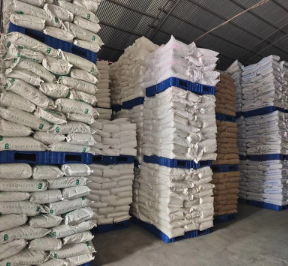
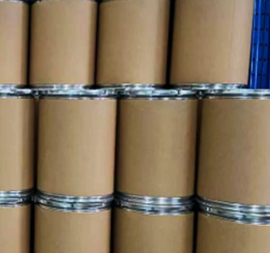
Fact Factory and Equipment Show