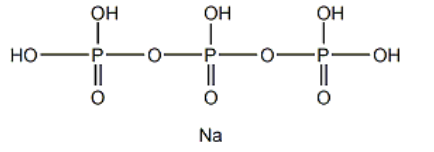
Sodium tripolyphosphate #CAS7758-29-4
CAS Number:7758-29-4
Chemical Formula:Na5O10P3
empiphosstp-d
natriumtripolyphosphat;polygon
freez-gardfp19
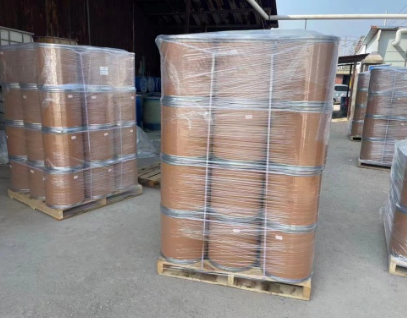
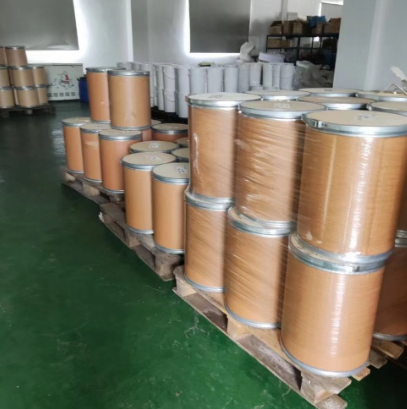
MOQ (Minimum Order Quantity): 1 FCL (Full Container Load)
Sodium tripolyphosphate #CAS7758-29-4
Sodium tripolyphosphate is a kind of excellent detergent additives, the largest amount of detergent in the production process is set, its role has four aspects:
1. the effect of heavy metal ion chelate: heavy metal ions in the process of washing water, can combine detergent molecules to form insoluble metal salt,reduce the washing ability, even complete loss of function. Therefore, it is necessary to add chelating agent, which can make water containing heavy metal ions into harmless substancesin the detergent. Sodium tripolyphosphate has strong chelation for heavy metal ions, sealing them and eliminating the adverse effects on the washing. In addition, it can capture dirt contained various metals in washing process, playing the role of dissociation of dirt, used as soap synergist and preventing bar soap grease precipitation and bloom.
2. The dirt on his gum, emulsifying and dispersing effect: Dirt often contain body fluids (mainly protein and fat like substances), also contains the sand from the outside world, dust etc.. Sodium tripolyphosphate has the expansion, solubilization on dirt protein, and the effect of the glue solution; emulsification of fat promotes; has dispersing effect on solid dirt, strong emulsification of lubricating oil and fat, can be used to adjust the pH value of buffer liquid soap.
3. prevent caking of detergent: Synthetic detergent powder is hygroscopic, such as stored in high humidity areas, it is necessary to caking phenomenon. Using detergent agglomerates is inconvenient. While the water absorption of sodium tripolyphosphate formed the hexahydrate, with characteristics of dry. When there is extensive use of detergent formulations, it can serve to prevent caking phenomenon caused by moisture absorption, keeping dry granular of the synthetic detergent.
4. It has a larger buffer alkaline washing solution, pH value is maintained at about 9.4, which is conducive to the removal of acidic dirt.
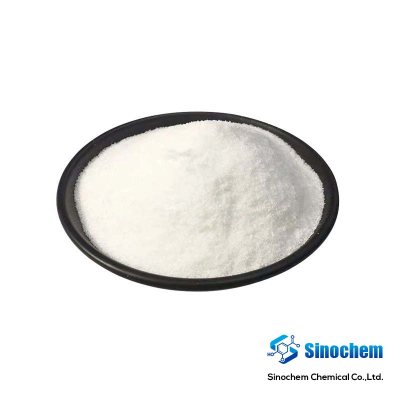
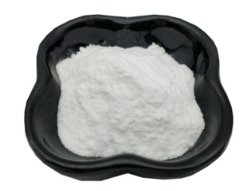
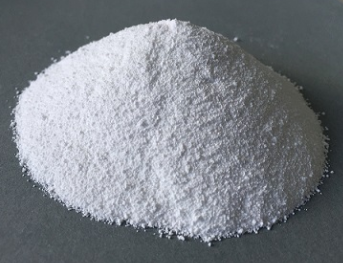
Sodium tripolyphosphate (STPP) is a white powder, soluble in water, its water solution is alkaline. It is a crystalline inorganic salt that can exist in two anhydrous crystalline forms (phase I and phase II) or a hydrous form (Na5P3O10 . 6H2O). STPP is used in a large variety of household cleaning products, mainly as a builder, but also in human foodstuffs, animal feeds, industrial cleaning processes and ceramics manufacture.
Applicaion of Inositol
Sodium tripolyphosphate is used for meat processing, synthetic detergent formulations, textile dyeing, also used as dispersing agent, solvent etc.
2. It is used as soft water, also used in confectionery industry.
3. It is used as power stations, locomotive vehicle, boiler and a fertilizer plant cooling water treatment, water softener. It has strong ability to Ca2+ collaterals, per 100g to complex 19.5g calcium , and because SHMP chelation and adsorption dispersion destroyed the normal process of calcium phosphate crystal growth, it prevents the formation of calcium phosphate scale. Dosage is 0.5 mg/L, prevent that scaling rate is up to 95%~100%.
4. Modifier; emulsifier; buffer; chelating agent; stabilizer. Mainly for canned ham tenderization; canned broad beans in the Yuba softening. Can also be used as soft water, pH regulator and thickening agent.
5. It is used for synergist for soap and preventing bar soap grease precipitation and bloom. It has strong emulsification of lubricating oil and fat. It can be used for adjusting the value of pH of buffer liquid soap. Industrial water softener. Pre tanning agent. Dyeing auxiliaries. Paint, kaolin, magnesium oxide, calcium carbonate, such as industrial in the preparation of suspensions of dispersant. Drilling mud dispersant. In paper industry used as anti oil agents.
6. Sodium tripolyphosphate is used for detergents. As additives, synergist for soap and preventing bar soap crystallization and bloom, industrial water soft water, pre tanning agent, dyeing auxiliaries, well digging mud control agent, paper with oil on preventing agent, paint, kaolin, magnesium oxide, calcium carbonate, such as hanging floating fluid treatment effective dispersant. Food grade sodium tripolyphosphate as a variety of meat products, food improver, the clarification of the beverage additives.
7. Quality improver to improve food complexed metal ions, pH value, increasing ionic strength, thereby improving food focus and water holding capacity. Provision of China can be used for dairy products, fish products, poultry products, ice cream and instant noodles, maximum dose is 5.0g/kg; in canned, maximum use juice (taste) beverages and vegetable protein beverage is 1.0g/kg.
Sodium tripolyphosphate is a binder, stabilizer, and sequestrant that is mildly alkaline, with a pH of 10, and moderately soluble in water, with a solubility of 15g in 100ml of water at 25°C. It is used to improve the whipping properties of egg-containing angel food cake mix and meringues. It reduces gelling of juices and canned ham and tenderizes canned peas and lima beans. It is a moisture binder in cured pork and protects against discoloration and reduces shrinkage in sausage products. In algin desserts, it functions as a calcium sequestrant. Sodium tripolyphosphate is also termed pentasodium tripolyphosphate and sodium triphosphate.
Sodium tripolyphosphate is used in water softening, heavy-duty fabric washing, automatic dish washing, drilling fluid cleaning and liquid cattle feed supplements. It is also used as a peptizing, emulsifying, dispersing agent and as a hydrogen peroxide solution stabilizer. It acts as a preservative for seafood, meats, poultry, and animal feeds. It finds application as a polyanion crosslinker in polysaccharide based drug delivery. Further, it is used as a sealant for leaking farm ponds and a calcium and magnesium chelating agent. In addition to this, it is used in ceramics, leather tanning, flame retardants, paper pulping, paper coatings, textile processing, ore flotation, anticorrosion pigments and rubber production.
| Sodium tripolyphosphate Chemical Properties |
| Melting point | 622 °C |
| density | 2.52 g/cm3 (20℃) |
| bulk density | 1000kg/m3 |
| vapor pressure | <0.1 hPa (20 °C) |
| refractive index | 1.658 |
| storage temp. | Storage temperature: no restrictions. |
| solubility | H2O: may be clear to slightly hazy |
| form | Powder/Solid |
| color | White |
| Odor | Odorless |
| PH Range | 9.5 - 10.3 at 1 g/l at 20 °C |
| PH | 9.0-10.0 (25℃, 1% in H2O) |
| Water Solubility | 20 g/100 mL (20 ºC) |
| Sensitive | Hygroscopic |
| Merck | 14,8697 |
| Stability: | Stable. Incompatible with strong oxidizing agents, strong acids. Hygroscopic. |
| Cosmetics Ingredients Functions | CHELATING BUFFERING |
| InChI | 1S/5Na.H5O10P3/c;;;;;1-11(2,3)9-13(7,8)10-12(4,5)6/h;;;;;(H,7,8)(H2,1,2,3)(H2,4,5,6)/q5*+1;/p-5 |
| InChIKey | HWGNBUXHKFFFIH-UHFFFAOYSA-I |
| SMILES | [Na+].[Na+].[Na+].[Na+].[Na+].[O-]P([O-])(=O)OP([O-])(=O)OP([O-])([O-])=O |
| LogP | -4.691 (est) |
| CAS DataBase Reference | 7758-29-4(CAS DataBase Reference) |
| EPA Substance Registry System | Sodium tripolyphosphate (7758-29-4) |
| Safety Information |
| Hazard Codes | Xi |
| Risk Statements | 36/37/38 |
| Safety Statements | 26-36-24/25 |
| WGK Germany | 1 |
| RTECS | YK4570000 |
| F | 3 |
| TSCA | TSCA listed |
| HS Code | 2835311000 |
| Storage Class | 11 - Combustible Solids |
| Hazardous Substances Data | 7758-29-4(Hazardous Substances Data) |
| Toxicity | LD50 orally in rats: 6.50 g/kg (Smyth) |
ring plane of hydroxyl, it has a total of nine kinds of isomers, including 7 of non-optically active form, two kinds of optically active (L-form and D-form). In nature, it is widely distributed in all living tissues as either free or bound state, and is a common component presented in animal and plant cells. It can be synthesized by gastrointestinal microbes, being involved in carbohydrate and lipid metabolism in the body. It is mainly presented in the form of phosphatidylinositol in animal. It is most abundant in brain, heart and skeletal muscle. It is mainly in the form inositol phosphate in plants, and can bind with calcium, zinc and iron into insoluble compounds, which interfere with their digestion and absorption. Lack of inositol in daily diet can cause hair loss, and negatively affect development. Inositol is related to the intracellular calcium metabolism where its triphosphate derivative can be released from lipid conjugate after cell is stimulated, thus playing a role of secondary messenger. This process can mobilize the intracellular calcium pool to participate in regulation of many cellular events, e.g. secretion, metabolism, cell division, and light transmission.
Inositol is often clinically used together with vitamin B complex, which can prevent or reduce the deposition of excess fat in the liver, and thus promoting the liver fat metabolism. This has a effect on reducing blood lipids, and removing the infiltration effect of the liver cells’ fat. It can be used for treatment of fatty liver, alcohol liver disease, atherosclerosis, high blood cholesterol, diabetes, alopecia, hyperlipidemia and so on. Its derivatives, such as phosphatidylinositol is one of the components of the cell membrane. Phytate (phytic acid) or phytin (phytin) often accumulated in seeds of higher plants. Phytic acid extracted from rice bran or bran can be used as food antioxidants, stabilizers and preservatives.
Since the vast majority of animals and their gastrointestinal microbes can synthesize enough inositol, and food is abundant of inositol, so there are rare cases of inositol deficiency. Many kinds of fish and female gerbils cannot synthesize inositol (The testis tissue of male gerbil can synthesize inositol). Dietary phthaloyl Sulfathiazole can inhibit bacterial synthesis of inositol , which leads to rats’ deficiency of inositol, as follows: the content of free inositol in rat testis, liver, heart, kidney and plasma reduces; Hair loss and dermatitis happens; The content of triglycerides, cholesterol esters in liver increases; Both the size and number of lipid droplets increased significantly; There are also occurrence of fatty liver which can be healed by taking inositol; Moreover, the transport capacity of intestinal mucosal cell for the saturated fat cells decreases , and there is accumulation of intestinal fat. The performance of inositol deficiency for fish is as below: fins degeneration, edema, anemia, decreased gastric emptying rate, and decreased activity of cholinesterase and some transaminase.
The above information is edited by the Chemicalbook of Dai Xiongfeng.
Applicaion of Inositol
1. As food supplements, has a similar effect to vitamin B1. It can be used for infant foods and used in an amount of 210~250mg/kg; Used in drinking in an amount of 25~30mg/kg.
2. Inositol is an indispensible vitamin for lipid metabolism in the body. It can promote the absorption of hypolipidemic medicines and vitamins. Moreover, it can promote the cell growth and fat metabolism in liver and other tissues. It can be used for the adjuvant treatment of fatty liver, high cholesterol. It is widely used in food and feed additives, and is often added to fish, shrimp and livestock feed. The amount is 350-500mg/kg.
3. The product is one kind of the complex vitamin B, which can promote cell metabolism, improve the cell nutrient conditions, and can contribute to development, increase appetite, to recuperate. Moreover, it can prevent the accumulation of fat in the liver, and accelerate the process of removing excess fat in heart. It has a similar lipid-chemotactic action as choline, and therefore useful in the treatment of hepatic fatty excessive disease and cirrhosis of the liver disease. According to the "food fortifier use of health standards (1993)" (Issued by the Ministry of Health of China), it can be used for infant food and fortified beverages at an amount of 380-790mg/kg. It is a vitamin class medicines and lipid-lowering drug which promote the fat metabolism of liver and other tissues, and be useful for the adjuvant treatment of fatty liver and high cholesterol. It is widely used in additives of food and beverage.
4. Inositol is widely used in pharmaceutical, chemical, food, etc. It has a good effect on treating diseases such as liver cirrhosis. It can also used for advanced cosmetic raw materials, with high economic value.
5. It can be used as a biochemical reagent and also for the pharmaceutical and organic synthesis; It can lower the level cholesterol and have sedative effect.
| Inositol Chemical Properties |
| Melting point | 222-227 °C (lit.) |
| Boiling point | 232.96°C (rough estimate) |
| density | 1.75 |
| vapor density | 6.2 (vs air) |
| refractive index | 1.6170 (estimate) |
| storage temp. | 2-8°C |
| solubility | H2O: 0.5 M at 20 °C, clear, colorless |
| pka | 12.63±0.70(Predicted) |
| form | Crystalline Powder |
| color | White |
| PH | 5-7 (100g/l, H2O, 20℃) |
| Odor | odorless |
| Water Solubility | 14 g/100 mL (25 ºC) |
| Merck | 14,4978 |
| BRN | 1907328 |
| Stability: | Stable. Combustible. Incompatible with strong oxidizing agents. |
| Major Application | agriculture life science and biopharma metabolomics sample preparation sample preparation vitamins, nutraceuticals, and natural products |
| Cosmetics Ingredients Functions | HUMECTANT HAIR CONDITIONING ANTISTATIC |
| Cosmetic Ingredient Review (CIR) | Inositol (87-89-8) |
| InChI | 1S/C6H12O6/c7-1-2(8)4(10)6(12)5(11)3(1)9/h2-12H/t1-,2-,3-,4+,5-,6- |
| InChIKey | CDAISMWEOUEBRE-GPIVLXJGSA-N |
| SMILES | O[C@H]1[C@H](O)[C@H](O)[C@H](O)[C@@H](O)[C@@H]1O |
| LogP | -2.08 |
| CAS DataBase Reference | 87-89-8(CAS DataBase Reference) |
| NIST Chemistry Reference | Hexahydroxycyclohexane(87-89-8) |
| EPA Substance Registry System | myo-Inositol (87-89-8) |
| Safety Information |
| Safety Statements | 22-24/25 |
| WGK Germany | 2 |
| RTECS | NM7520800 |
| TSCA | TSCA listed |
| HS Code | 2906132000 |
| Storage Class | 11 - Combustible Solids |