Ammonium chloride CAS#12125‑02‑9
CAS Number:12125‑02‑9
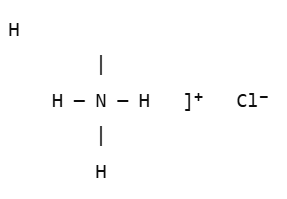
Chemical Formula:NH₄Cl
Synonyms:
Sal ammoniac
Ammonium muriate
NH₄Cl
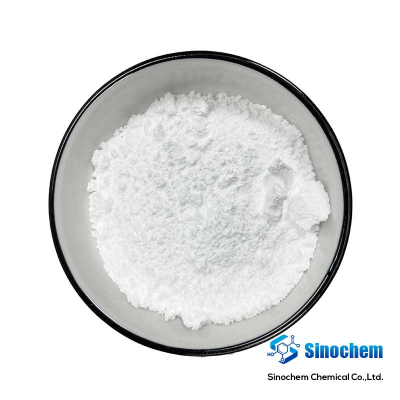
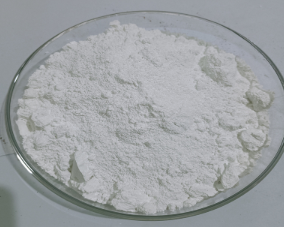
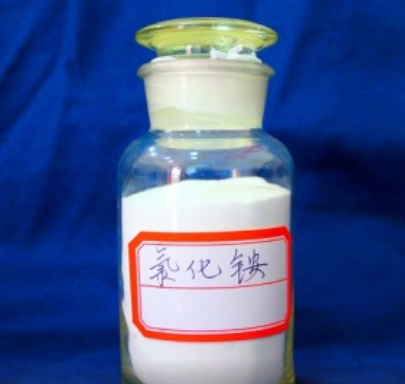
Appearance:Pure white or colourless transparent crystal
MOQ (Minimum Order Quantity): 1 FCL (Full Container Load)
Ammonium chloride CAS#12125‑02‑9
Ammonium chloride is the ammonium salt of hydrochloric acid — a white, odourless, slightly hygroscopic crystalline solid, freely soluble in water to give a mildly acidic solution. It is a high-volume commodity chemical used chiefly in fertilizers, metalwork fluxes, dry-cell batteries and as food additive E510.
NH₄Cl is an ionic solid with no discrete molecules — the formula unit is a 1:1 pair of ammonium cations and chloride anions.
Ionic bond between NH₄⁺ and Cl⁻ (electrostatic lattice).
Polar covalent N–H bonds inside the ammonium ion; one of the four originated as a dative (coordinate) bond from the nitrogen lone pair to a proton, but all four become indistinguishable once formed.
Crystal lattice: cubic, CsCl-type at ambient conditions — each NH₄⁺ is 8-coordinate, surrounded by eight Cl⁻ at the corners of a cube. Undergoes λ-type order–disorder transitions: ordered β-phase below −30.4 °C, disordered α-phase between −30.4 °C and 184.5 °C, and above 184.5 °C it flips to the NaCl-type (rock-salt) γ-phase.
N–H bond length ≈ 1.03 Å, H–N–H angle 109.5° (ideal tetrahedral, Td).
Key reactions
Reversible dissociation on heating (this is why it "sublimes", not a true sublimation):
NH₄Cl ⇌ NH₃↑ + HCl↑ — the two gases recombine on cold surfaces as a white smoke of fine NH₄Cl particles.With strong base (liberates ammonia — the classic lab test):
NH₄Cl + NaOH → NH₃↑ + NaCl + H₂OWith strong acid: releases HCl gas.
With silver salts: forms silver chloride precipitate; with silver compounds under some conditions, shock-sensitive explosives.
Incompatible / violent: ammonium nitrate, potassium chlorate, bromine trifluoride, bromine pentafluoride, iodine heptafluoride, hydrogen cyanide (forms explosive nitrogen trichloride), strong oxidizers, strong alkalis and their carbonates, lead and silver salts.
Ammonium chloride NH4Cl (also called sal ammoniac) is a colourless crystal or white granular powder that dissolves easily in water.It is odourless and has a salty and bitter taste. It sublimes on heating to form ammonia and hydrogen chloride (gas). It is commonly used in the baked goods industry, as a functional salt and as a dough improver for yeasts.It gives the dough good elasticity,extensibility, and machinability, producing breads with good quality characteristics in terms of volume,colour, aroma, texture,and elasticity.Ammonium chloride is considered safe in small amounts. The Us Food and Drug Administration (FDA) granted ammonium hydroxide status as a GRAS, or Generally Recognized as Safe, substance in 1974 and it is also recognised as a food additive in the EU.
Application of Ammonium chloride
Ammonium chloride is mainly used for dry batteries, storage batteries, ammonium salts, tanning, plating, medicine, photography, electrodes, adhesives, etc. Ammonium chloride is also an available nitrogen chemical fertilizer whose nitrogen content is 24% to 25%. It is a physiological acidic fertilizer and suitable for wheat, rice, corn, rapeseed and other crops. It have the effects of enhancing fiber toughness and tension and improving quality especially for cotton and linen crops. However, due to the nature of ammonium chloride, if the application is not right, it will bring some adverse effects to soil and crops.
Technical conditions: the implementation of the People's Republic of China national standard GB-2946-82.
1. Appearance: white crystal
2. ammonium chloride content (dry basis) ≥ 99.3%
3. moisture content ≤1.0%
4. sodium chloride content (dry basis) ≤0.2%
5. iron content ≤0.001%
6. heavy metal content (in terms of Pb) ≤0.0005%
7. water insoluble content ≤0.02%
8. sulfate content (in terms of SO42-) ≤0.02%
9. pH: 4.2-5.8
Ammonium Chloride is a dough conditioner and yeast food that exists as colorless crystals or white crystalline powder. approximately 30–38 g dissolves in water at 25°c. the ph of a 1% solution at 25°c is 5.2. it is used as a dough strengthener and flavor enhancer in baked goods and as a nitrogen source for yeast fermentation. it is also used in condiments and relishes. another term for the salt is ammonium muriate.
| Ammonium chloride Chemical Properties |
| Melting point | 340 °C (subl.) (lit.) |
| Boiling point | 100 °C750 mm Hg |
| density | 1.52 |
| bulk density | 600-900kg/m3 |
| vapor density | 1.9 (vs air) |
| vapor pressure | 1 mm Hg ( 160.4 °C) |
| refractive index | 1.642 |
| FEMA | 4494 | AMMONIA (ALSO INCLUDES AMMONIUM CHLORIDE) |
| storage temp. | Store at +5°C to +30°C. |
| solubility | H2O: 1 M at 20 °C, clear, colorless |
| form | Solid |
| pka | 9.25[at 20 ℃] |
| Specific Gravity | 1.53 |
| color | White |
| PH | 4.7 (200g/l, H2O, 25℃)(External MSDS) |
| Odor | odorless |
| Odor Type | ammoniacal |
| Water Solubility | soluble |
| Thermal Conductivity | 2.51 W/(m·K) |
| Specific Heat Capacity | Cp(crystal): 1.57 J/(g·K), at 25℃ |
| λmax | λ: 260 nm Amax: ≤0.021 λ: 280 nm Amax: ≤0.019 |
| Sensitive | Hygroscopic |
| Merck | 14,509 |
| BRN | 4371014 |
| Exposure limits | PC-TWA:10 mg/m3; PC-STEL:20 mg/m3 |
| Dielectric constant | 7(0.0℃) |
| Stability: | Stable. Incompatible with strong acids, strong bases. |
| Cosmetics Ingredients Functions | BUFFERING VISCOSITY CONTROLLING FRAGRANCE |
| InChI | 1S/ClH.H3N/h1H;1H3 |
| InChIKey | NLXLAEXVIDQMFP-UHFFFAOYSA-N |
| SMILES | N.Cl |
| CAS DataBase Reference | 12125-02-9(CAS DataBase Reference) |
| NIST Chemistry Reference | Ammonium chloride(12125-02-9) |
| EPA Substance Registry System | Ammonium chloride (12125-02-9) |
| Safety Information |
| Hazard Codes | Xn |
| Risk Statements | 22-36-41-37/38 |
| Safety Statements | 22-36-26 |
| RIDADR | UN 3077 9 / PGIII |
| OEB | B |
| OEL | TWA: 10 mg/m3, STEL: 20 mg/m3 |
| WGK Germany | 1 |
| RTECS | BP4550000 |
| Autoignition Temperature | >400 °C |
| TSCA | TSCA listed |
| HazardClass | 9 |
| PackingGroup | III |
| HS Code | 28271000 |
| Storage Class | 13 - Non Combustible Solids |
| Hazard Classifications | Acute Tox. 4 Oral Eye Irrit. 2 |
| Hazardous Substances Data | 12125-02-9(Hazardous Substances Data) |
| Toxicity | LD50 in rats (mg/kg): 30 i.m. (Boyd, Seymour); LD50 in rats (mg/kg): 1650 orally (Smeets) |
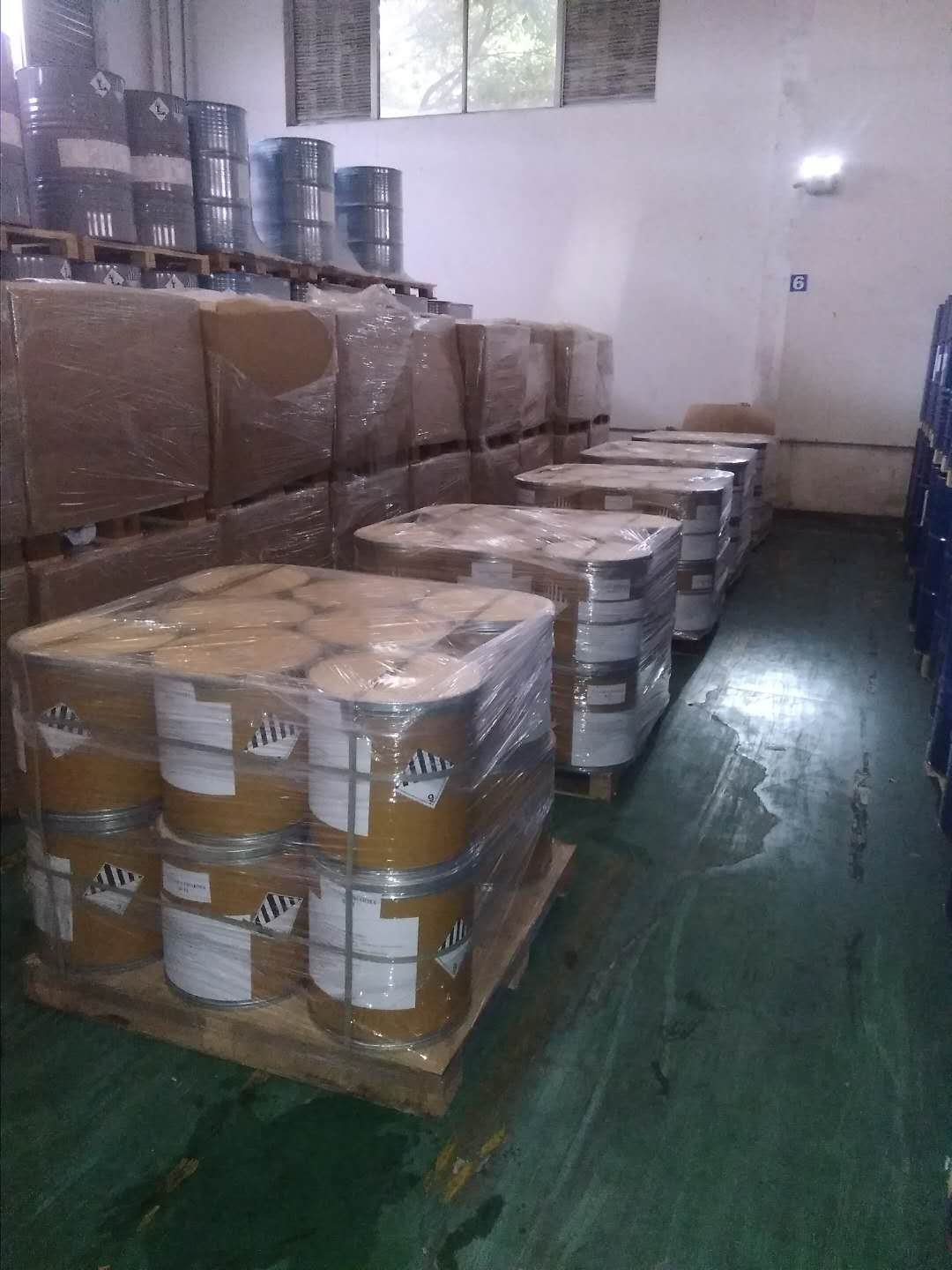
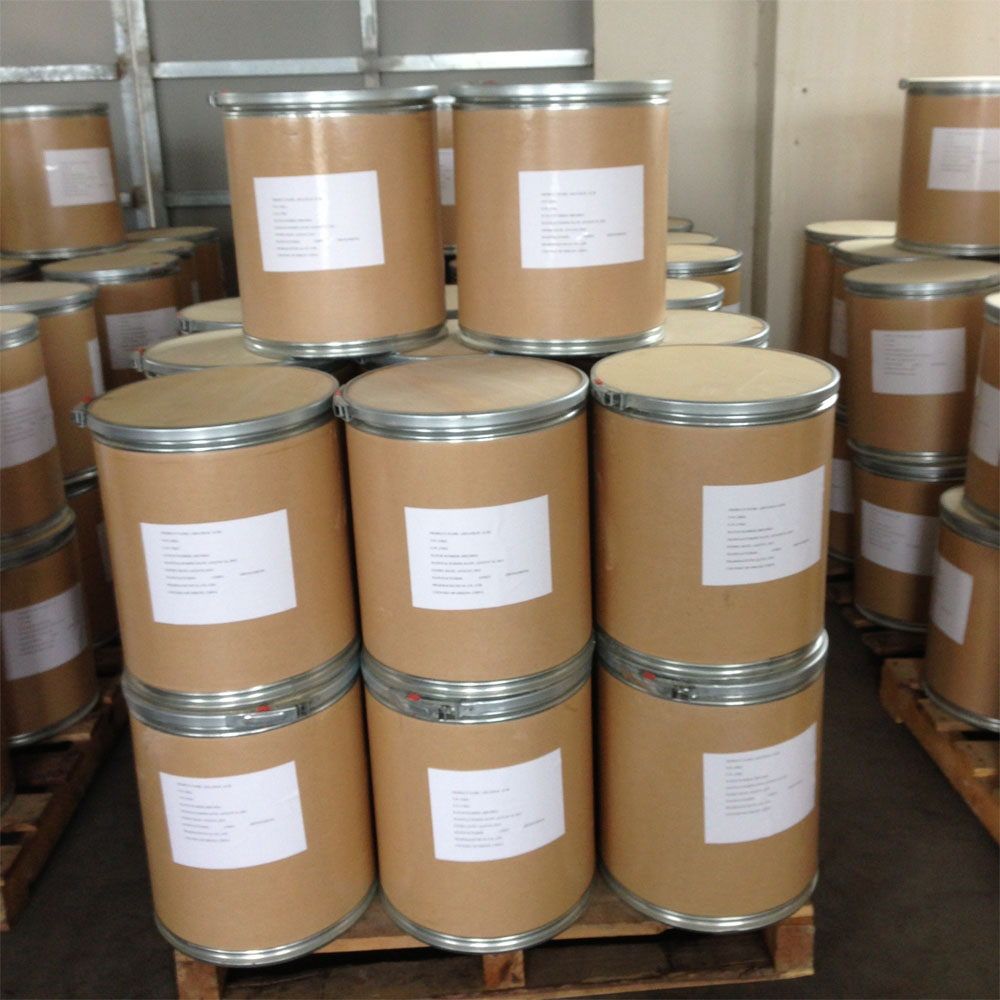
Fact Factory and Equipment Show