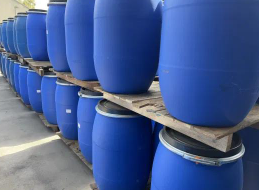
Textile Fixing Agent
Synonyms:
Color‑fixing agent
Dye fixing agent
Color fixation agent
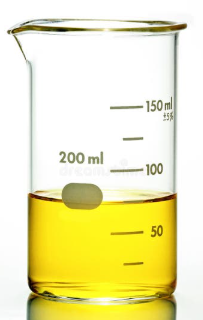
Appearance:Light‑yellow to yellow‑brown transparent liquid
MOQ (Minimum Order Quantity): 1 FCL (Full Container Load)
Textile Fixing Agent
This textile fixing agent is a water‑soluble cationic polyamine polymer compound. It dissolves rapidly in water without agglomeration. Its 1% aqueous solution shows weak acidity with a pH value of 4.0‑6.0. It maintains stable performance in hard‑water and dilute acid environments, but will produce insoluble flocculent precipitate once directly mixed with anionic substances such as anionic dyes and anionic auxiliaries. It does not contain free formaldehyde, APEO and NPEO harmful substances. It can be used compatibly with cationic and non‑ionic textile auxiliaries. No hydrolysis or decomposition occurs under normal storage conditions. It will not deteriorate, delaminate or precipitate within the temperature range of ‑5℃ to 40℃. Long‑term high‑temperature storage above 45℃ may cause viscosity increase and slight color deepening. Avoid freezing. After freezing and thawing, the product performance may be affected. The recommended shelf‑life is 12‑18 months in sealed original packaging.
Applicaion of Textile Fixing Agent
This formaldehyde‑free cationic textile fixing agent is primarily designed for fixation finishing of cotton, viscose, lyocell, modal and their blended fabrics dyed with reactive dyes or direct dyes. It effectively locks unfixed dye molecules on fiber surfaces through ionic bonding and cross‑linking film‑forming reaction. It can greatly enhance washing fastness, perspiration fastness, wet‑rubbing fastness, water‑spot resistance and chlorine‑bleaching resistance of dyed and printed textiles. It causes negligible change to fabric original shade, brilliance and soft hand feel, and meets OEKO‑TEX Standard 100 and EU textile environmental regulations. It is widely suitable for multiple end‑products including baby clothing, children’s wear, undergarments, bedding home textiles, curtain decorative fabrics, towel products and export‑grade textile goods. It adapts to two mainstream production techniques: exhaust dipping for batch‑type dyeing machines and padding for continuous finishing lines. The practical dosage depends on fabric base material, color depth and target fastness requirement; deeper colors and heavy‑shade prints normally demand higher dosage. Complete soaping and rinsing shall be carried out prior to fixing treatment to eliminate floating dyes remaining on fabric surface, otherwise the expected fastness improvement cannot be achieved. This product is incompatible with anionic auxiliaries, so fabrics pre‑treated with anionic softeners, leveling agents or other anionic finishing chemicals are not suitable for this agent. For mixed‑fiber fabrics, preliminary lab trials are essential to evaluate practical effect. It is not recommended for fabrics dyed with acid dyes or disperse dyes. Operators must conduct small‑scale sample test before full‑scale mass production to verify process conditions, color change and fastness performance so as to avoid batch quality risks.
Fact Factory and Equipment Show