Plastic color concentrate
Synonyms:
Pigment concentrate
Colour concentrate
Colour pellet compound
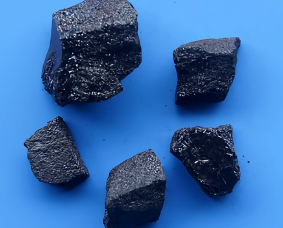
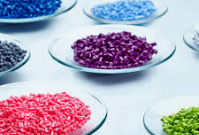
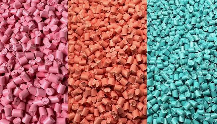
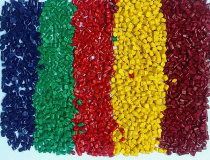
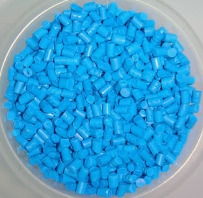
Appearance:Uniform cylindrical or spherical pellets, available in various colours, free‑flowing and odourless.
MOQ (Minimum Order Quantity): 1 FCL (Full Container Load)
Plastic color concentrate
Plastic colour masterbatch is a compound mixture composed of carrier resin, pigment or dye, dispersant and other additives. It is generally stable under normal temperature and dry conditions. It is insoluble in water; its solubility mainly depends on the selected pigment and carrier resin. It possesses good chemical inertness and does not react with most plastic raw materials under conventional processing conditions. It can withstand the normal melting and moulding temperature of plastics without obvious decomposition or colour fading. It is sensitive to strong oxidants, strong acids and high heat exceeding its tolerance range. Long‑term exposure to intense ultraviolet light may cause colour fading of some pigment varieties. It has good compatibility with polyolefin, ABS, PVC and other plastic substrates, as well as common processing auxiliaries. It is non‑flammable but will burn when exposed to sustained open flame. It should be stored in a cool, dry and dark environment to avoid moisture absorption and colour change.
Application of Plastic color concentrate
Colour masterbatch is a concentrated colouring composite material specially developed for the thermoplastics processing industry. It is produced by high‑speed mixing, twin‑screw extrusion and pelletising, with pigments or organic dyes uniformly dispersed at high loading within molten carrier resin, together with matched dispersants, lubricants and other functional processing aids. When added to polyethylene, polypropylene, PVC, ABS, PET, polyamide and other thermoplastic matrices at a low addition ratio, it can deliver consistent and uniform colouration throughout the whole plastic compound. Compared with direct feeding of powder pigments, it effectively eliminates flying dust, reduces pigment waste, simplifies on‑site colour weighing and mixing procedures, stabilises colour shade and colour difference between batches, improves the cleanliness of the workshop and protects operators from direct contact with fine pigment powder. It is widely used for plastic injection parts, blown films, plastic pipes, sheets, extruded profiles, wire and cable outer jackets, blow‑moulded containers, plastic packaging, non‑woven fabrics and recycled plastic products. Beyond the basic colouring function, selected pigment systems can endow plastic products with ultraviolet shielding, light resistance and certain anti‑ageing properties. It maintains good dispersion stability during plastic dynamic processing such as extrusion, injection and calendering, and will not cause streaking, specks or colour agglomeration in finished plastic goods. It has excellent compatibility with most thermoplastic resins, plasticisers, antioxidants, light stabilisers, fillers and other plastic additives. A wide range of colour options including black, white and custom matched colours are available for different application scenarios. Special functional masterbatches with anti‑static, anti‑blocking, flame‑retardant or anti‑UV properties can also be formulated on request. It should be clearly noted that ordinary industrial colour masterbatch does not meet the strict purity and migration standards for food contact, drinking water, medical and baby products; dedicated food‑grade masterbatch with full certification must be selected for such sensitive applications.
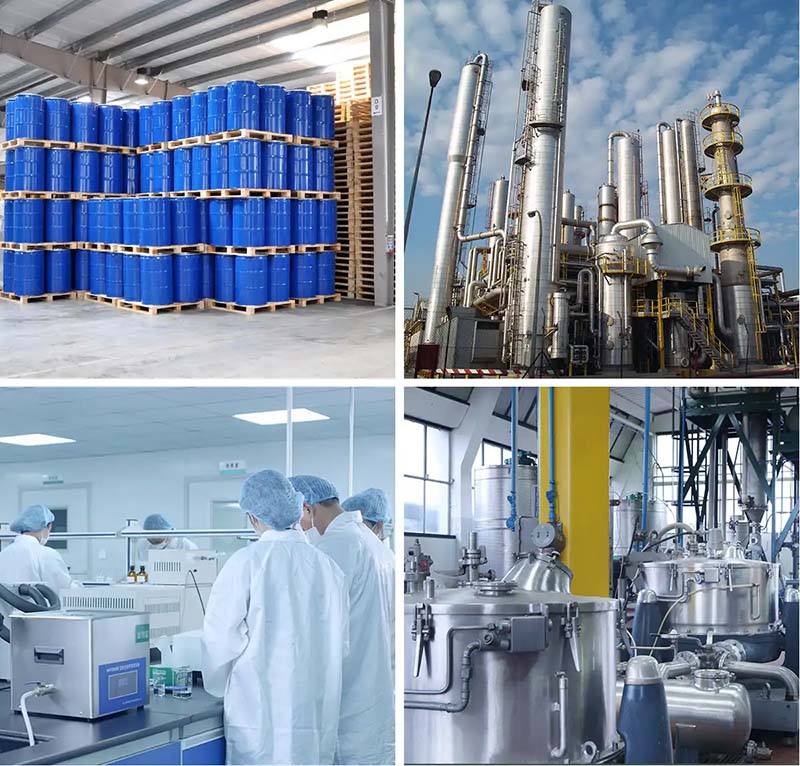
Fact Factory and Equipment Show