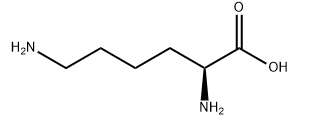
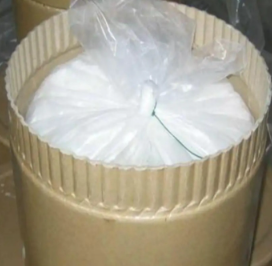
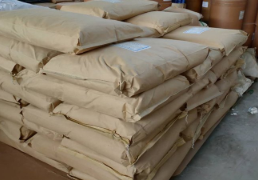
L-Lysine #CAS56-87-1
CAS Number:56-87-1
Chemical Formula:C6H14N2O2
Synonyms:
Arginine Impurity 1(Arginine EP Impurity A)(Lysine)
Arginine EP Impurity A
L-Lysine≥ 99% (Titration)
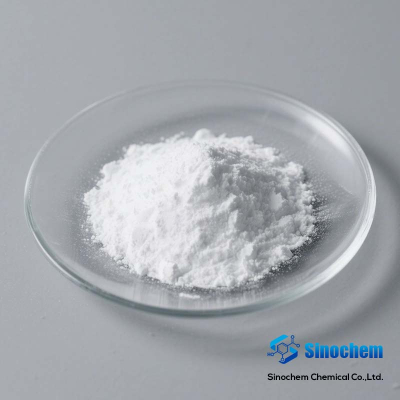
Appearance:White to light yellow
MOQ (Minimum Order Quantity): 1 FCL (Full Container Load)
L-Lysine #CAS56-87-1
L-Lysine is an essential amino acid (a protein building block) that cannot be produced by the body from other nutri ents. It helps ensure adequate absorption of calcium and the formation of collagen for bone, cartilage and connective tissue. This compound is odorlessIt is stable under normal temperature and pressure. It is easily soluble in water, slightly soluble in ethanol, and insoluble in ether. Its aqueous solution is weakly acidic. It will not volatilize under conventional storage conditions. When exposed to high temperature, strong acid or strong alkali environment for a long time, the amino group and carboxyl group will undergo chemical reactions, which will lead to the degradation of active lysine. It is prone to absorb moisture in humid air. It can be compatible with most neutral feed raw materials, mineral additives and vitamins. However, it may react with reducing sugars under high temperature conditions to form brown substances through Maillard reaction. It is non-flammable, non-explosive and has no obvious corrosiveness. It should be stored away from strong oxidants.
Application of L-Lysine
L-Lysine is an essential amino acid used in human nutrition. It plays a vital role in calcium absorption, building muscle protein and recovering from surgery or sports injuries. It is used for the treatment of herpes infections and cold sores. Its derivatives lysine acetylsalicylate is utilized to treat pain as well as to detoxify the body after heroin use. It is an important additive to animal feed. Further, it is used in many foods, especially red meats, fish and dairy products.Essential amino acid for human development. Lysine residues are useful in many cellular processes, due to their ability to accept a wide variety of post-translational modifications.lysine is a skin-conditioning amino acid.Lysine is one of the essential limiting amino acids for animals. It is widely used as a high-efficiency feed additive in livestock, poultry and aquaculture feed production. It can supplement the insufficient lysine content in conventional feed raw materials such as corn, wheat and sorghum, balance the amino acid composition of animal diets, improve protein utilization rate and reduce the waste of feed protein. It can promote the growth of piglets, broilers, beef cattle and sheep, accelerate weight gain, shorten the feeding cycle and improve carcass lean meat rate. For breeding animals, it can improve reproductive performance, increase the conception rate of sows and the birth weight of piglets, and reduce the loss of breeding stock. For laying hens, it helps maintain stable production performance and reduce the decline of egg production caused by amino acid deficiency. When added into aquatic feed for fish, shrimp and other aquatic animals, it promotes the growth of aquatic organisms, enhances their anti-stress and disease resistance, and improves the survival rate. It also participates in the synthesis of body proteins, enzymes and hormones, supports immune system development and improves animal health. It has good compatibility with most feed raw materials, mineral additives and vitamins. In food industry, it can be used as a nutritional fortifier to supplement essential amino acids for human body. In fine chemical industry, it can be used as raw material for biochemical reagents and biological culture medium.
| L-Lysine Chemical Properties |
| Melting point | 215 °C (dec.)(lit.) |
| alpha | D20 +14.6° (c = 6.5); D23 +25.9° (c = 2 in 6.0N HCl) |
| Boiling point | 265.81°C (rough estimate) |
| density | 1.1360 (rough estimate) |
| FEMA | 3847 | L-LYSINE |
| refractive index | 26 ° (C=2, 5mol/L HCl) |
| storage temp. | Keep in dark place,Inert atmosphere,Room temperature |
| solubility | H2O: 0.1 g/mL, clear, colorless |
| pka | 2.16(at 25℃) |
| form | Powder or Crystals |
| color | White to light yellow |
| Odor | odorless |
| PH | 9.74 |
| biological source | synthetic |
| Optical Rotation | [α]20/D +26.0±1.0°, c = 2% in 6 M HCl |
| Water Solubility | Soluble in water. Insoluble in ethanol, ethyl ether, acetone, benzene and common neutral solvent. |
| Merck | 14,5636 |
| JECFA Number | 1439 |
| BRN | 1722531 |
| Stability: | Stable. Incompatible with strong oxidizing agents. |
| Major Application | peptide synthesis |
| Cosmetics Ingredients Functions | HAIR CONDITIONING ANTISTATIC SKIN CONDITIONING |
| Cosmetic Ingredient Review (CIR) | L-Lysine (56-87-1) |
| InChI | 1S/C6H14N2O2/c7-4-2-1-3-5(8)6(9)10/h5H,1-4,7-8H2,(H,9,10)/t5-/m0/s1 |
| InChIKey | KDXKERNSBIXSRK-YFKPBYRVSA-N |
| SMILES | NCCCC[C@H](N)C(O)=O |
| LogP | -3.05 |
| CAS DataBase Reference | 56-87-1(CAS DataBase Reference) |
| NIST Chemistry Reference | Lysine(56-87-1) |
| EPA Substance Registry System | Lysine (56-87-1) |
| Safety Information |
| Hazard Codes | Xi |
| Safety Statements | 24/25 |
| WGK Germany | 3 |
| RTECS | OL5540000 |
| TSCA | TSCA listed |
| HS Code | 29224110 |
| Storage Class | 11 - Combustible Solids |
| Hazardous Substances Data | 56-87-1(Hazardous Substances Data) |
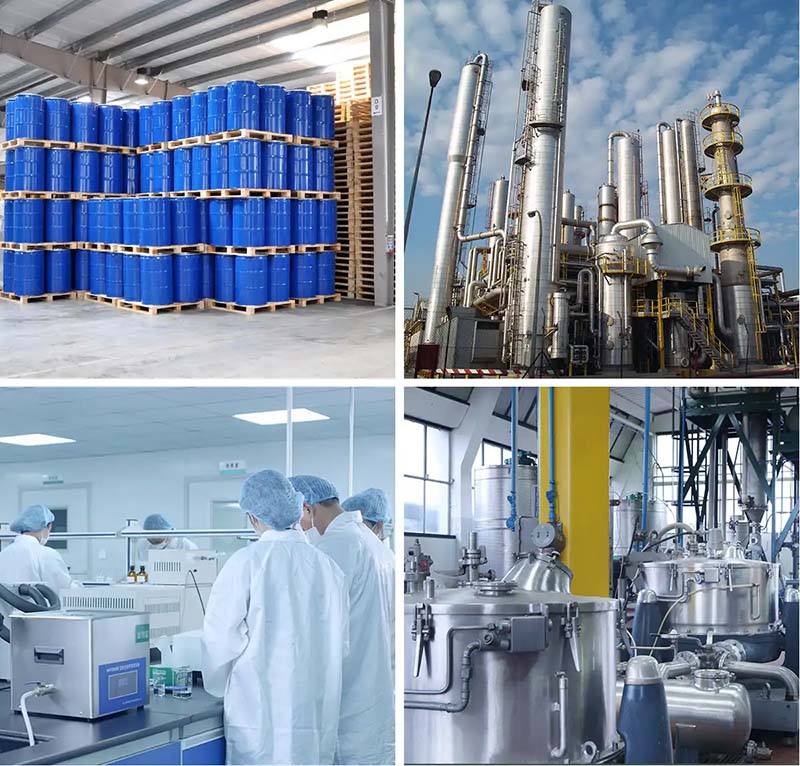
Fact Factory and Equipment Show