
Special activated carbon for water treatment
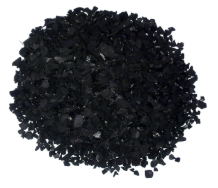
Activated carbon is a porous amorphous carbon material with a huge specific surface area and developed pore structure. It is chemically stable under normal temperature and neutral conditions, insoluble in water and most common organic solvents. It has strong physical adsorption capacity relying on its internal pore structure, and can adsorb organic molecules, pigment molecules, residual chlorine and other impurities through van der Waals force. It shows certain inertness to most chemical reagents at room temperature. It will not react with dilute acids and dilute alkalis under conventional conditions. However, it can react with strong oxidants such as concentrated nitric acid, concentrated sulfuric acid, potassium permanganate under heating conditions, which will oxidize the carbon skeleton and destroy its pore structure, resulting in the loss of adsorption performance. It can be combusted when encountering open fire, and will be oxidized into carbon dioxide at high temperature in aerobic environment. It has weak ion exchange property, and its adsorption capacity will be affected by temperature, pH value and the coexistence of competing substances in the solution. Its adsorption is a reversible process to some extent; high temperature, steam or changing solvent conditions can realize desorption and regeneration. It is not easy to decompose during storage, but it will continuously adsorb moisture, volatile organic substances and dust in the air, which will reduce its available adsorption capacity if stored for a long time without sealing.
Applicaion of Special activated carbon for water treatment
Activated carbon for water treatment is a widely used porous adsorption material. It relies on its well-developed micropore, mesopore and macropore structure and huge specific surface area to exert excellent adsorption effect. In tap water purification projects, it is mainly used to remove residual chlorine, disinfection by-products, peculiar smell, color, natural organic matter and trace pollutants in source water. It can effectively eliminate the earthy and musty taste caused by algae metabolites, improve the taste and sensory index of tap water, and is an essential filter medium in waterworks and household water purification equipment.
In industrial wastewater treatment, it can treat printing and dyeing wastewater, chemical wastewater, electroplating wastewater, food processing wastewater and landfill leachate. It can adsorb refractory organic pollutants, chromogenic substances, phenols, pesticides and trace heavy metal complexes that are difficult to degrade by biochemical process, reduce COD and chroma of effluent, help the wastewater reach discharge standards. It is often used in the advanced treatment section after biochemical treatment to polish the water quality.
For circulating water and aquaculture water treatment, it is applied to remove residual medicine, organic waste and ammonia nitrogen metabolites in water, reduce the content of toxic substances in water body, stabilize water quality, improve water transparency, reduce the risk of fish and shrimp disease, and create a suitable living environment for aquatic organisms.
In sewage treatment plants, it can be used for emergency treatment and deep purification. When the water quality fluctuates abnormally, adding activated carbon can quickly absorb sudden pollutants and avoid the risk of substandard effluent. It also has good performance in underground water remediation, adsorbing organic pollutants such as petroleum hydrocarbons and chlorinated hydrocarbons in polluted groundwater to restore groundwater quality.
Besides water treatment, it also has many extended applications. It can be used for air purification, solvent recovery, decolorization and impurity removal in food, beverage and pharmaceutical production. It is compatible with most water treatment agents and filter materials. It can be used alone or matched with coagulants, flocculants such as polyferric sulfate and polyacrylamide. According to different water quality requirements, granular activated carbon or powdered activated carbon can be selected. After adsorption saturation, it can be regenerated by high-temperature steam or thermal regeneration process to restore its adsorption capacity, which reduces the overall use cost. It is favored by water treatment industries for its stable adsorption effect, wide range of adsorbable pollutants and convenient operation.
Fact Factory and Equipment Show