
Chelating Agent
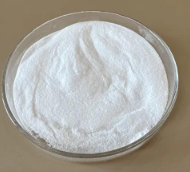
Chelating agents represent a large category of fine chemicals with coordination and complexing capacity, covering aminocarboxylic acids, hydroxycarboxylic acids, organic phosphonates, bio-based biodegradable chelants and other series. The physical and chemical properties vary among different types. Most chelating agents have good water solubility; some varieties are soluble in polar solvents such as low-carbon alcohols, while they are hardly soluble in non-polar hydrocarbon solvents. Their molecular structures contain multiple coordinating groups that can provide lone pair electrons, and coordinate with metal ions including calcium, magnesium, iron, copper, zinc and manganese to form stable cyclic chelates with low dissociation degree. The chelating effect is affected by system pH, temperature and coexisting ions, and each type of chelating agent has its suitable acid-base range. Most chelating agents enjoy good chemical stability and are not easy to hydrolyze under normal working conditions. Their high-temperature resistance differs by product type, and some eco-friendly chelants can be gradually biodegraded in the natural environment. Generally, they are weakly acidic, weakly alkaline or nearly neutral. They show good compatibility with most auxiliaries for water treatment, textile printing and dyeing and daily chemicals. However, long-term mixing with strong oxidants, high-concentration strong acids and strong bases should be avoided, otherwise the coordination structure will be destroyed and the chelating performance will be lost.
Applicaion of Chelating Agent
Chelating agents are a category of fine chemicals that can form stable, soluble cyclic chelates with various metal ions such as calcium, magnesium, iron, copper, zinc and manganese. They include multiple series including aminocarboxylic acids, phosphonates, hydroxycarboxylic acids and newly developed biodegradable chelants. Different types vary in chelating strength, applicable pH range, thermal stability and biodegradability, so they can be selected flexibly according to working conditions. These chemicals bind free metal ions in the system and restrain adverse reactions such as precipitation, catalytic oxidation, discoloration and decomposition triggered by metal ions, serving a wide range of industrial sectors. In water treatment, chelants complex hardness ions in water to soften water, inhibit the deposition of scale and rust on pipelines, heat exchangers and membrane elements, reduce the risk of equipment fouling and corrosion, improve heat exchange efficiency and cut the frequency of shutdown cleaning. In textile printing and dyeing, they shield metal impurities introduced from water, grey fabrics and additives, prevent metal ions from combining with dyes, avoid uneven color, spots and color shift, and guarantee uniform dyeing and good color fastness. In daily cleaning formulations, they act as stabilizers to block the catalytic activity of metal ions, slow down oxidative rancidity of fragrances, surfactants and oils, improve cleaning performance in hard water, and extend product shelf life. In agricultural fertilizers, chelating agents encapsulate trace elements including iron, zinc and manganese, reduce the fixation and precipitation of trace elements by phosphate and hydroxide ions in soil, improve the mobility of nutrients in soil, facilitate the uptake of trace elements by crops and relieve chlorosis caused by nutrient deficiency. In electroplating, they adjust the activity of metal ions in plating baths, buffer system fluctuations and stabilize bath formulas, so as to obtain flat, bright coatings with good adhesion and reduce defects such as pinholes and pits. In addition, chelating agents are widely used in papermaking bleaching, industrial cleaning, oilfield additives, food processing, pharmaceutical manufacturing, soil heavy metal remediation and other fields. They adapt to a wide range of temperature and pH conditions and have good compatibility with most anionic and non‑ionic additives. They continuously control metal ion interference in various production processes, ensure stable continuous production and improve the quality of finished products.
Fact Factory and Equipment Show